12 Hidden Gems in Seville You Won't Believe Exist

12 Geheimtipps in Sevilla, die du kennst

12 Hidden Gems in Seville You Won't Believe Exist

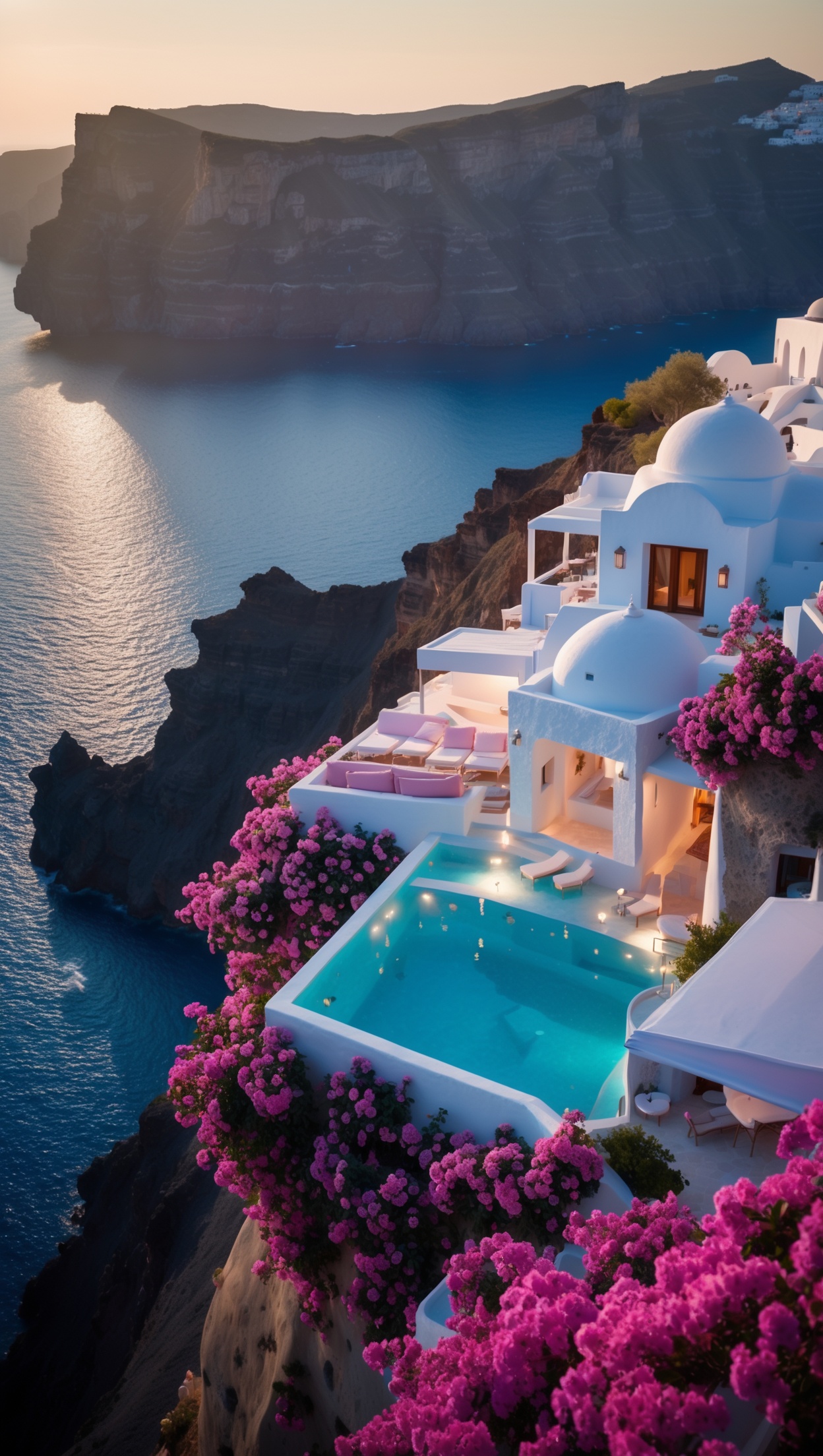
Image: AI-generated · Bild: KI-generiert

🇬🇧 English

12 Hidden Gems in Seville You Won't Find in Any Guidebook

Seville is one of Spain's most enchanting cities — all flamenco beats, orange-blossom perfume and sun-drenched plazas. But beyond the Cathedral, the Alcázar and the Giralda tower lies another Seville entirely. A quieter, more intimate city of secret courtyards, forgotten taverns and neighbourhoods where tourists rarely wander. If you're ready to go off the beaten path, here are 12 hidden gems in Seville that will make your trip truly unforgettable.

1. Jardines de Murillo — The Garden Most Tourists Walk Past

Tucked along the eastern wall of the Real Alcázar, the Jardines de Murillo are a peaceful ribbon of fountains, benches and rose gardens. While crowds queue for the Alcázar entrance, these gardens remain remarkably tranquil. Named after the Baroque painter Bartolomé Esteban Murillo, they offer gorgeous views of the old city walls and a perfect shady escape on a hot afternoon.

2. La Carbonería — Flamenco Without the Stage Lights

Forget overpriced tourist flamenco shows. La Carbonería is a legendary, dimly lit tavern in the Santa Cruz neighbourhood where locals and travellers mingle freely over cheap wine and spontaneous flamenco performances. There's no ticket, no curtain time — just raw, passionate Andalusian soul. Arrive early to grab a seat before the place fills up.

3. Palacio de las Dueñas — A Royal Secret in Barrio San Lorenzo

While everyone flocks to the Alcázar, the Palacio de las Dueñas — the Seville residence of the late Duchess of Alba — remains largely overlooked. This 15th-century palace is a stunning labyrinth of Gothic and Mudéjar architecture, lush gardens, and centuries of aristocratic history. The poet Antonio Machado was actually born here, and the art collection inside is breathtaking.

4. Calle Mateos Gago at Dawn — The Oldest Street Without the Crowds

By day, Calle Mateos Gago is packed with tourists heading toward the Cathedral. But at dawn, this cobblestoned street — with its Roman ruins beneath and Moorish heritage above — belongs only to the city's pigeons and early risers. The silence, the soft golden light and the ancient textures of the walls make for extraordinary photography and quiet reflection.

5. Triana's Back Streets — The Real Soul of Seville

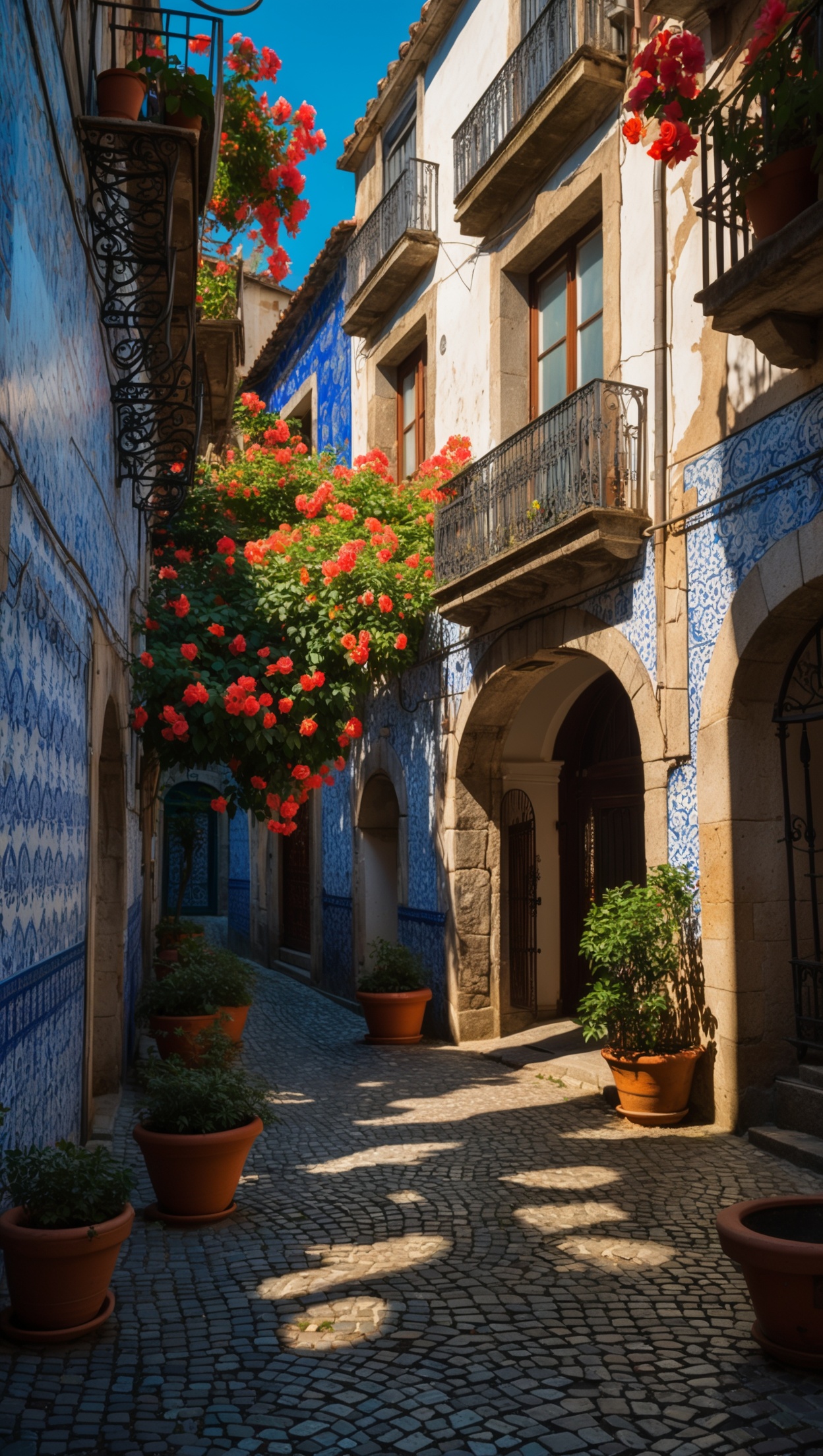
The Triana neighbourhood across the Guadalquivir river is known for flamenco and ceramics, but its true magic lives in its back streets. Wander away from Calle Betis and lose yourself in alleyways where elderly residents still set chairs outside their doors in the evening, where local tapas bars have unchanged menus from the 1970s, and where the smell of frying fish drifts through open windows year-round.

6. Convento de Santa Paula — Art Hidden Behind Monastery Walls

Most visitors to Seville never set foot inside a convent — which is exactly why you should visit Convento de Santa Paula. This working Hieronymite convent houses a remarkable small museum with paintings by Ribera and Zurbarán, extraordinary azulejo tilework and a beautiful Gothic-Mudéjar church. The nuns also sell homemade jams through a tiny wooden turnstile — an experience that feels completely frozen in time.

7. Metropol Parasol at Sunrise — A Different Perspective

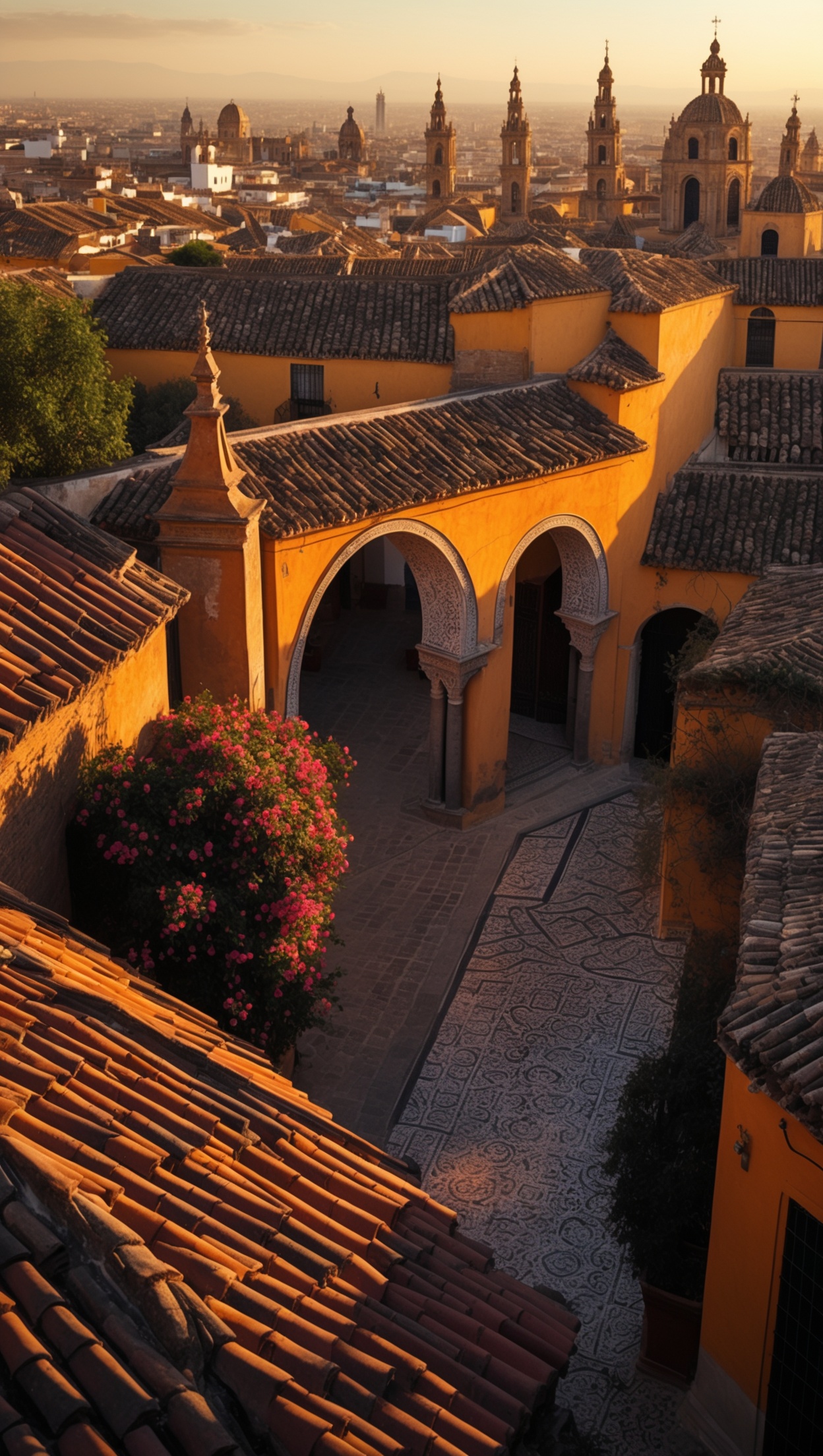
Yes, the Metropol Parasol (locally called Las Setas — the Mushrooms) is on some tourist maps, but almost nobody climbs it at sunrise. Arriving just after opening time rewards you with sweeping 360-degree views of the city bathed in rose-gold light, with virtually no other visitors present. Beneath the structure, the free Antiquarium museum contains remarkably preserved Roman and Moorish ruins.

8. Alameda de Hércules — Seville's Living Room

The Alameda de Hércules is where Sevillanos actually spend their time — not tourists. This long, tree-lined promenade in the Macarena district is lined with quirky bars, vintage shops and street performers. On weekend evenings it transforms into an open-air social hub, buzzing with locals of all ages. Grab a cold beer at one of the outdoor terraces and watch the city live and breathe around you.

9. Iglesia de San Luis de los Franceses — Baroque Overload in the Best Way

This jaw-dropping Baroque church is one of Seville's best-kept architectural secrets. The Iglesia de San Luis de los Franceses was built in the early 18th century for the Jesuits and features an interior so extravagantly decorated that it feels almost surreal. Four enormous altarpieces, painted ceilings and gilded columns compete for your attention. Admission is minimal and the crowds are almost nonexistent.

10. Hospital de los Venerables — A Hidden Baroque Jewel

Located in Santa Cruz, the Hospital de los Venerables is a late-17th-century former home for elderly priests, now housing the Focus-Abengoa Foundation's art collection. The church's ceiling frescos by Juan de Valdés Leal are extraordinary, and the peaceful central courtyard — with its orange trees and fountain — offers one of the most serene moments you'll find in central Seville.

11. Patio de los Naranjos After Hours — Orange Trees and Silence

The Patio de los Naranjos (Courtyard of the Orange Trees) is the Cathedral's outer courtyard and a historic Moorish ablution garden. It's mildly busy during the day, but if you linger near closing time or visit on a quiet weekday morning, the courtyard transforms into a hauntingly beautiful space — rows of ancient orange trees, the sound of running water and the enormous Cathedral walls rising above you.

12. Barrio de San Bartolomé — Seville's Forgotten Jewish Quarter

Most visitors know the Santa Cruz neighbourhood is built on the former Jewish quarter (judería), but fewer explore Barrio de San Bartolomé, the quieter extension of this historic area. Here you'll find hidden plazas like Plaza de las Mercedarias, unmarked medieval doorways, and the kind of authentic, sun-bleached Seville that feels worlds away from the tourist trail. Walk slowly. Look up. And don't check your phone.

Final Thoughts: Seville Beyond the Postcard

Seville is a city that rewards curiosity. Its most memorable moments aren't found in queues or on guided tours — they happen in a dimly lit tavern, a silent convent garden, or a back street in Triana where nobody knows your name. Pack your walking shoes, leave the guidebook at the hotel and let the city surprise you.

  • Best time to explore hidden Seville: Early morning or late evening, avoiding the midday heat
  • Getting around: Most hidden gems are walkable from the city centre
  • Budget tip: Many of these spots are free or charge minimal entry fees
  • Language tip: A few words of Spanish go a long way in non-tourist areas

Ready to discover a Seville that most travellers never see? Start planning your trip at gohorizon.eu for more insider travel guides across Europe and beyond.

Plan your trip with our trusted travel partners: touriDat for curated hotel & experience deals across Europe. Some links are affiliate links.
🇩🇪 Deutsch

Dieser Artikel enthält Affiliate-Links (Werbung). Kaufst du darüber, erhalten wir ggf. eine Provision – für dich ohne Mehrkosten.

12 versteckte Geheimtipps in Sevilla, die du in keinem Reiseführer findest

Sevilla ist eine der bezauberndsten Städte Spaniens — mit Flamenco-Rhythmen, dem Duft von Orangenblüten und sonnenüberfluteten Plätzen. Doch jenseits der Kathedrale, des Alcázar und des Giralda-Turms verbirgt sich ein ganz anderes Sevilla. Eine ruhigere, intimere Stadt voller geheimer Innenhöfe, vergessener Tavernen und Viertel, in die sich Touristen kaum verirren. Wenn du bereit bist, abseits der ausgetretenen Pfade zu gehen, hier sind 12 versteckte Geheimtipps in Sevilla, die deinen Aufenthalt unvergesslich machen werden.

1. Jardines de Murillo — Der Garten, an dem die meisten Touristen vorbeigehen

Entlang der Ostmauer des Real Alcázar erstrecken sich die Jardines de Murillo — ein friedliches Band aus Brunnen, Bänken und Rosengärten. Während sich vor dem Alcázar-Eingang die Menschenmassen stauen, bleiben diese Gärten bemerkenswert ruhig. Benannt nach dem Barockmaler Bartolomé Esteban Murillo, bieten sie wunderschöne Ausblicke auf die alten Stadtmauern und eine schattige Erholung an heißen Nachmittagen.

2. La Carbonería — Flamenco ohne Bühnenlichter

Vergiss überteuerte Touristen-Flamenco-Shows. Die La Carbonería ist eine legendäre, schwach beleuchtete Taverne im Viertel Santa Cruz, wo Einheimische und Reisende bei günstigem Wein und spontanen Flamenco-Darbietungen zusammenkommen. Kein Ticket, kein fester Beginn — nur rohe, leidenschaftliche andalusische Seele. Komm früh, um dir einen Platz zu sichern, bevor das Lokal sich füllt.

3. Palacio de las Dueñas — Ein royales Geheimnis im Barrio San Lorenzo

Während alle in den Alcázar strömen, wird der Palacio de las Dueñas — die Sevillaer Residenz der verstorbenen Herzogin von Alba — weitgehend übersehen. Dieser Palast aus dem 15. Jahrhundert ist ein atemberaubendes Labyrinth aus gotischer und mudéjarischer Architektur, üppigen Gärten und Jahrhunderten aristokratischer Geschichte. Der Dichter Antonio Machado wurde hier geboren, und die Kunstsammlung im Inneren ist schlichtweg beeindruckend.

4. Calle Mateos Gago im Morgengrauen — Die älteste Straße ohne Menschenmassen

Tagsüber ist die Calle Mateos Gago voller Touristen auf dem Weg zur Kathedrale. Im Morgengrauen aber gehört diese Kopfsteinpflasterstraße — mit römischen Ruinen darunter und maurischem Erbe darüber — nur den Tauben der Stadt und den Frühaufstehern. Die Stille, das sanfte goldene Licht und die antiken Texturen der Mauern bieten außergewöhnliche Fotomotive und stille Momente der Besinnung.

5. Die Hintergassen von Triana — Die wahre Seele Sevillas

Das Viertel Triana jenseits des Guadalquivir ist bekannt für Flamenco und Keramik, doch seine wahre Magie lebt in seinen Hintergassen. Wandere abseits der Calle Betis und verliere dich in Gassen, wo ältere Bewohner abends noch Stühle vor ihre Türen stellen, wo lokale Tapas-Bars Speisekarten aus den 1970er-Jahren haben und wo der Geruch von gebratenem Fisch das ganze Jahr durch offene Fenster zieht.

6. Convento de Santa Paula — Kunst hinter Klostermauern

Die meisten Sevilla-Besucher betreten nie ein Kloster — genau deshalb solltest du das Convento de Santa Paula besuchen. Dieses aktive Hieronymitenkloster beherbergt ein bemerkenswertes kleines Museum mit Gemälden von Ribera und Zurbarán, außergewöhnlichen Azulejo-Kacheln und einer wunderschönen gotisch-mudéjarischen Kirche. Die Nonnen verkaufen selbstgemachte Marmeladen durch ein kleines hölzernes Drehgestell — ein Erlebnis, das sich vollständig aus der Zeit herausgelöst anfühlt.

7. Metropol Parasol bei Sonnenaufgang — Eine andere Perspektive

Ja, der Metropol Parasol (von den Einheimischen Las Setas — die Pilze — genannt) taucht auf einigen Touristenkarten auf, aber kaum jemand besteigt ihn bei Sonnenaufgang. Wer kurz nach der Öffnungszeit kommt, wird mit einem 360-Grad-Panoramablick auf die Stadt im rosagoldenen Licht belohnt — und das bei kaum anderen Besuchern. Unter dem Bauwerk befindet sich das kostenlose Antiquarium mit bemerkenswert gut erhaltenen römischen und maurischen Ruinen.

8. Alameda de Hércules — Sevillas Wohnzimmer

Die Alameda de Hércules ist der Ort, an dem die Sevillaner tatsächlich ihre Zeit verbringen — keine Touristen, sondern echtes Stadtleben. Diese lange, baumbestandene Promenade im Macarena-Viertel ist gesäumt von skurrilen Bars, Vintage-Läden und Straßenkünstlern. An Wochenendabenden verwandelt sie sich in ein geselliges Freiluft-Zentrum, das von Einheimischen aller Altersgruppen bevölkert wird. Schnapp dir ein kühles Bier auf einer der Außenterrassen und beobachte, wie die Stadt um dich herum lebt und atmet.

9. Iglesia de San Luis de los Franceses — Barocke Pracht vom Feinsten

Diese atemberaubende Barockkirche ist eines von Sevillas bestgehüteten Architekturgeheimnissen. Die Iglesia de San Luis de los Franceses wurde Anfang des 18. Jahrhunderts für die Jesuiten erbaut und besitzt ein so extravagant verziertes Inneres, dass es fast unwirklich wirkt. Vier riesige Altarbilder, bemalte Decken und vergoldete Säulen wetteifern um deine Aufmerksamkeit. Der Eintritt ist minimal, und die Menschenmassen sind nahezu nicht vorhanden.

10. Hospital de los Venerables — Ein verstecktes Barockjuwel

Das Hospital de los Venerables in Santa Cruz ist ein ehemaliges Altersheim für Priester aus dem späten 17. Jahrhundert, das heute die Kunstsammlung der Focus-Abengoa-Stiftung beherbergt. Die Deckengemälde der Kirche von Juan de Valdés Leal sind außergewöhnlich, und der friedliche zentrale Innenhof mit Orangenbäumen und Brunnen bietet einen der ruhigsten Momente, die du im Herzen Sevillas finden kannst.

11. Patio de los Naranjos nach Feierabend — Orangenbäume und Stille

Der Patio de los Naranjos (Innenhof der Orangenbäume) ist der äußere Vorhof der Kathedrale und ein historischer maurischer Waschungsgarten. Tagsüber ist er mäßig belebt, doch wenn du kurz vor der Schließungszeit bleibst oder an einem ruhigen Wochentagmorgen kommst, verwandelt sich der Hof in einen geradezu magischen Ort — Reihen uralter Orangenbäume, das Geräusch fließenden Wassers und die enormen Kathedralmauern, die sich über dir erheben.

12. Barrio de San Bartolomé — Sevillas vergessenes jüdisches Viertel

Die meisten Besucher wissen, dass das Viertel Santa Cruz auf der ehemaligen Judería erbaut wurde, aber nur wenige erkunden den Barrio de San Bartolomé, die ruhigere Erweiterung dieses historischen Gebiets.

Plane deine Reise mit unseren vertrauenswürdigen Partnern: touriDat für kuratierte Hotel- & Erlebnis-Deals in ganz Europa. Einige Links sind Affiliate-Links.