This article contains affiliate links. If you buy through them, we may earn a commission at no extra cost to you.
7 Hidden Gems in Bruges Every Traveler Should Visit
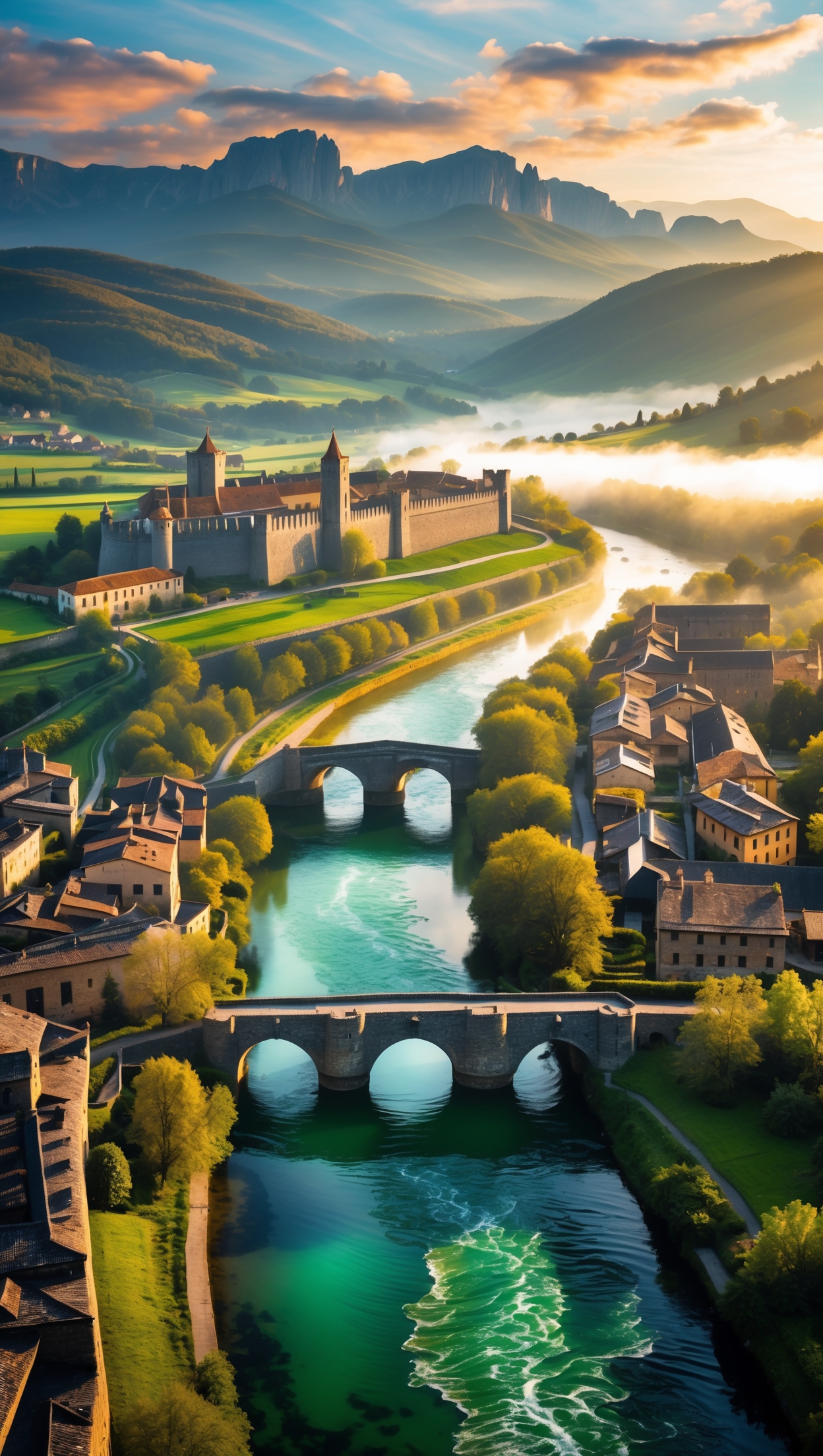
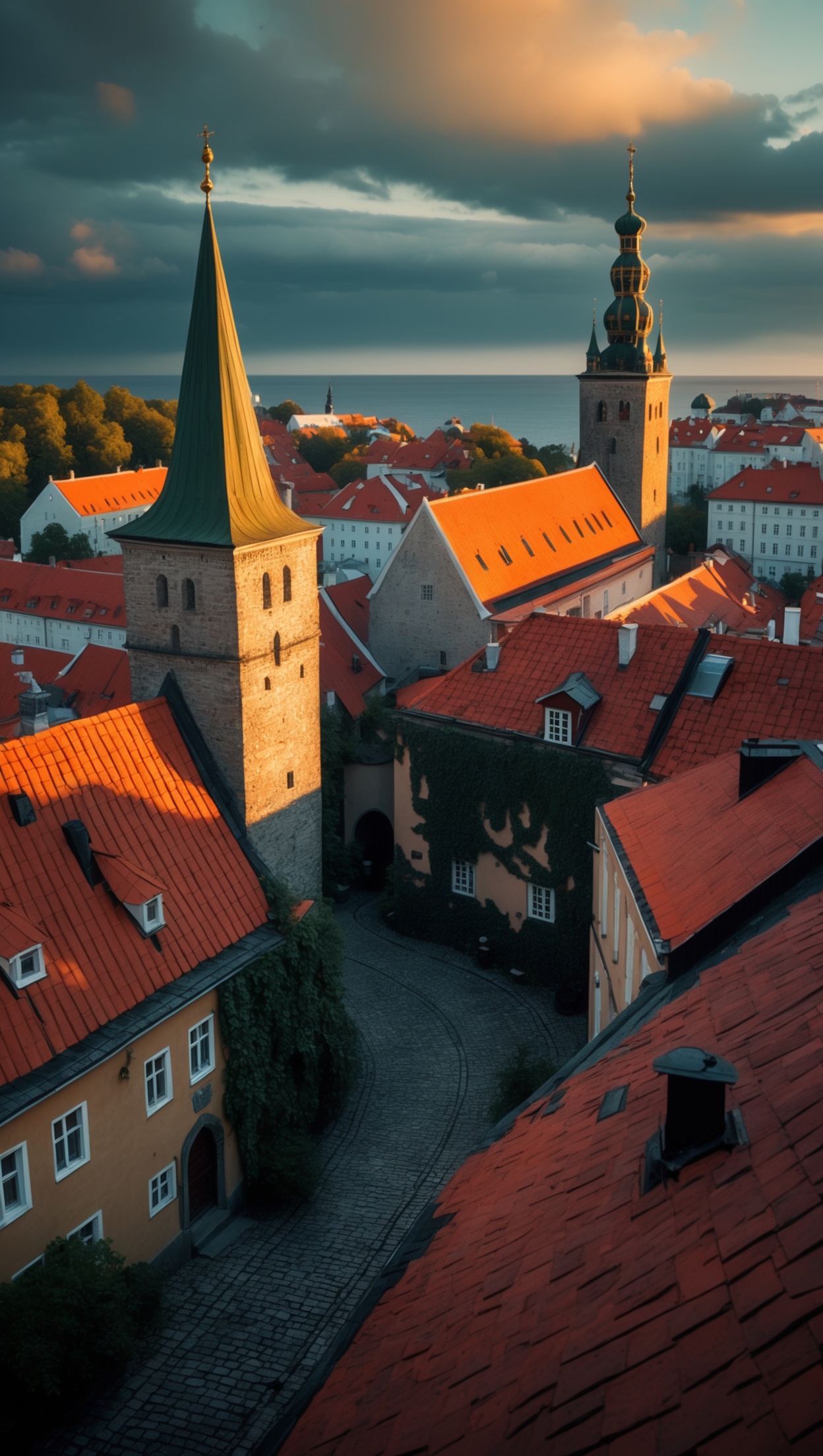
Bruges is one of Europe's most beautifully preserved medieval cities, a place where cobblestones echo with centuries of history and canals mirror the sky like liquid silver. But beyond the iconic Markt square and the famous Belfry tower, an entirely different Bruges waits — quieter, more intimate, and far more rewarding. These are the 7 hidden gems in Bruges that most visitors walk right past, and you absolutely should not.
Whether you're planning your first visit or returning for a deeper experience, booking your guided adventures through GoWithGuide lets you explore these lesser-known spots with local experts who know the stories behind every brick and bloom.
1. The Begijnhof (Princely Beguinage Ten Wijngaerde)
Just a short walk from the crowded tourist centre, the Begijnhof is a UNESCO World Heritage Site that feels entirely removed from the modern world. Founded in 1245, this serene walled community of whitewashed houses once sheltered Beguines — independent religious women who lived outside traditional convent life. Today, Benedictine nuns maintain the grounds, and visitors are welcomed into a courtyard of breathtaking quiet. In spring, the grass blazes white and yellow with daffodils. Come early morning to have it almost entirely to yourself.
2. Minnewater Lake (The Lake of Love)
Tucked just beyond the Begijnhof, Minnewater Lake is surrounded by willow trees, swans, and a stillness that feels almost theatrical. Local legend says that couples who cross the bridge over the lake together will be bound in eternal love. It's romantic, yes — but it's also simply a staggeringly beautiful corner of the city that surprisingly few tourists venture to explore deeply. Pack a book, sit on a bench, and breathe.
3. The Adornes Domain & Jerusalem Chapel
One of Bruges' most extraordinary secrets, the Jerusalem Chapel was built in 1428 by the Adornes family — Genoese merchants who had made a pilgrimage to the Holy Land and wanted to recreate the Church of the Holy Sepulchre back home. The interior is hauntingly beautiful: stained glass, a replica of Christ's tomb, and centuries of quiet devotion. The adjoining Adornes Domain includes a museum and almshouse that still functions today. Book a private guided tour through GoWithGuide to truly understand the layers of history here.
4. The Lace Centre (Kantcentrum)
Bruges lace is world-famous, yet the Kantcentrum (Lace Centre) remains one of the city's most undervisited cultural treasures. Housed in a 15th-century almshouse in the Sint-Anna quarter, it's where you can watch artisans practise the extraordinarily intricate art of bobbin lace-making in real time. The rhythmic click of wooden bobbins is meditative and mesmerising. There are also workshops available if you'd like to try it yourself — patience required.
5. Koelewei Mill & the Windmill Quarter
Most visitors don't realise that Bruges once had more than 20 windmills spinning along its city ramparts. Today, four remain — and the Koelewei Mill area along the eastern ramparts is a gloriously overlooked pocket of the city. Walking the tree-lined Kruisvest path between these mills on a breezy afternoon is one of the most pleasant and peaceful things you can do in Bruges. The views back over the rooftops are magnificent.
6. The Groeninge Museum's Back Rooms
Yes, Bruges' Groeninge Museum is on most itineraries — but almost everyone rushes through to see the famous Flemish Primitives and then leaves. The real reward is in the quieter back rooms, where expressionist, surrealist and modern Belgian art hang in near-empty galleries. Works by artists like Constant Permeke and Gustave De Smet are profoundly moving, and you'll often find yourself alone with them. Combine your museum visit with accommodation booked through touriDat to find the best-value stays near the cultural heart of Bruges.
7. Speelmansrei & the Sint-Anna Quarter
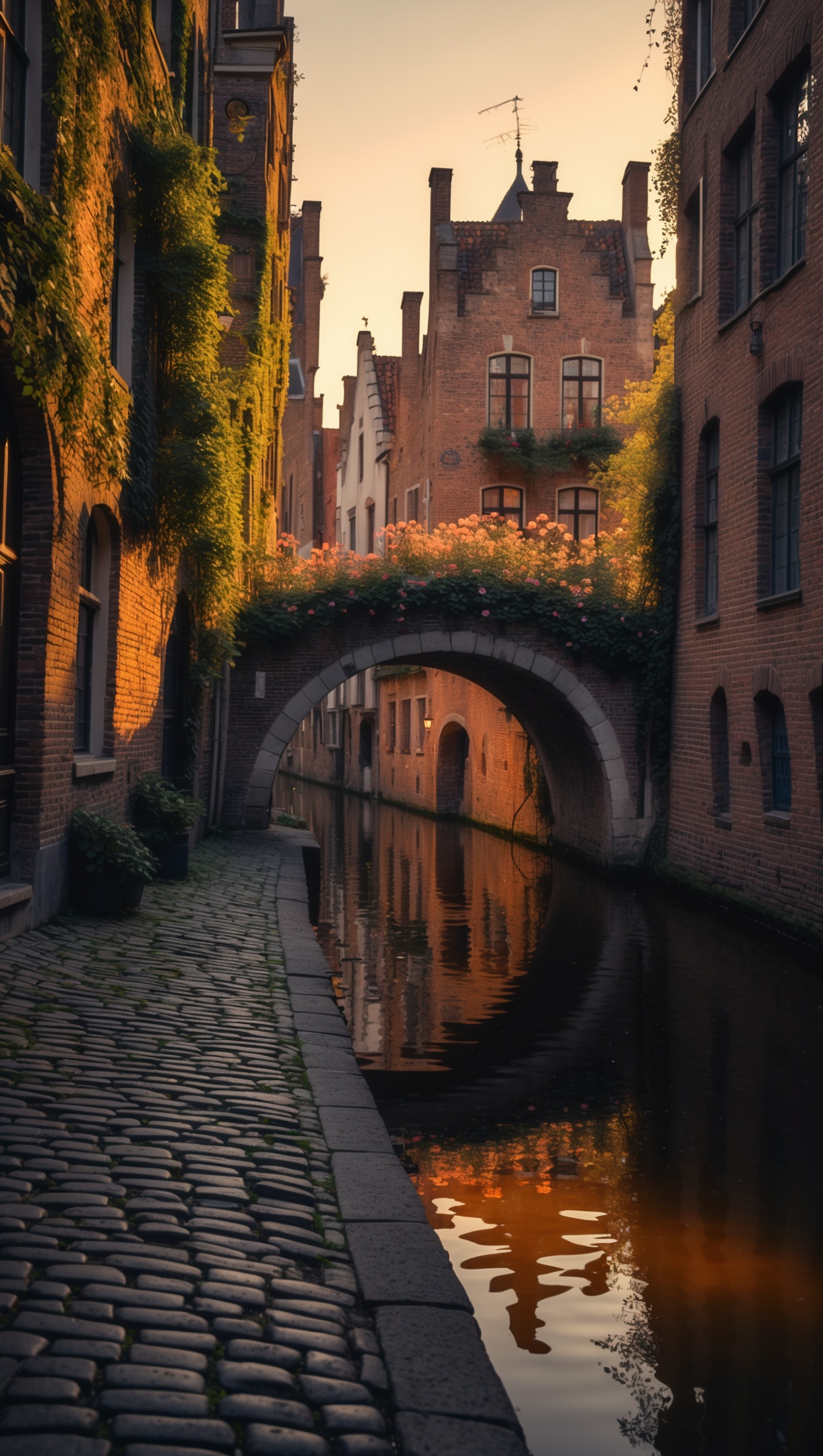
If you walk away from the tourist flow and into the Sint-Anna quarter, you'll find the Bruges that locals actually live in. The Speelmansrei canal stretch here is arguably the most photogenic and least photographed waterway in the entire city — lined with leaning medieval homes, creeping plants, and the occasional rowing boat drifting silently past. There are small brown cafés, neighbourhood bakeries, and the kind of gentle, unhurried pace that reminds you why slow travel matters.
How to Make the Most of Your Bruges Visit
- Stay longer than a day: Most visitors do Bruges as a day trip from Brussels. Don't. Book at least two nights to let the city reveal itself properly. Find great deals through touriDat.
- Go early or late: The most magical light hits the canals at dawn and dusk. The crowds thin dramatically after 6pm.
- Hire a local guide: Many of these hidden gems require context to fully appreciate. GoWithGuide connects you with passionate local guides who bring the city's stories to life.
- Walk everywhere: Bruges is a compact city best explored entirely on foot. Ditch the canal boat tour and simply wander.
- Eat where locals eat: Avoid the Markt restaurants. Head to the Sint-Anna quarter for authentic Belgian food at honest prices.
Final Thoughts
Bruges rewards the curious traveller — the one willing to turn left when everyone else turns right. These seven hidden gems won't just give you better photographs; they'll give you a genuine connection to one of Europe's most extraordinary cities. Plan your stay with touriDat and your guided experiences with GoWithGuide, and you'll return home with stories most Bruges visitors never get to tell.
Plan your trip with our trusted travel partners: touriDat for curated hotel & experience deals across Europe. Some links are affiliate links.