7 Hidden Gems in the Azores You Need to Explore
Floating in the middle of the Atlantic Ocean, the Azores archipelago is one of Europe's most dramatic and underrated destinations. While Sete Cidades and the whale-watching tours of Faial draw a growing number of visitors, this nine-island volcanic paradise still holds secrets that most travellers never uncover. From mist-draped calderas to forgotten thermal pools tucked inside forest ravines, these are the 7 hidden gems in the Azores that belong on every adventurous traveller's itinerary.
Planning your trip? Book your stay through touriDat for exclusive deals on Azorean accommodation, and stay connected on every island with a travel eSIM from travSIM DACH — essential for navigating remote locations without roaming fees.
1. Lagoa do Fogo, São Miguel — The Lake of Fire
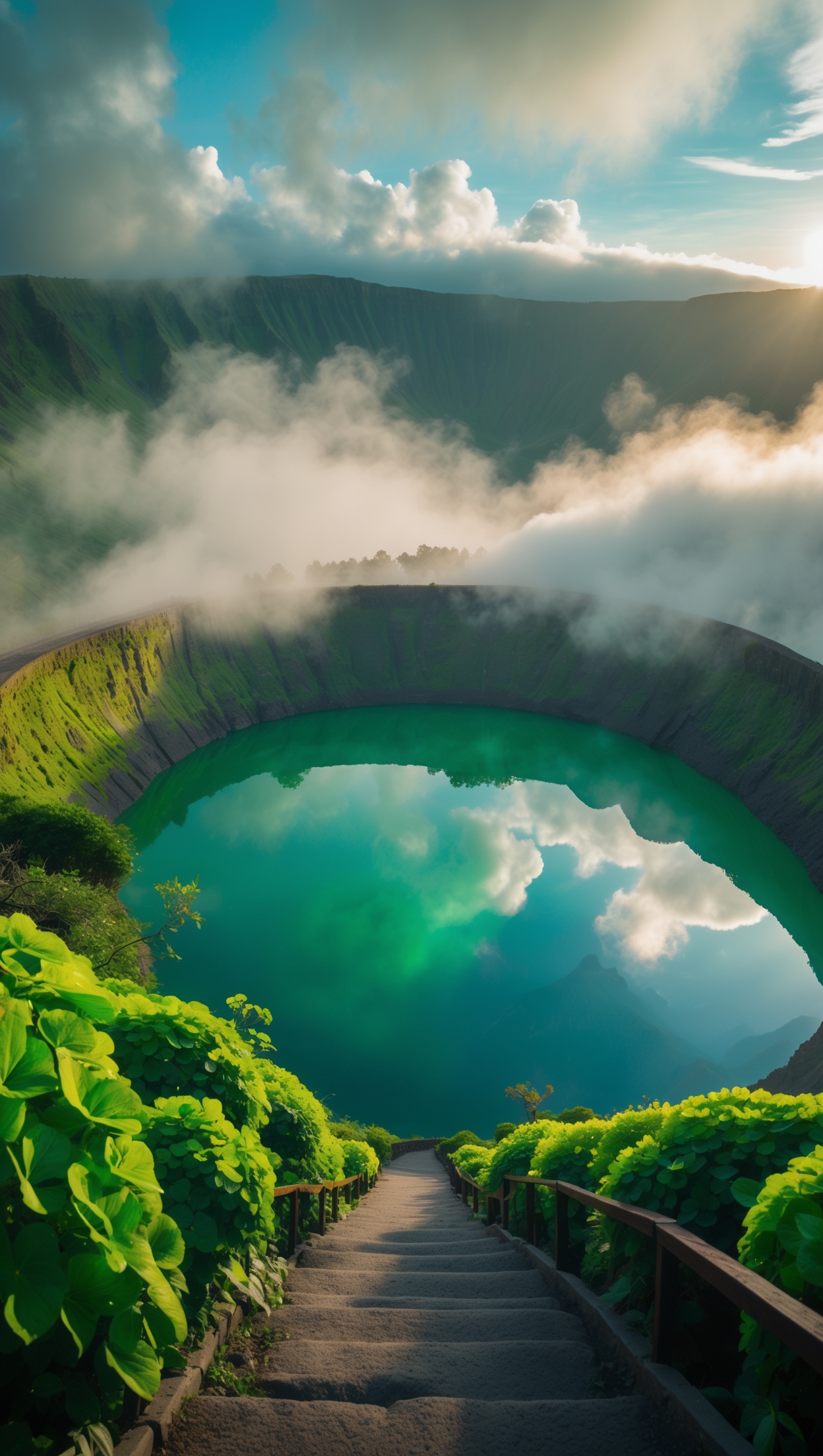
Most visitors to São Miguel head straight for Sete Cidades, and while that twin-lake caldera is undeniably stunning, Lagoa do Fogo remains far less crowded and arguably more spectacular. Perched at 590 metres above sea level inside a nature reserve, this volcanic lake is often swathed in clouds that part dramatically to reveal an almost electric-blue expanse of water surrounded by untouched highland heath.
The hike down to the lake shore takes about 45 minutes from the car park at Pico da Barrosa and rewards you with complete solitude, resident grey herons, and a raw volcanic landscape unlike anywhere else in the North Atlantic. Go early to beat the occasional tour group and bring a waterproof jacket — the weather changes within minutes.
2. Fajã dos Cubres, São Jorge — A Coastal Lagoon at the Island's Edge
São Jorge is the long, narrow, ridgeback island that many Azores itineraries skip entirely. That is a serious mistake. Fajã dos Cubres is a flat coastal platform created by ancient lava flows that juts into the sea at the island's northeastern tip, home to a tranquil lagoon, a small fishing community, and one of the finest bodyboard spots in the entire archipelago.
- When to go: April to October for calmer seas and hiking trails
- Don't miss: The clam soup prepared by local women — a fajã tradition
- Getting there: A steep road descends from the EN1-1A; use a GPS and drive slowly
3. Caldeira das Sete Cidades Viewpoint from Boca do Inferno, São Miguel
Everyone photographs Sete Cidades from the famous Vista do Rei viewpoint — it appears on every postcard sold in Ponta Delgada. Fewer people know about Boca do Inferno (Mouth of Hell), a secondary viewpoint reached via a rough forest track on the caldera's western rim. From here you get an entirely different perspective: the two lakes separated by a narrow bridge, wild hydrangea hedgerows in full violet bloom, and zero tour buses. It feels like the Azores of thirty years ago.
4. Poço da Alagoinha, Flores — A Hidden Waterfall Pool
The island of Flores is the westernmost point of Europe and receives a fraction of the visitors that São Miguel does. Poço da Alagoinha is a series of natural swimming pools fed by a cascading waterfall in the island's interior, hidden inside a lush green gorge draped in ferns and mosses. The water is cold, crystal clear, and utterly rejuvenating after a day of hiking.
Flores has limited accommodation, so booking well in advance is strongly recommended. Find the best rates on touriDat for guesthouses and rural retreats on this remote island, and make sure you have mobile connectivity sorted before you arrive — grab a data plan through travSIM DACH to access offline maps and trail guides.
5. Caldas do Carapacho, Graciosa — Thermal Baths by the Sea
Graciosa is the smallest and flattest island in the central group, often described as the "White Island" for its whitewashed windmills and traditional architecture. Caldas do Carapacho is a natural thermal spa complex built directly into the coastal rocks, where mineral-rich volcanic water at 35°C flows into seawater pools overlooking the ocean. It is one of the most peaceful and atmospheric thermal experiences in the Azores — and almost entirely off the tourist radar.
The village of Carapacho itself is worth exploring: a handful of fishermen's houses, a chapel, and a seafront café where you can eat grilled limpets (lapas) while watching the Atlantic roll in.
6. Serra de Santa Bárbara, Terceira — Fog-Wrapped Highland Wilderness
Terceira is best known for its UNESCO-listed capital Angra do Heroísmo, but the island's volcanic interior is a world apart. Serra de Santa Bárbara is the highest point on Terceira at 1,021 metres and forms the centrepiece of a protected nature reserve cloaked in endemic laurel forest. The summit is frequently wrapped in dense fog, giving it a mysterious, otherworldly atmosphere.
- Trail: A circular route of approximately 8 km through heath and laurisilva forest
- Wildlife: Look for the Azores bullfinch (priolo) and endemic invertebrates
- Best season: June to September for clearer skies and drier paths
7. Furna do Enxofre, Graciosa — A Volcanic Cave Lake
One of the most extraordinary geological wonders in the entire Atlantic, Furna do Enxofre is a massive volcanic caldera that contains a subterranean lake of sulphurous water, accessible via a spiral staircase carved into the rock. The air inside smells of minerals, the light is dim and blue, and the silence is profound. It genuinely feels like standing at the centre of the Earth.
Visits are guided and numbers are limited — book your spot well ahead of your trip. Combine your Graciosa exploration with thermal baths at Caldas do Carapacho (#5 above) for a full-day adventure that most Azores visitors never experience.
Practical Tips for Exploring the Hidden Azores
Getting Around
Inter-island flights are operated by SATA Air Açores and are affordable when booked in advance. Renting a car on each island is essential — public transport is minimal outside Ponta Delgada. Book your accommodation on touriDat to find options ranging from volcanic cave guesthouses to eco-lodges.
Staying Connected
Mobile coverage can be patchy in remote valleys and on smaller islands. A reliable eSIM from travSIM DACH ensures you have data access for navigation, weather apps, and trail maps without expensive roaming charges. Sign up through travSIM DACH before you leave home.
Best Time to Visit
The Azores are a year-round destination, but May to September offers the warmest temperatures, longest days, and calmest seas for inter-island ferry crossings. Spring (April–May) sees the islands at their most dramatically green, with waterfalls at full flow and hydrangeas beginning to bloom.
Final Thoughts
The Azores reward the curious and the patient. These nine islands are not a destination for passive beach holidays — they are a destination for people who want to feel genuinely moved by a landscape. From the eerie silence inside Furna do Enxofre to the cold, perfectly clear water of Flores' hidden pools, the hidden gems listed here will give you the Azores that most travellers never see. Start planning, book smart through touriDat, stay connected with travSIM DACH, and go find your horizon.
Plan your trip with our trusted travel partners: touriDat for curated hotel & experience deals across Europe. Some links are affiliate links.