This article contains affiliate links. If you buy through them, we may earn a commission at no extra cost to you.
Amalfi Coast Travel Guide: Everything You Need to Know
Few coastlines in the world stop you dead in your tracks the way the Amalfi Coast does. Stretching roughly 50 kilometres along the southern edge of Italy's Sorrentine Peninsula, this UNESCO World Heritage Site is a relentless parade of colourful fishing villages, vertiginous cliffs, crystal-clear sea, and food so good it borders on spiritual. Whether you're a first-timer or a returning visitor, this guide covers everything you need to plan the perfect Amalfi Coast trip.
Why the Amalfi Coast Belongs on Your Bucket List
The Amalfi Coast — known in Italian as the Costiera Amalfitana — isn't simply beautiful. It's a place that challenges your senses at every turn. The road that winds along the cliffside is simultaneously terrifying and exhilarating. The lemon groves perfume the air. The architecture feels like it grew organically out of the rock face itself. This is a destination that rewards slow travel and genuine curiosity.
Beyond aesthetics, the coast carries centuries of history. Amalfi itself was once a powerful maritime republic that rivalled Venice and Genoa. Its Cathedral of Sant'Andrea, its paper-making traditions, and its seafaring legacy give the region a cultural depth that many purely scenic destinations lack.
Best Towns to Visit Along the Coast
Amalfi
The namesake town and spiritual heart of the coastline. Wander through the Piazza del Duomo, climb the 57 steps to the stunning cathedral, and explore the Valle dei Mulini — a gorge once filled with medieval paper mills. Browse the local shops for handmade paper products, a craft Amalfi has practised since the 13th century. Book guided tours of the town through GoWithGuide to make the most of your time here.
Positano
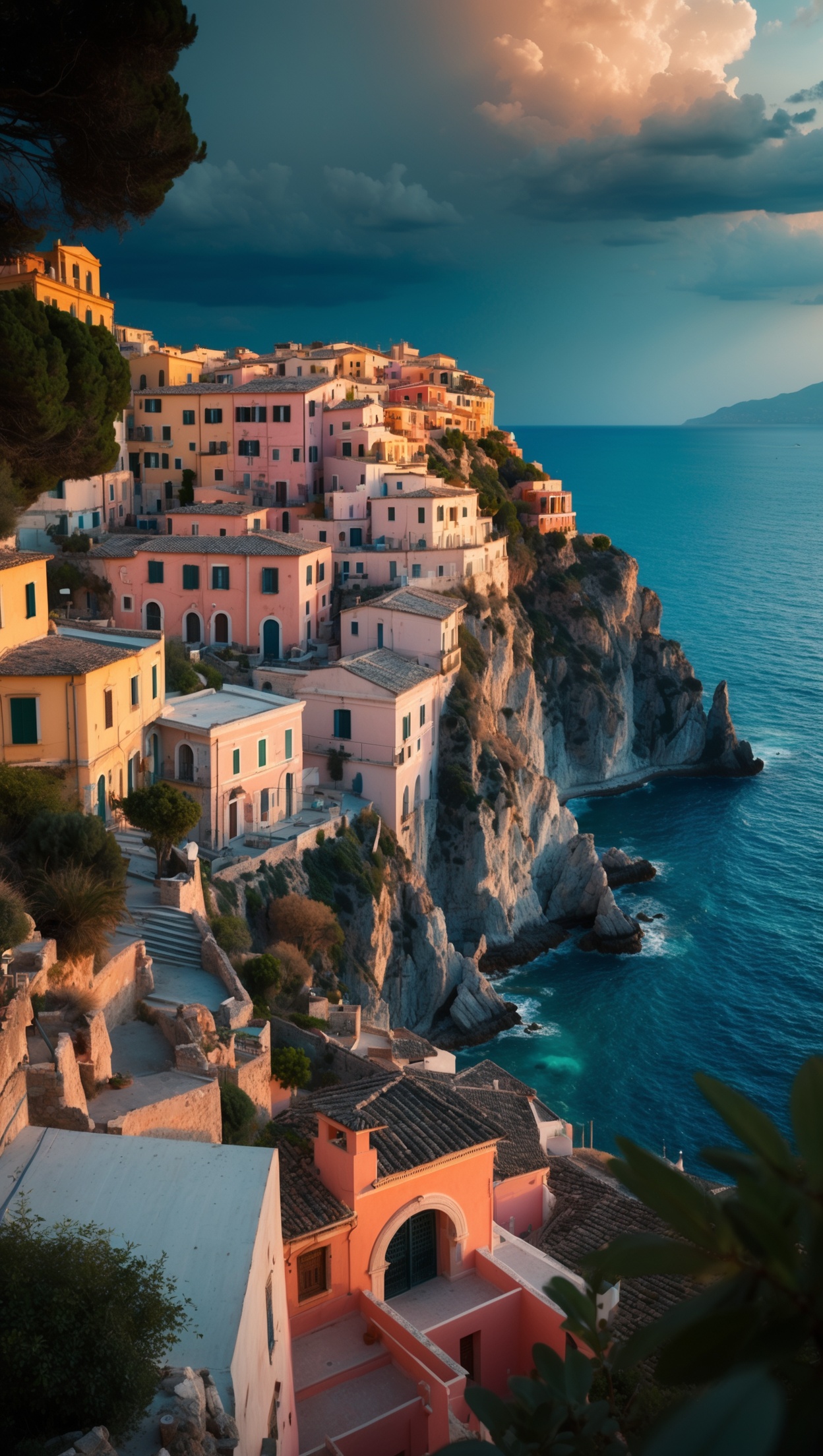
The poster child of the Amalfi Coast and, frankly, worthy of every photograph ever taken of it. Positano tumbles down the cliffside in a cascade of pink, white, and terracotta buildings. Spiaggia Grande is the main beach and always buzzing; for a quieter swim, head to Fornillo Beach just around the headland. Positano is best explored on foot — and best appreciated at sunrise before the day-trippers arrive.
Ravello
Perched high above the coast at around 350 metres, Ravello is the coast's cultural and romantic escape. The Villa Rufolo and its cliff-edge gardens inspired Wagner's opera Parsifal. The Villa Cimbrone offers one of the most breathtaking terraces in Europe — the so-called Terrace of Infinity. Ravello rewards visitors who are willing to climb for their views.
Praiano
If Positano feels too crowded for your taste, Praiano is your answer. This quieter village sits between Positano and Amalfi and retains a genuinely local feel. The Marina di Praia is a tiny cove with emerald water and a single beach bar — perfection. Sunrise from Praiano is a moment you won't forget.
Cetara
A working fishing village at the eastern end of the coast, Cetara is famous for its colatura di alici — a deeply savoury anchovy sauce that has been produced here since medieval times. Fewer tourists, more authenticity, and some of the best seafood pasta on the entire coast.
Getting to the Amalfi Coast
The most common gateway cities are Naples and Salerno, both well-served by international flights and high-speed rail. From Naples, you can take a ferry directly to Positano or Amalfi in summer — far more enjoyable than fighting traffic on the SS163. From Salerno, ferries and the SITA bus service connect you to the main towns along the coast.
- By car: Scenic and flexible, but the SS163 coastal road is narrow, congested, and challenging in summer. Parking is scarce and expensive.
- By ferry: The most enjoyable approach in summer. Seasonal services connect Salerno, Amalfi, Positano, and Capri.
- By bus: The SITA bus runs frequently and cheaply between all the main towns. Expect a squeeze during peak hours.
- By private transfer: Ideal for groups or those arriving with luggage. Book in advance and enjoy the journey stress-free.
Where to Stay
Accommodation on the Amalfi Coast ranges from simple pensioni to legendary five-star cliff-side hotels. Budget matters here — the coast is not cheap, but there are smart choices at every price point.
- Luxury: The Belmond Hotel Caruso in Ravello and Il San Pietro di Positano are two of Italy's finest properties.
- Mid-range: Boutique hotels in Praiano and Minori offer excellent value and a more local experience.
- Budget: Guesthouses and B&Bs in Amalfi town and Atrani keep costs manageable without sacrificing atmosphere.
Find the best rates and available rooms by searching through touriDat — their selection covers everything from charming cliff-side boutiques to family-run guesthouses along the entire coastline.
What to Eat and Drink
The Amalfi Coast is a food destination in its own right. The cuisine leans heavily on the sea, the lemon groves, and centuries of simple, confident cooking.
- Scialatielli ai frutti di mare: Fresh, thick pasta with mixed seafood. The coast's signature dish.
- Delizia al limone: A dome-shaped lemon cream dessert that is worth every calorie.
- Limoncello: The local digestivo, made from Sfusato Amalfitano lemons. Buy a bottle from a local producer, not a tourist shop.
- Colatura di alici: A few drops of Cetara's anchovy sauce transform any pasta into something extraordinary.
- Mozzarella di bufala: The nearby Campania plains produce the world's finest buffalo mozzarella. Eat it daily. You're on holiday.
Best Time to Visit
May, June, and September are the golden months. The weather is warm, the sea swimmable, and the crowds manageable. July and August are intensely hot and packed — beautiful, but exhausting. October brings a quieter magic: fewer tourists, golden light, and the lemon harvest in full swing. Avoid the coast between November and March unless you enjoy deserted villages and closed restaurants — though admittedly there is a melancholy beauty to it in winter.
Practical Tips for Your Visit
- Book accommodation as far in advance as possible — peak season properties sell out months ahead.
- Wear comfortable shoes. The coast is all steps, cobbles, and steep paths.
- Start your days early. The most popular spots are transformed by 10am into crowded scenes.
- Carry cash. Many smaller restaurants and shops are cash-only.
- Download offline maps. Mobile signal along the clifftop roads can be unreliable.
- Book a guided walking tour through GoWithGuide to access hidden trails, private gardens, and local knowledge that no guidebook can replicate.
Day Trips from the Amalfi Coast
The coast's central location makes it an ideal base for wider exploration:
- Capri: Take the ferry for a day on Italy's most glamorous island.
- Pompeii: A 90-minute drive or bus ride connects you to one of history's most extraordinary archaeological sites.
- Naples: Pizza, art, chaos, and energy — the ultimate Italian city day trip.
- Paestum: Ancient Greek temples rising from a coastal plain, largely tourist-free and genuinely awe-inspiring.
Final Thoughts
The Amalfi Coast is not an easy destination. It's expensive, it's crowded in summer, and it will test your patience on the roads. But it is also one of those rare places on earth that actually lives up to its reputation. The light at golden hour over the sea, the scent of lemons, the impossible beauty of the villages clinging to the cliffs — it stays with you long after you leave.
Plan well, travel slowly, eat everything, and let the coast work its magic. Use touriDat to secure your accommodation and GoWithGuide to book expert-led local experiences. The Amalfi Coast is waiting — and it is absolutely worth it.
Plan your trip with our trusted travel partners: touriDat for curated hotel & experience deals across Europe. Some links are affiliate links.