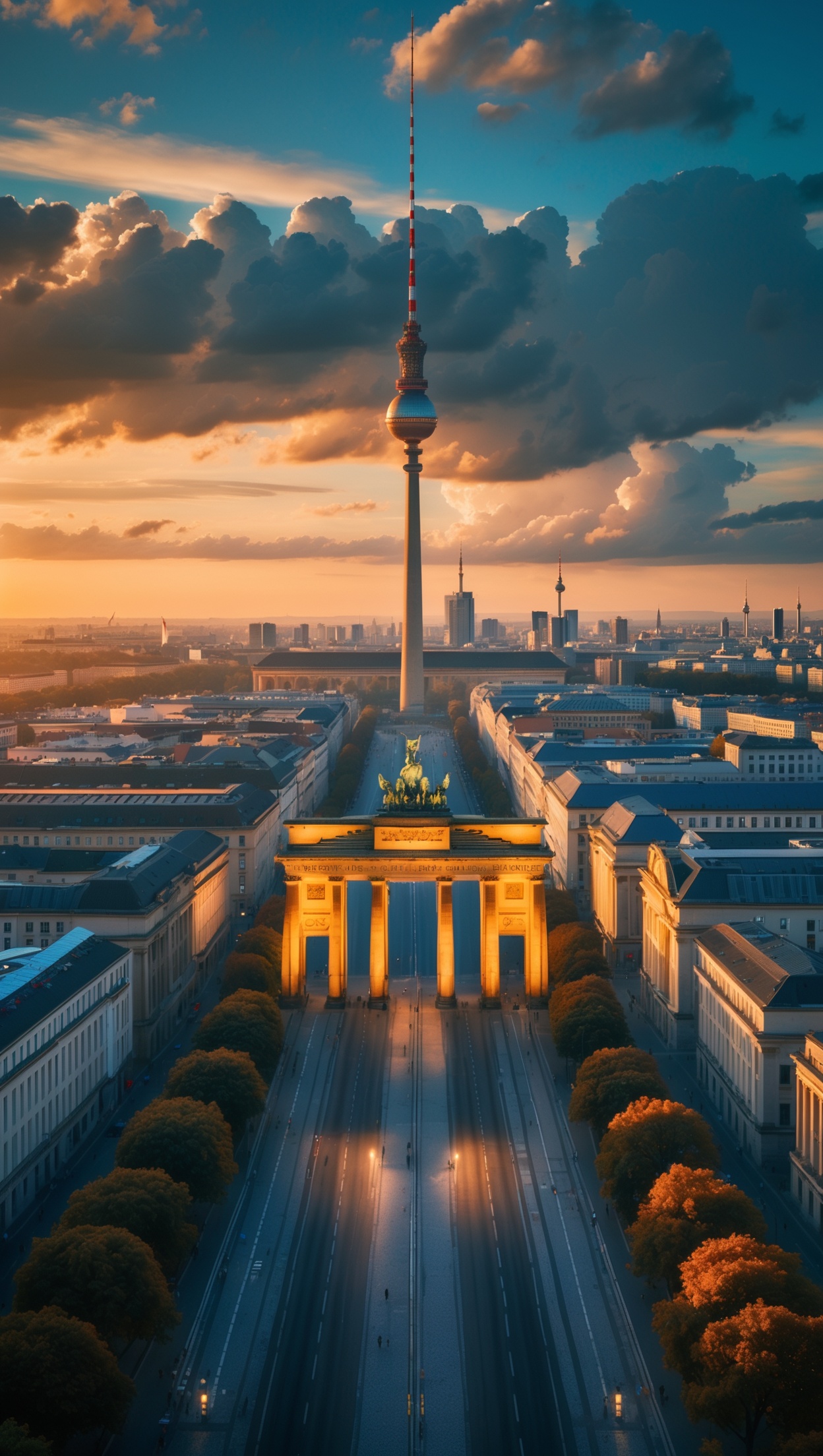
Berlin Travel Guide: Where History Meets Living Culture
Few cities in the world carry as much historical weight and creative energy as Berlin. From the scars of World War II to the euphoria of the Wall's fall, and from underground techno clubs to world-class museums, Germany's capital is a city that never stops surprising. Whether you're a first-time visitor or returning for more, this Berlin travel guide will help you uncover the very best of what this extraordinary city has to offer.
A City Shaped by History
Berlin's story is unlike any other European capital. Walking its streets feels like flipping through the pages of a turbulent and ultimately triumphant history book. The city has been rebuilt, divided, and reunited — and every chapter of that journey is visible if you know where to look.
Brandenburg Gate
No visit to Berlin is complete without standing before the Brandenburg Gate. Once a symbol of a divided nation, this magnificent neoclassical monument now stands as a beacon of unity and freedom. Visit at sunrise for breathtaking golden light and far fewer crowds. The surrounding Pariser Platz is also home to embassies and elegant hotels, making it one of the most prestigious squares in Europe.
The Berlin Wall Memorial
The Berlin Wall Memorial on Bernauer Strasse is one of the most emotionally powerful sites in the city. A preserved section of the original wall, complete with the death strip and watchtowers, provides a sobering reminder of the Cold War era. The open-air exhibition and documentation centre tell personal stories of those who lived through — and sometimes died trying to cross — the divide. Allocate at least two hours for a thorough visit.
Checkpoint Charlie
Once the most famous crossing point between East and West Berlin, Checkpoint Charlie is now a tourist hotspot surrounded by museums and exhibitions. While the site itself has become quite commercialised, the nearby Checkpoint Charlie Museum offers genuinely fascinating insights into Cold War espionage, daring escape attempts, and the human spirit's resilience.
World-Class Museums and Art
Berlin is home to an astonishing concentration of museums, galleries, and cultural institutions. The city invests heavily in preserving and sharing its heritage — and it shows.
Museum Island
Museum Island (Museumsinsel) is a UNESCO World Heritage Site sitting in the middle of the River Spree. It houses five extraordinary museums:
- Pergamon Museum — home to ancient Babylonian, Greek, and Islamic architectural masterpieces
- Neues Museum — featuring the iconic bust of Nefertiti
- Alte Nationalgalerie — 19th-century European paintings and sculptures
- Bode Museum — Byzantine art and coin collections
- Altes Museum — classical antiquities from Greece and Rome
A Museum Island Day Pass is excellent value and allows entry to all five institutions. Book tickets in advance online to avoid long queues, especially during summer.
The East Side Gallery
Stretching for 1.3 kilometres along the River Spree, the East Side Gallery is the longest remaining section of the Berlin Wall and the world's largest open-air gallery. Over 100 murals painted by international artists after reunification cover its surface, including the iconic Fraternal Kiss between Brezhnev and Honecker. This is a must-see for any visitor and admission is completely free.
Berlin's Contemporary Art Scene
Beyond the historical institutions, Berlin pulses with contemporary creativity. The KW Institute for Contemporary Art in Mitte and the galleries of Kreuzberg and Prenzlauer Berg showcase cutting-edge installations and emerging artists. Berlin Art Week, held every September, draws collectors and curators from around the globe.
Neighbourhoods Worth Exploring
Berlin is a city of distinct neighbourhoods, each with its own personality and atmosphere. Exploring beyond the tourist trail reveals the true character of this city.
Mitte — The Historic Heart
Mitte is Berlin's central district and home to most of the city's iconic landmarks. From Museum Island to the Berlin Cathedral (Berliner Dom) and Unter den Linden boulevard, this is where history is most densely concentrated. Don't miss the striking Memorial to the Murdered Jews of Europe — a deeply moving landscape of 2,711 concrete slabs just steps from the Brandenburg Gate.
Kreuzberg — Bohemian and Multicultural
If Mitte is Berlin's historical core, Kreuzberg is its rebellious soul. This vibrant district is a melting pot of cultures, home to a large Turkish community, independent art spaces, vintage markets, and some of the city's best street food. The Turkish Market on Maybachufer (held every Tuesday and Friday) is an absolute feast for the senses.
Prenzlauer Berg — Trendy and Family-Friendly
Once part of East Berlin, Prenzlauer Berg has transformed into one of the city's most desirable neighbourhoods. Its leafy streets, beautifully restored 19th-century buildings, independent boutiques, and excellent café culture make it a joy to wander. The Mauerpark flea market on Sundays is legendary — expect everything from vintage vinyl to handmade jewellery.
Food, Drink & Nightlife
Berlin's food scene is as diverse and exciting as the city itself. From hearty German classics to international street food, the city caters to every palate and budget.
- Currywurst — Berlin's iconic street food, best enjoyed at Curry 36 in Kreuzberg
- Döner Kebab — Berlin claims to have invented the modern döner, and the city's kebab shops are legendary
- Brunch Culture — Prenzlauer Berg and Mitte are packed with brunch spots serving everything from avocado toast to traditional German breakfasts
- Craft Beer — Berlin's craft beer scene has exploded in recent years, with taprooms and bottle shops throughout Kreuzberg and Neukölln
As for nightlife, Berlin is in a league of its own. The city's club scene — centred around venues like Berghain, Watergate, and Tresor — is internationally renowned. Clubs here often run continuously from Friday evening to Monday morning.
Practical Travel Tips for Berlin
Getting Around
Berlin has an excellent public transport network comprising the U-Bahn (underground), S-Bahn (suburban rail), trams, and buses. A Berlin Welcome Card offers unlimited travel on all public transport plus discounts at major attractions — excellent value for visitors staying three or more days. The city is also very cycle-friendly, with dedicated bike lanes throughout.
Best Time to Visit
The best time to visit Berlin is between May and September, when temperatures are warm (15–25°C), outdoor events abound, and the city's parks and beer gardens are in full swing. Summer also brings major festivals including Lollapalooza Berlin and the Berlin Pride Parade (Christopher Street Day). Winter visits have their own charm, particularly during the magical Christmas market season in December.
Budget Tips
- Many of Berlin's best experiences are free — the East Side Gallery, Brandenburg Gate, and most memorials cost nothing
- Look for Happy Hour deals at bars and restaurants, especially in Kreuzberg and Neukölln
- The Berlin Museum Pass (3-day pass) gives access to 30+ museums for a single flat fee
- Stay in well-connected outer districts like Friedrichshain or Wedding for lower accommodation costs
Final Thoughts
Berlin is a city that demands to be felt as much as seen. Its history is heavy, its art is bold, its people are unapologetically themselves, and its energy is completely addictive. Whether you spend three days or three weeks here, you'll leave having only scratched the surface — and desperately wanting to return. Start planning your Berlin adventure today and discover why this city continues to captivate travellers from every corner of the world.
Plan your trip with our trusted travel partners: touriDat for curated hotel & experience deals across Europe. Some links are affiliate links.