This article contains affiliate links. If you buy through them, we may earn a commission at no extra cost to you.
Adventure Travel in Europe: Top Destinations for Thrill-Seekers
Europe is far more than cobblestone squares and cathedral skylines. From the glacier-carved peaks of the Alps to the wild Atlantic coastline of Portugal, the continent offers some of the most diverse and accessible adventure travel experiences in the world. Whether you are chasing steep via ferrata routes, planning a multi-day kayaking expedition or looking for white-water rapids that test your limits, Europe delivers — and often without the long-haul flight.
To make the most of any of these destinations, a knowledgeable local guide can be the difference between a good trip and an unforgettable one. For city-based adventures or regional exploration, you can book a fully customizable private tour through GoWithGuide — visit GoWithGuide to browse verified local guides and message them directly before you book.
The Alps: Europe's Ultimate Playground
No list of European adventure destinations is complete without the Alps. Stretching across France, Switzerland, Austria, Italy and Slovenia, this mountain range offers year-round thrills at every skill level.
Chamonix, France
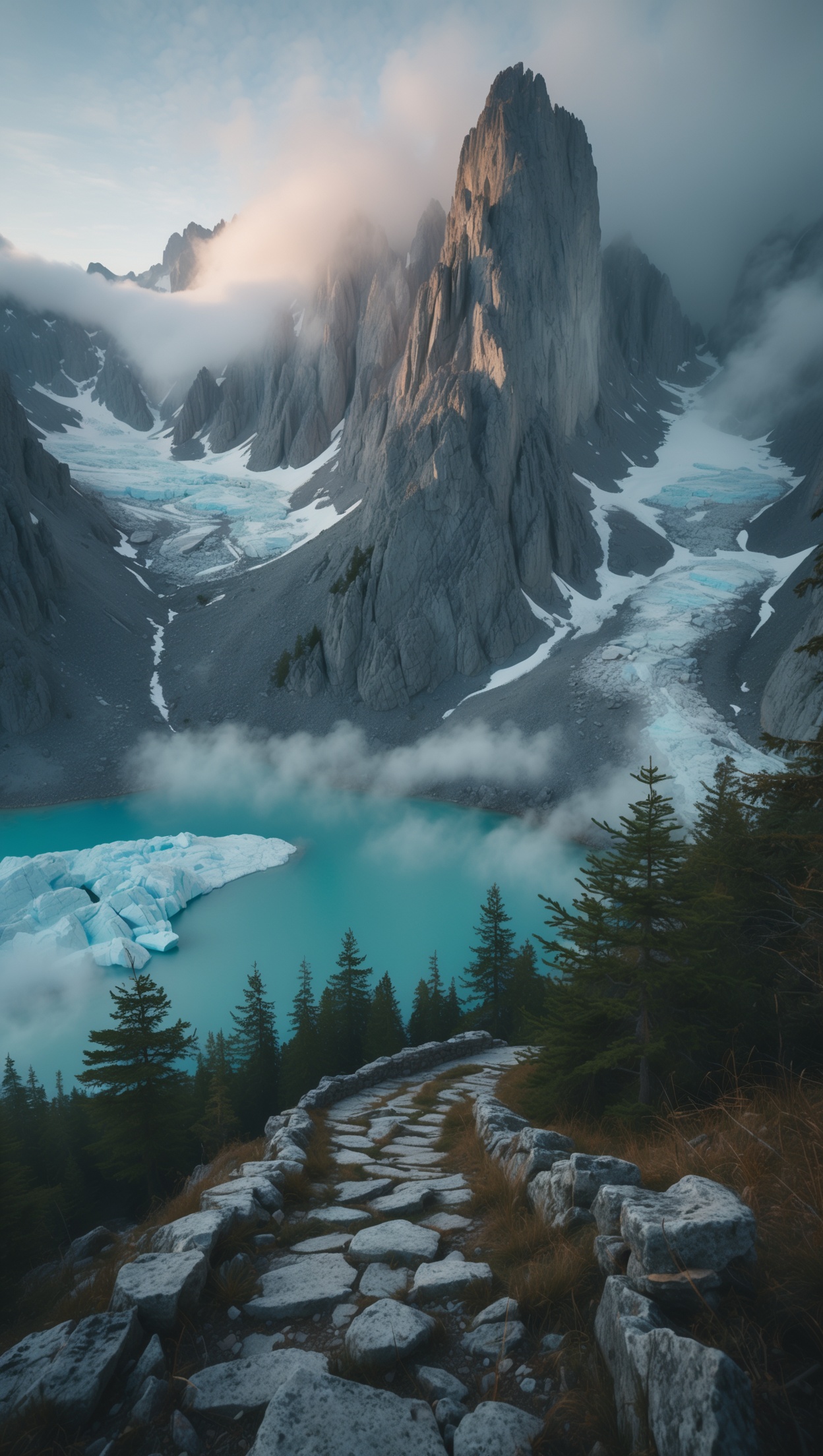
Sitting beneath Mont Blanc, Western Europe's highest peak, Chamonix is a magnet for mountaineers, paragliders and freeriders. In summer, the Aiguille du Midi cable car lifts hikers to 3,842 metres, opening access to high-alpine trails and glacier walks. In winter, the off-piste terrain is legendary. The Vallée Blanche — a 20-kilometre glacier descent — is one of the most spectacular skiing routes on earth.
Innsbruck, Austria
Austria's Tyrolean capital punches well above its weight for outdoor adventure. Via ferrata routes begin practically at the city's edge, while the surrounding Karwendel range rewards serious hikers with dramatic limestone scenery. Mountain biking trails descend directly into town, and the nearby Stubai Glacier extends the skiing season well into spring.
Norwegian Fjords: Kayak, Hike and Dive
Norway's fjord landscape is one of the most dramatic on the planet. The Sognefjord — the longest and deepest fjord in the country — and the UNESCO-listed Nærøyfjord offer world-class sea kayaking through mirror-calm water surrounded by walls of rock rising hundreds of metres overhead.
On land, the hike to Trolltunga (22 kilometres return, moderate to challenging) rewards with one of Europe's most photographed cliff ledges. The trail to Preikestolen (Pulpit Rock) is shorter but equally dramatic, finishing at a flat granite plateau 604 metres above the Lysefjord. Both hikes are best attempted from late May to early October.
- Best for: Sea kayaking, hiking, BASE jumping, glacier walks
- Base town: Flåm or Stavanger
- Season: June to September for hiking; winter for northern lights snowshoeing
The Dolomites, Italy: Via Ferrata Capital of Europe
The Dolomites in northeastern Italy are the birthplace of via ferrata — the iron-rung mountain routes that allow non-climbers to scale vertical rock faces safely. Routes range from beginner-friendly walks with light scrambling to full-day technical ascents demanding harness, helmet and real commitment.
The Alta Via 1 long-distance trail traverses the range over 10 days, passing through remote valleys and traditional mountain huts (rifugi) where hearty South Tyrolean meals await. The Tre Cime di Lavaredo circuit remains one of the most iconic half-day hikes in the Alps, best walked at sunrise to avoid crowds.
Key Adventure Activities in the Dolomites
- Via ferrata on the Cinque Torri and Sella Group
- Rock climbing in the Val Gardena and Cortina d'Ampezzo areas
- Mountain biking on the Sella Ronda circuit
- Winter ski touring on high-alpine terrain
Scotland's Highlands: Wild and Untamed
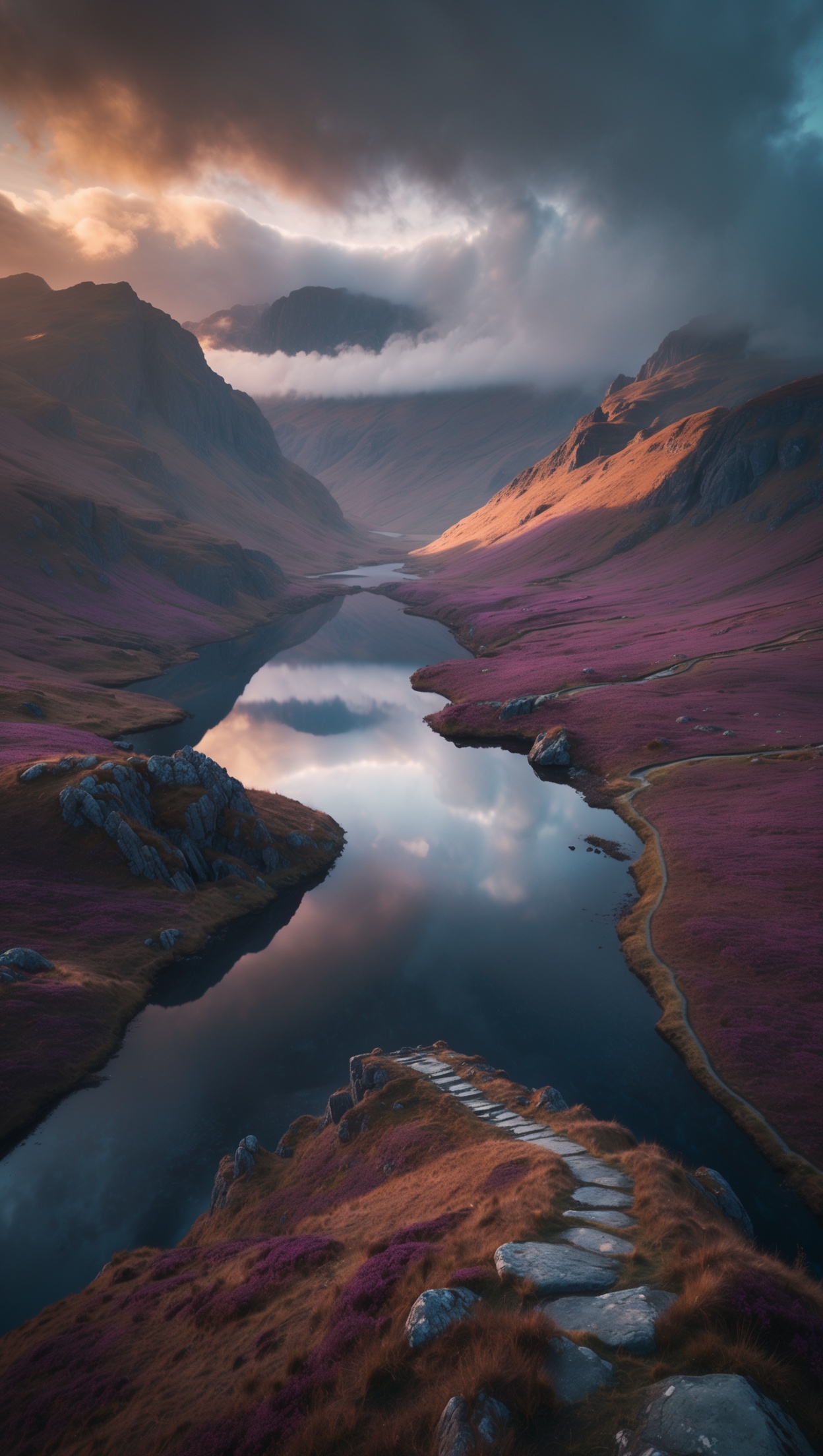
Scotland's northwest Highlands offer a raw, wind-scoured wilderness that feels genuinely remote even by European standards. The Cape Wrath Trail (350 kilometres, no waymarks, no maintained path) is considered one of Britain's toughest long-distance routes. The West Highland Way is a more accessible classic — 154 kilometres from Milngavie to Fort William, passable in seven to eight days.
The Isle of Skye adds a coastal adventure dimension: kayaking around the Trotternish Peninsula, scrambling the exposed Cuillin Ridge and wild camping under vast open skies. Scotland's right to roam legislation means walkers can camp almost anywhere on open land, making it a uniquely free adventure playground.
The Azores, Portugal: Atlantic Adventure Hub
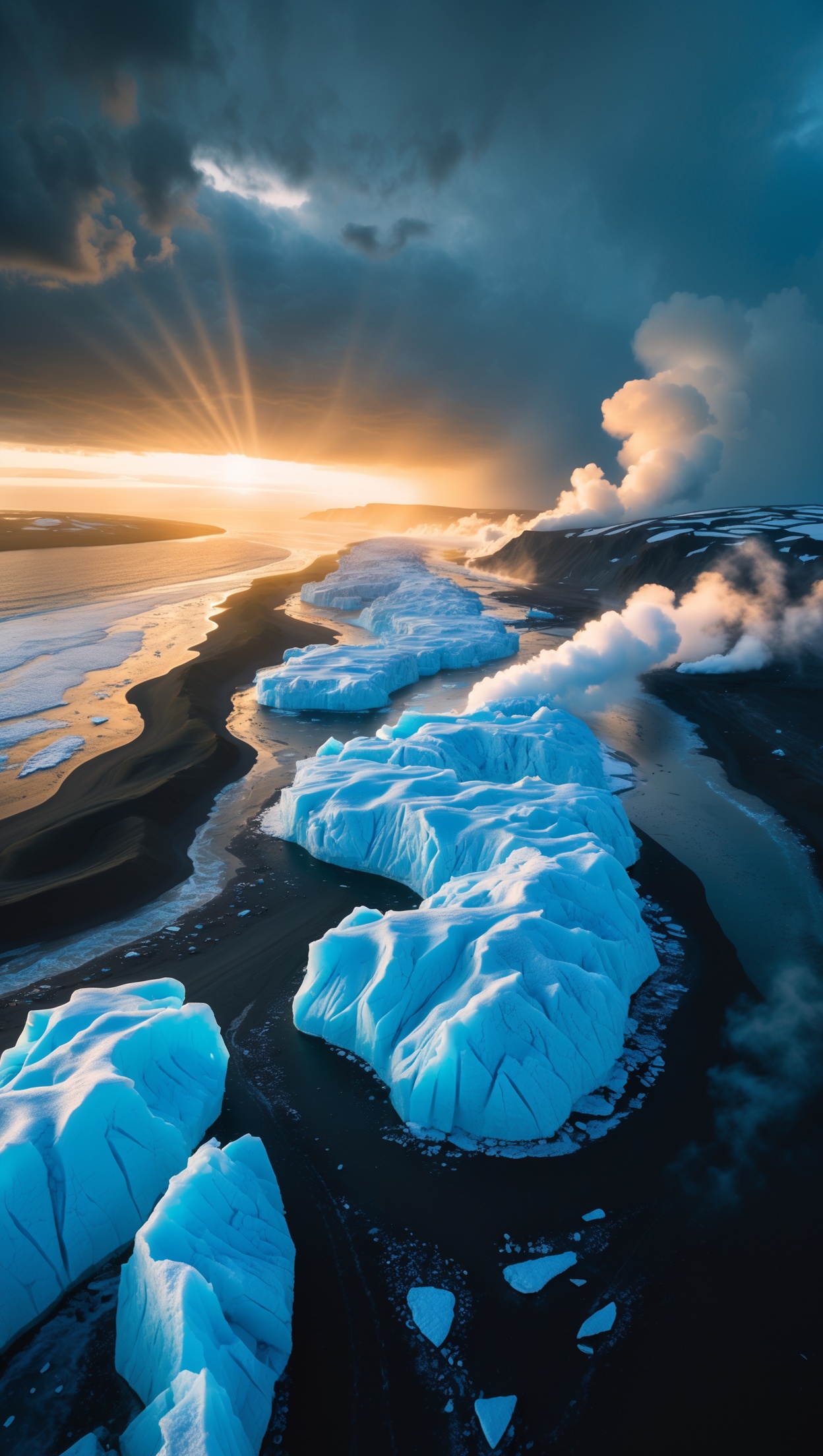
The nine volcanic islands of the Azores sit in the mid-Atlantic, roughly 1,500 kilometres west of Lisbon. What they lack in distance from Europe, they more than make up for in adventure density. São Miguel alone offers whale watching, canyoning in lava tubes, surfing on black-sand beaches, crater lake hiking and thermal hot springs — all within a single island the size of a small county.
Faial and Pico offer world-class diving in clear Atlantic waters, while Pico Mountain — Portugal's highest peak at 2,351 metres — can be summited in a challenging five-to-six hour ascent from sea level. The contrast of volcanic summit and ocean horizon is unlike anything found on the European mainland.
Slovenia: Europe's Hidden Adventure Gem
Small in size but enormous in outdoor appeal, Slovenia is arguably the most underrated adventure destination in Europe. The Soča Valley is famous for its impossibly turquoise river — perfect for white-water kayaking, rafting and canyoning. The river runs through the Triglav National Park, where the country's highest peak (2,864 metres) draws alpine climbers and ski mountaineers.
Lake Bled provides a gentler but still active introduction: stand-up paddleboarding on the lake, cycling the surrounding hills and canyoning in the Vintgar Gorge just minutes away. For paragliding, the launch site above Lake Bohinj offers one of the most scenic flights in Central Europe.
Why Slovenia Works for Adventure Travellers
- Compact geography means multiple activity zones within easy driving distance
- Well-maintained trails and a strong outdoor guiding industry
- Lower visitor numbers than comparable Alpine destinations
- Excellent value for accommodation and guided experiences
Practical Tips for Planning Your European Adventure
Across all these destinations, a few principles apply. Travel in shoulder season (May–June or September–October) to avoid peak crowds on popular trails. Invest in quality kit — particularly boots, waterproofs and navigation tools. Check local regulations for wild camping, as rules vary significantly between countries. And always register your plans with a responsible contact when heading into remote terrain.
For destinations where local expertise genuinely enhances safety and experience — whether that is reading weather windows in the Norwegian fjords or navigating unmarked routes in the Scottish Highlands — booking through GoWithGuide connects you with verified, experienced local guides you can message directly before committing.
If you want to explore Europe's best adventure destinations with an expert by your side, you can book a fully customizable private tour via GoWithGuide — including direct messaging with verified local guides before booking — to get the most out of every trail, summit and coastline.