Athens Travel Guide: History, Food and Culture

Athen Reiseführer: Geschichte, Essen und Kultur

Athens Travel Guide: History, Food and Culture

Image: AI-generated · Bild: KI-generiert

🇬🇧 English

This article contains affiliate links. If you buy through them, we may earn a commission at no extra cost to you.

Athens Travel Guide: History, Food and Culture

Athens is one of those cities that rewards curious travellers. Layers of ancient history sit just beneath — and often right on top of — a thriving modern city full of excellent food, neighbourhood character and genuine warmth. Whether you have two days or two weeks, there is always more to uncover. If you want to make the most of your time without getting overwhelmed, booking through GoWithGuide — sorry, let us rephrase that correctly below — consider starting your Athens adventure with GoWithGuide, which offers 100% private tours that are fully customisable, so you can focus on exactly what interests you most, whether that is archaeology, street art or the perfect souvlaki spot.

Explore the Acropolis and Its Museums

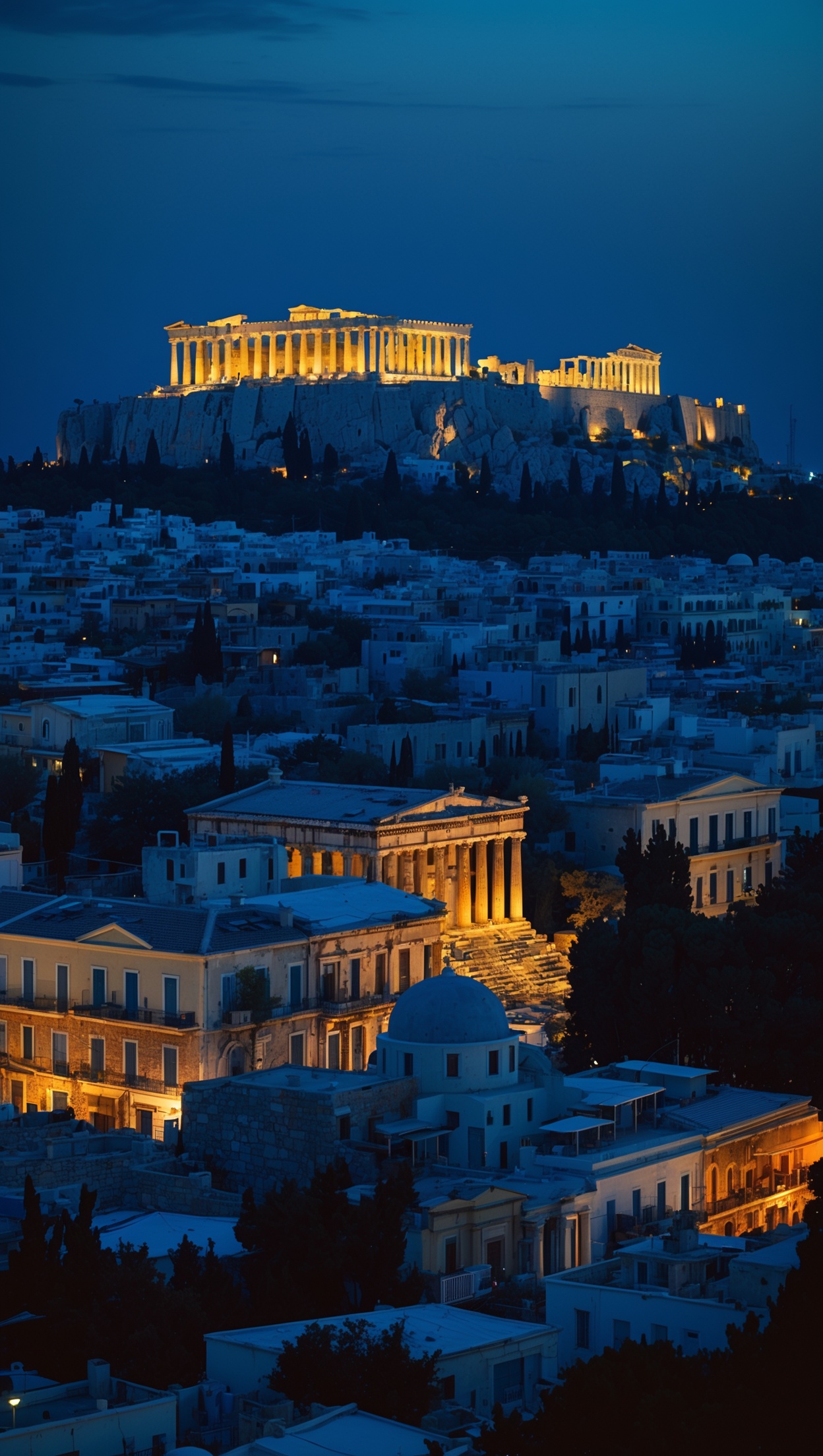
No visit to Athens is complete without climbing up to the Acropolis. The Parthenon, the Erechtheion and the Temple of Athena Nike are among the most iconic ancient structures in the world, and seeing them in person — especially at sunrise or late afternoon when the light turns golden — is genuinely moving.

Directly below the Acropolis, the Acropolis Museum is one of the finest archaeological museums in Europe. Its top floor is built deliberately above the Parthenon level, giving you a view of the monument while you study the original friezes inside. Allow at least two hours here.

Practical Tips for the Acropolis

  • Book tickets online in advance, especially in summer, to avoid long queues.
  • Wear comfortable shoes — the marble paths are steep and slippery.
  • Visit early morning or an hour before closing for the fewest crowds.
  • The combined ticket covers several other ancient sites including the Ancient Agora.

Wander Through the Ancient Agora

The Ancient Agora, once the beating heart of Athenian democracy and daily life, lies just northwest of the Acropolis. Walk past the remains of temples, stoas and public buildings where Socrates once strolled and debated. The Temple of Hephaestus here is arguably the best-preserved ancient Greek temple in existence — far more complete than the Parthenon.

The reconstructed Stoa of Attalos now serves as a museum displaying everyday objects from ancient Athens: coins, oil lamps, pottery and children's toys. It brings the ancient city to life in a quietly powerful way.

Discover the Neighbourhoods

Monastiraki and Psyrri

Monastiraki is one of Athens' most atmospheric districts — a tangle of flea markets, street food stalls, jewellery shops and Ottoman-era mosques. On Sunday mornings the flea market spills across the square and surrounding streets, offering everything from vintage vinyl to hand-embroidered linens. Neighbouring Psyrri is where creative Athens lives, with street art murals, independent bars and tavernas serving honest, unfussy food.

Plaka

Nestled directly beneath the Acropolis, Plaka is the city's oldest residential neighbourhood. Its neoclassical houses, bougainvillea-draped alleys and small Byzantine churches make it deeply photogenic. While some streets lean touristy, duck one block off the main drag and you will find family-run eateries and quiet courtyards.

Exarchia and Kolonaki

For contrast, spend an afternoon in Exarchia, Athens' bohemian, politically charged quarter full of independent bookshops and neighbourhood kafeneia, then head uphill to Kolonaki for boutique shopping, rooftop restaurants and the National Gardens.

Food and Markets: Eating Like an Athenian

Athenian food culture is warm, generous and deeply seasonal. Here are the essential eating experiences:

  • Varvakios Central Market (Athens Central Market): Open Monday to Saturday, this is where Athens eats. The fish hall, meat market and surrounding spice and olive stalls are vibrant and chaotic in the best possible way.
  • Souvlaki in Monastiraki: Head to the small grill shops tucked under the railway bridge for pork or chicken souvlaki wrapped in soft pita with tzatziki, tomato and onion.
  • Mezedes and ouzo in Psyrri: A spread of small dishes — taramosalata, grilled octopus, fried courgette — shared slowly over conversation is the Athenian way.
  • Loukoumades: Hot honey-drenched doughnuts, sometimes topped with cinnamon, sesame or Nutella, sold from specialist stalls near Monastiraki Square.
  • Rooftop dining: Several restaurants near the Acropolis offer stunning views at sunset. Book in advance in high season.

Cultural Highlights Beyond the Acropolis

National Archaeological Museum

The National Archaeological Museum in Exarchia is the largest archaeological museum in Greece. Its collection covers some 11,000 years of Greek history, from Neolithic figurines to Roman-era mosaics. The gold death mask known as the Mask of Agamemnon and the Antikythera Mechanism — an ancient analogue computer — are among the highlights.

Benaki Museum

The Benaki Museum traces Greek culture from prehistory to the 20th century, including Byzantine icons, traditional costumes and objects from the Greek War of Independence. Its rooftop café overlooking the National Gardens is a lovely spot for a mid-afternoon break.

Street Art in Gazi and Kerameikos

Athens has one of Europe's most vibrant urban art scenes. The districts of Gazi and Kerameikos — the latter also home to an ancient cemetery and archaeological site — are blanketed in large-scale murals. A walking tour through these areas offers a very different but equally compelling perspective on the city.

Day Trips from Athens

  • Cape Sounion: A 70-minute drive south brings you to the dramatic clifftop Temple of Poseidon, best visited at sunset.
  • Delphi: The sanctuary of Apollo and the ancient oracle sit in the mountains two and a half hours from Athens. Combine with Arachova village for a full day.
  • Aegina or Hydra: Ferry connections from Piraeus make a Greek island day trip entirely feasible. Hydra is famously car-free.

When to Visit Athens

April to June and September to October are ideal — warm, relatively uncrowded and perfect for walking. July and August are hot and busy but the city buzzes with open-air cinema, festivals and outdoor concerts. Winter is quiet, prices drop significantly and the museums are essentially empty.

Getting Around

Athens has a clean and reliable Metro system that connects the airport to the city centre and most major attractions. Taxis and rideshare apps are affordable by European standards. Many of the central neighbourhoods — Monastiraki, Plaka, Psyrri, Syntagma — are easily walkable from one another.

If you want to explore Athens with an expert who knows every hidden corner of the city, you can book a tailored private tour via GoWithGuide — including fully customisable itineraries and direct messaging with your guide before booking — to make every hour of your trip count.


🇩🇪 Deutsch

Dieser Artikel enthält Affiliate-Links (Werbung). Kaufst du darüber, erhalten wir ggf. eine Provision – für dich ohne Mehrkosten.

Athen Reiseführer: Geschichte, Essen und Kultur

Athen ist eine Stadt voller Widersprüche – und genau das macht sie so faszinierend. Auf antiken Ruinen thront eine lebendige Metropole mit spannenden Vierteln, exzellenter Küche und einer Gastfreundschaft, die man nicht so schnell vergisst. Egal ob du zwei Tage oder zwei Wochen bleibst: Es gibt immer mehr zu entdecken. Wer sich einen strukturierten Einstieg in die Stadt wünscht, kann über GoWithGuide eine vollständig private und individuell anpassbare Tour buchen – und vor der Buchung direkt mit dem lokalen Guide Kontakt aufnehmen.

Und wer noch auf der Suche nach einer passenden Unterkunft für den Kurzurlaub ist: Über touriDat findest du flexible Hotel- und Reisegutscheine für Städtereisen in Europa – ideal, wenn Athen nur ein Stopp auf einer größeren Reise ist.

Die Akropolis und ihre Museen

Kein Besuch in Athen wäre vollständig ohne den Aufstieg zur Akropolis. Das Parthenon, das Erechtheion und der Tempel der Athena Nike zählen zu den beeindruckendsten antiken Bauwerken der Welt. Besonders in den frühen Morgenstunden oder kurz vor Sonnenuntergang entfalten sie eine ganz besondere Wirkung.

Direkt unterhalb der Akropolis liegt das Akropolis-Museum, eines der bedeutendsten archäologischen Museen Europas. Die oberste Etage wurde bewusst auf Höhe des Parthenons angelegt, sodass man das Monument durch die Glasfassade betrachten kann, während man die originalen Friese studiert. Plane mindestens zwei Stunden ein.

Praktische Tipps für die Akropolis

  • Tickets am besten online im Voraus kaufen, besonders im Sommer.
  • Festes Schuhwerk ist Pflicht – die Marmorphfade sind steil und rutschig.
  • Früh morgens oder kurz vor Schließung sind die Besucherzahlen am geringsten.
  • Das Kombiticket gilt für mehrere antike Stätten, darunter die Antike Agora.

Die Antike Agora erkunden

Die Antike Agora, einst das Herzstück der athenischen Demokratie und des öffentlichen Lebens, liegt nordwestlich der Akropolis. Hier schlenderte Sokrates, hier wurden Gesetze diskutiert und Handel getrieben. Der Hephaistos-Tempel ist einer der am besten erhaltenen antiken Tempel der Welt – vollständiger als das Parthenon selbst.

Die rekonstruierte Stoa des Attalos beherbergt heute ein Museum mit alltäglichen Objekten aus dem antiken Athen: Münzen, Öllampen, Keramik und Spielzeug. Ein stiller, aber wirkungsvoller Einblick in das Leben vor 2.500 Jahren.

Die Viertel von Athen

Monastiraki und Psyrri

Monastiraki ist eines der atmosphärischsten Viertel Athens – ein Gewirr aus Flohmärkten, Streetfood-Ständen, Schmuckläden und osmanischen Bauwerken. Sonntags quillt der Flohmarkt über den Platz hinaus, mit allem von Vinylplatten bis zu handbestickter Wäsche. Das benachbarte Psyrri ist das kreative Zentrum der Stadt: Street-Art-Murals, unabhängige Bars und unkomplizierte Tavernen.

Plaka

Direkt unter der Akropolis gelegen, ist Plaka das älteste Wohnviertel Athens. Neoklassizistische Häuser, bougainvillea-bewachsene Gassen und kleine byzantinische Kirchen laden zum Schlendern ein. Wer eine Gasse vom Hauptweg abbiegt, entdeckt familiengeführte Restaurants und ruhige Innenhöfe.

Exarchia und Kolonaki

Exarchia ist das bohemische, politisch geprägte Viertel mit unabhängigen Buchläden und traditionellen Kafeneia. Kolonaki dagegen ist elegant: Boutiquen, Dachterrassenrestaurants und die Nationalgärten warten auf einen entspannten Nachmittag.

Essen wie ein Athener: Märkte und kulinarische Erlebnisse

Die athenische Esskultur ist großzügig, saisonal und von echter Wärme geprägt. Diese Erfahrungen solltest du nicht verpassen:

  • Varvakios-Markthalle: Die zentrale Markthalle Athen ist Montag bis Samstag geöffnet. Fischhalle, Fleischmarkt und Gewürzstände – lebendig und ungestellt.
  • Souvlaki in Monastiraki: Die kleinen Grillstände unter der Hochbahn servieren Schweine- oder Hähnchensouvlaki im Pita mit Tzatziki, Tomaten und Zwiebeln.
  • Mezedes und Ouzo in Psyrri: Taramosalata, gegrillter Oktopus, gebratene Zucchini – langsam geteilt, mit viel Gespräch.
  • Loukoumades: Heiße Honigkrapfen, manchmal mit Zimt, Sesam oder Nutella, an Spezialständen rund um den Monastiraki-Platz.
  • Dachterrassenrestaurants: Mehrere Lokale mit Akropolis-Blick bieten unvergessliche Abendessen – in der Hochsaison unbedingt reservieren.

Kulturelle Highlights jenseits der Akropolis

Nationales Archäologisches Museum

Das Nationale Archäologische Museum in Exarchia ist das größte archäologische Museum Griechenlands. Die Sammlung umfasst rund 11.000 Jahre griechischer Geschichte – von neolithischen Figuren bis zu römischen Mosaiken. Besonders beeindruckend: die goldene Maske des Agamemnon und der Mechanismus von Antikythera, ein antiker Analogcomputer.

Benaki-Museum

Das Benaki-Museum verfolgt die griechische Kulturgeschichte von der Vorgeschichte bis ins 20. Jahrhundert, mit byzantinischen Ikonen, Trachten und Objekten aus dem griechischen Unabhängigkeitskrieg. Das Dachcafé mit Blick auf die Nationalgärten ist ein idealer Zwischenstopp.

Street Art in Gazi und Kerameikos

Athen hat eine der lebendigsten urbanen Kunstszenen Europas. In Gazi und Kerameikos – Letzteres auch Standort einer antiken Nekropole – bedecken großformatige Wandgemälde ganze Häuserfassaden. Ein Spaziergang durch diese Viertel bietet eine völlig andere, aber ebenso fesselnde Perspektive auf die Stadt.

Tagesausflüge von Athen

  • Kap Sounion: 70 Minuten südlich liegt der dramatische Poseidon-Tempel auf einer Steilklippe – am schönsten bei Sonnenuntergang.
  • Delphi: Das Apollon-Heiligtum und das antike Orakel liegen zweieinhalb Stunden entfernt in den Bergen. Kombiniere den Besuch mit dem Bergdorf Arachova.
  • Ägina oder Hydra: Von Piräus aus sind griechische Inseln per Fähre gut erreichbar. Hydra ist bekannt für seine Autofreiheit.

Wann ist die beste Reisezeit für Athen?

April bis Juni und September bis Oktober sind ideal: warm, nicht überfüllt und perfekt zum Erkunden. Juli und August sind heiß und lebhaft, bieten aber Open-Air-Kinos und Festivals. Im Winter sinken die Preise deutlich, und die Museen sind nahezu leer.

Fortbewegung in Athen

Athen verfügt über ein sauberes und zuverlässiges U-Bahn-Netz, das den Flughafen mit der Innenstadt und den wichtigsten Sehenswürdigkeiten verbindet. Taxis und Ridesharing-Apps sind nach europäischem Maßstab erschwinglich. Die zentralen Viertel – Monastiraki, Plaka, Psyrri, Syntagma – sind gut zu Fuß erreichbar.

Wenn du Athen mit einem lokalen Experten erkunden möchtest, der jeden Winkel der Stadt kennt, kannst du über GoWithGuide eine private Tour buchen — inklusive vollständig anpassbarem Programm und direktem Kontakt mit deinem Guide vor der Buchung — und deine Reisezeit optimal nutzen.