This article contains affiliate links. If you buy through them, we may earn a commission at no extra cost to you.
Best Things to Do in Rome: Ancient History Meets Modern Life
Rome is unlike any other city on earth. In a single afternoon you can stand inside a 2,000-year-old amphitheatre, sip a perfect espresso at a marble bar, toss a coin into a baroque fountain, and watch the sun melt into terracotta rooftops over a glass of Frascati. The Eternal City layers civilisations like geological strata — and every layer rewards the curious traveller. Whether you have three days or a full week, here is your essential guide to the best things to do in Rome.
Step Inside Ancient History
The Colosseum & Roman Forum
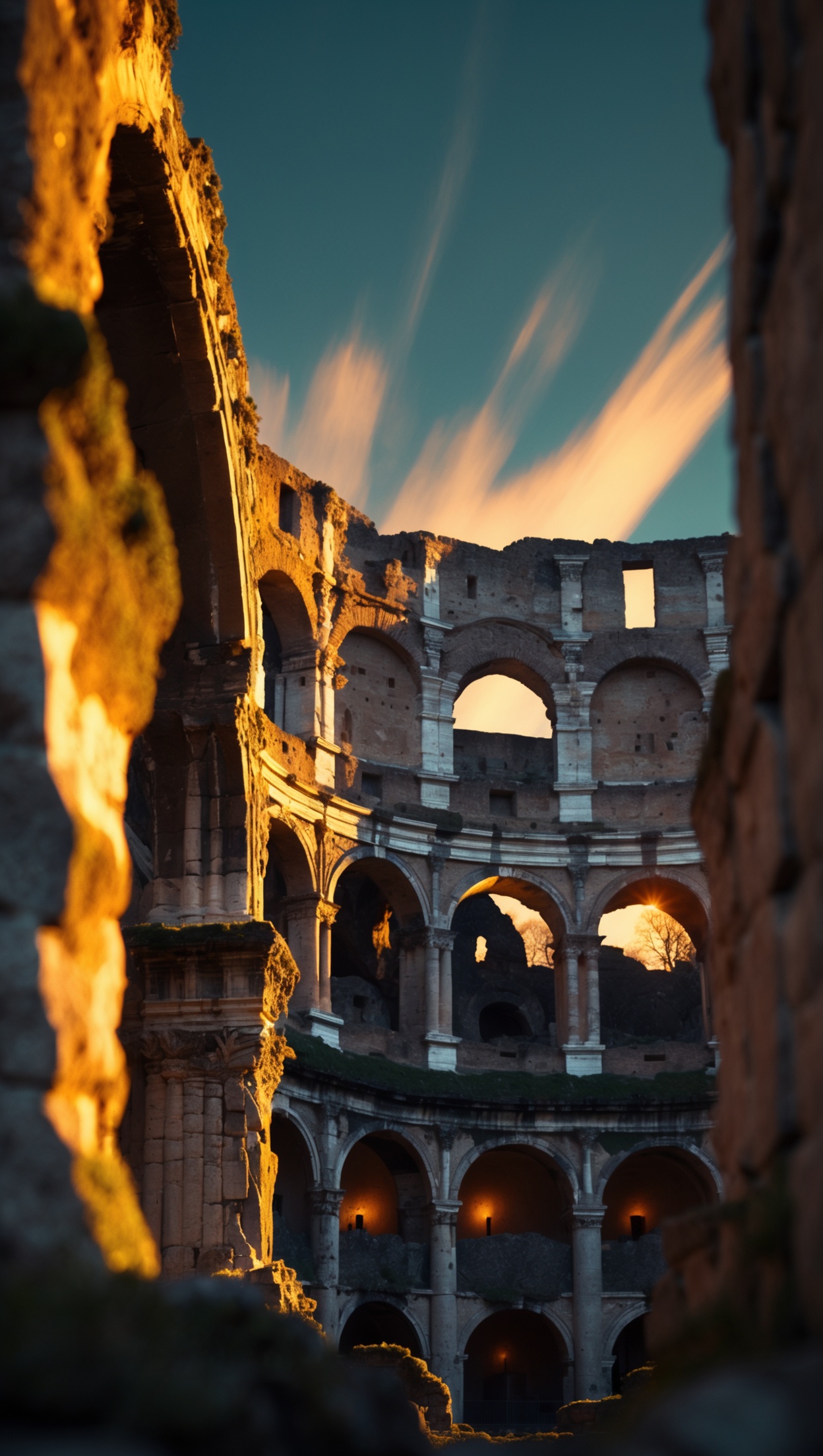
No visit to Rome is complete without standing on the arena floor of the Colosseum. Built between AD 70 and 80, this colossal amphitheatre once held up to 80,000 spectators. Book your skip-the-line ticket well in advance — queues can stretch over two hours in peak season. Directly beside it, the Roman Forum and Palatine Hill are included on the same ticket and deserve at least two hours of exploration. Walking among the ruined temples and triumphal arches, it is easy to imagine the heartbeat of the ancient world. Use a guided tour from GoWithGuide to get the full historical context — a knowledgeable local guide transforms scattered stones into living stories.
The Pantheon
The Pantheon is arguably the best-preserved ancient building in the world. Step through its enormous bronze doors and crane your neck towards the 43-metre oculus — a perfect circle open to the Roman sky. Since 2023, a small entrance fee applies, which helps fund ongoing conservation. The piazza outside, Piazza della Rotonda, is perfect for a mid-morning coffee at one of the surrounding café terraces.
Baroque Splendour & Artistic Treasures
Vatican City & the Sistine Chapel
Technically its own sovereign state, Vatican City packs an extraordinary density of artistic genius into a remarkably small footprint. The Vatican Museums house one of the world's greatest art collections, culminating in Michelangelo's breathtaking ceiling in the Sistine Chapel. Pre-booking is absolutely essential — visit the official Vatican Museums website or arrange an early-access tour through GoWithGuide to beat the crowds. St Peter's Basilica and its dome climb are free and unmissable.
Borghese Gallery
Tucked inside the lush Villa Borghese gardens, this intimate gallery holds some of Bernini's most astonishing sculptures, including Apollo and Daphne and The Rape of Proserpina. Entry is strictly by timed reservation — book weeks ahead in summer. Afterwards, rent a rowing boat on the small lake or cycle through the parkland.
Trevi Fountain & the Spanish Steps
The Trevi Fountain, completed in 1762, is the most dramatic baroque set-piece in a city full of them. Arrive before 8 am for the best light and fewest fellow visitors. Toss your coin over your left shoulder with your right hand — legend guarantees your return to Rome. A short walk north brings you to the Spanish Steps, 135 travertine steps cascading down from the Trinità dei Monti church, ideal for people-watching and sunset photography.
Neighbourhood Life: Rome Beyond the Monuments
Trastevere
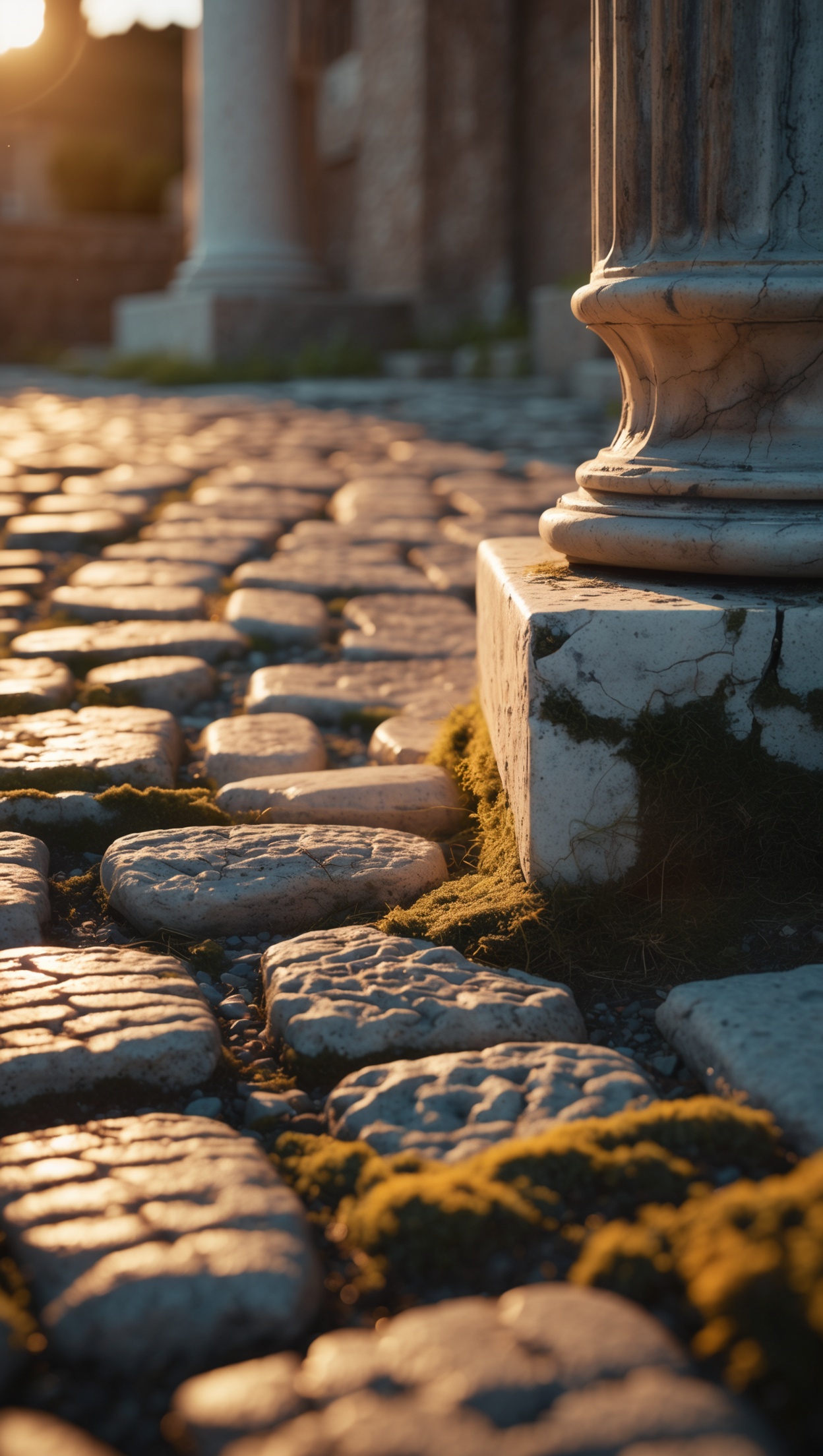
Trastevere is the soul of old Rome. Its cobbled lanes, ivy-draped medieval churches, and sun-faded ochre buildings have resisted modernisation with admirable stubbornness. Spend a leisurely evening here — aperitivo at a street-side bar, followed by cacio e pepe at a family trattoria. The neighbourhood feels like a living film set, and it never disappoints.
Testaccio
For an authentic, working-class Roman experience, head to Testaccio. The covered Testaccio Market is one of the best food markets in the city — pick up supplì (fried rice balls), artisan cheese, and freshly sliced mortadella. The neighbourhood is also home to the Non-Catholic Cemetery, a hauntingly beautiful green space where Keats and Shelley are buried.
Pigneto & Ostiense
Rome's emerging creative districts, Pigneto and Ostiense, showcase the city's contemporary identity. Street art murals line the railway underpasses of Ostiense, and Pigneto's independent bars buzz with students and artists from early evening. This is modern Rome — loud, inventive, and utterly alive.
Day Trips from Rome
- Ostia Antica: Rome's ancient port city, far less crowded than Pompeii and just 30 minutes by suburban train. Mosaic floors, thermal baths, and amphitheatres — all largely intact.
- Tivoli: Home to Villa d'Este with its extraordinary Renaissance gardens and hundreds of fountains, and Hadrian's Villa, the emperor's sprawling countryside retreat.
- Castelli Romani: Rolling volcanic hills south-east of the city, dotted with hilltop villages and lakeside restaurants serving the local Frascati white wine.
Practical Tips for Visiting Rome
Getting Around
Rome's historic centre is wonderfully walkable — most major sites lie within a 30-minute walk of each other. The metro is useful for longer journeys but has only two main lines. Buses cover the gaps, though traffic can make them slow. For day trips, regional trains depart from Roma Termini and Roma Ostiense stations.
Stay Connected
If you are travelling from Germany, Austria, or Switzerland, consider picking up a data SIM before you fly. travSIM DACH offers excellent EU roaming SIM cards designed specifically for DACH travellers — reliable connectivity means you can navigate Rome's labyrinthine streets with confidence and share every golden moment in real time.
Finding Accommodation
Rome rewards those who stay centrally. The historic centre, Trastevere, and Prati (just across the river from the Vatican) are ideal bases. For curated hotel deals and competitive rates, browse touriDat — the platform regularly features Rome properties at attractive prices. Whether you prefer a boutique hotel on a medieval lane or a sleek modern apartment near the Colosseum, touriDat makes it easy to compare and book with confidence.
When to Visit
Rome is a year-round destination, but April–June and September–October offer the sweetest balance of warm weather, manageable crowds, and golden light for photography. July and August are intensely hot and extremely busy. Winter Rome — from November through February — is quieter, cheaper, and has a melancholic beauty all of its own.
Final Thoughts
Rome does not ask for your attention — it simply commands it. From the thunderous echo inside the Colosseum to the hiss of an espresso machine in a neighbourhood bar, every sense is engaged, every moment layered with history and humanity. Plan well, book key attractions in advance through GoWithGuide, sort your connectivity with travSIM DACH, and secure your accommodation through touriDat. Then surrender yourself to one of the world's greatest cities — it will give back far more than you bargain for.
Plan your trip with our trusted travel partners: touriDat for curated hotel & experience deals across Europe. Some links are affiliate links.