This article contains affiliate links. If you buy through them, we may earn a commission at no extra cost to you.
Budapest Travel Guide: Everything You Need to Know
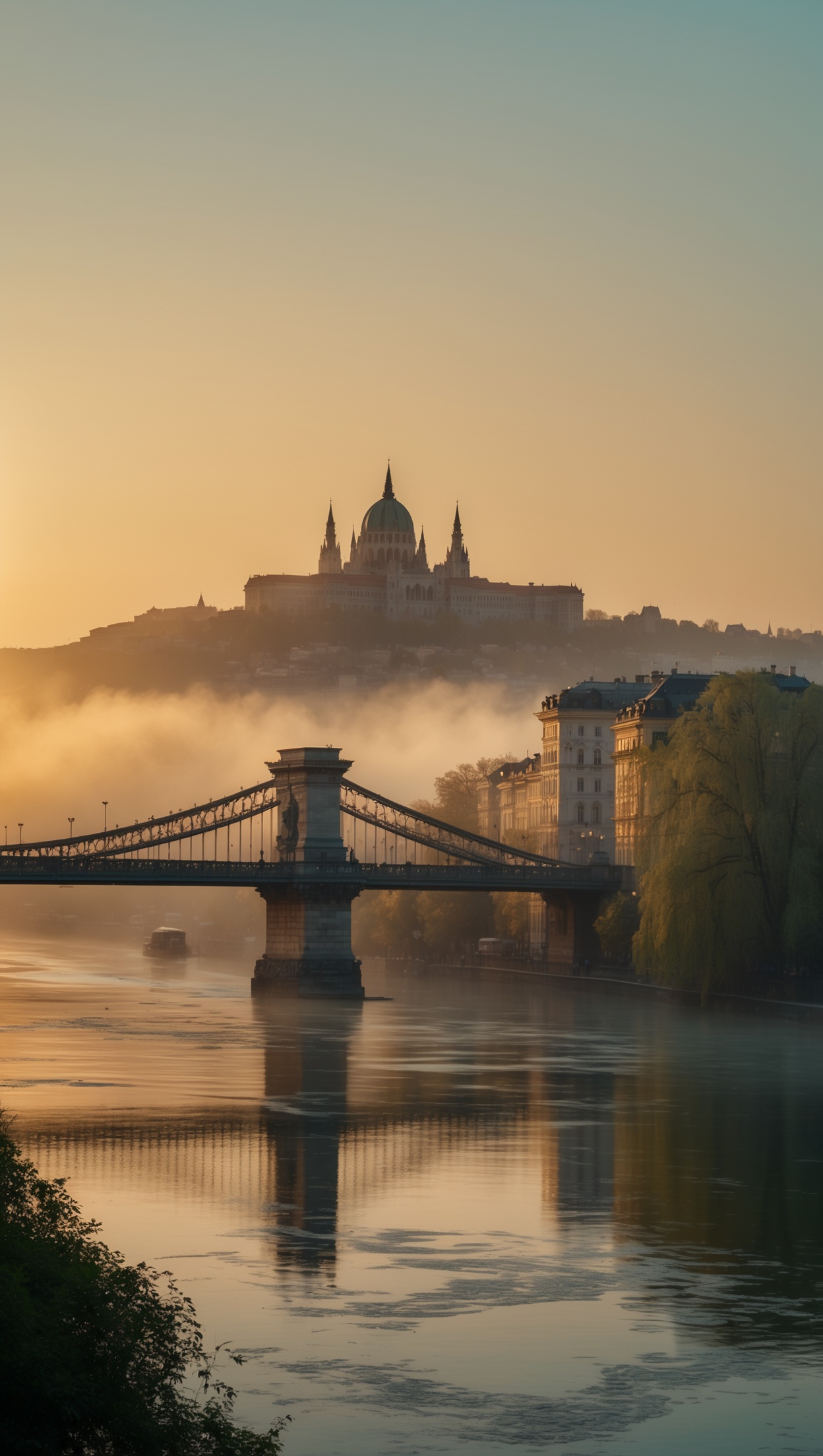
Few cities in Europe manage to feel simultaneously ancient and electric. Budapest, Hungary's grand capital straddling the Danube River, is one of them. With its dramatic hilltop castle, ornate thermal baths, ruin bars, and a skyline that glows like amber at dusk, Budapest rewards every kind of traveller — the culture seeker, the foodie, the history lover, and the spontaneous wanderer alike.
Whether you are planning your very first visit or returning for another chapter, this guide covers everything you need to know before you go. And when you are ready to book, check out touriDat for curated hotel deals and travel packages, or explore guided experiences through GoWithGuide.
Why Visit Budapest?
Budapest consistently ranks among Europe's most beautiful and affordable capitals. Split into two distinct halves — Buda on the hilly western bank and Pest on the flat eastern side — the city offers a remarkable contrast of quiet cobblestone alleys and buzzing urban avenues. UNESCO has recognised the entire Buda Castle Quarter and the banks of the Danube as a World Heritage Site, which tells you everything you need to know about the city's visual power.
- Stunning architecture spanning Gothic, Baroque, and Art Nouveau periods
- A thermal bath culture dating back to Roman and Ottoman times
- A world-class food and craft beer scene
- Excellent value for money compared to Paris, Vienna or Prague
- A thriving arts, music and nightlife culture
Top Attractions in Budapest
Buda Castle & Castle Hill
Perched above the Danube, Buda Castle is the city's most iconic landmark. Take the funicular up from Chain Bridge or hike through cobblestone streets to reach the palace complex, which houses the Hungarian National Gallery and the Budapest History Museum. The views from the ramparts — across the river to the Parliament Building and beyond — are simply unforgettable.
Fisherman's Bastion
Just a short walk from the castle, Fisherman's Bastion is one of Budapest's most photographed spots. Its fairy-tale turrets and open terraces offer a panoramic sweep of the Danube and Pest's grand boulevard below. Visit at sunrise if you can — the golden light on the white stone is extraordinary and the crowds are minimal.
Hungarian Parliament Building
Visible from almost anywhere along the Pest embankment, the Parliament Building is one of the largest and most ornate legislative buildings in the world. Book a guided interior tour well in advance — the Crown Jewels of Hungary are displayed inside. You can arrange a seamless guided visit through GoWithGuide, where local experts bring the history to life.
Széchenyi Thermal Bath
No visit to Budapest is complete without soaking in one of its legendary thermal baths. Széchenyi, located in City Park, is the largest and arguably the most spectacular — a Neo-Baroque palace of steaming outdoor pools and indoor chambers. Gellért Baths on the Buda side offer a more elegant, Art Nouveau experience. Go early in the morning or late in the evening to avoid peak crowds.
Ruin Bars of the Jewish Quarter
Budapest's signature contribution to global nightlife is the ruin bar — abandoned buildings transformed into eclectic, multi-room bars filled with mismatched furniture, street art and live music. Szimpla Kert is the original and most famous, but the entire VII district is worth exploring after dark. Even if nightlife is not your thing, Szimpla hosts a popular Sunday farmers' market that is very family-friendly.
Budapest's Food Scene
Hungarian cuisine is hearty, flavourful, and deeply comforting. Do not leave without trying:
- Gulyás (Goulash) — the national dish, a rich paprika-spiced beef soup
- Lángos — deep-fried dough topped with sour cream and cheese, best from a street stall
- Chimney Cake (Kürtőskalács) — a sweet spiral pastry, perfect while walking
- Pörkölt — a thick meat stew, usually served with egg noodles
- Dobos Torte — a layered sponge cake with chocolate buttercream and a caramel top
For a truly local dining experience, head to the Great Market Hall on Vámház Boulevard. The ground floor is packed with fresh produce, paprika, and Hungarian wine — the perfect place to stock up on edible souvenirs.
Getting Around Budapest
Budapest has an excellent and affordable public transport network including metro lines, trams, buses and the charming yellow tram line 2 along the Danube. The metro is one of the oldest in Europe and is worth riding for that reason alone. Most major attractions are walkable from one another on the Pest side, while Buda is best explored on foot or by tram.
A Budapest Card gives you unlimited public transport, free or discounted museum entries, and various other perks — excellent value for stays of two or more days. Purchase it online or at the airport before you arrive.
Best Time to Visit Budapest
Spring (April–May) and autumn (September–October) are the sweet spots for visiting Budapest. Temperatures are mild, crowds are manageable, and the city is at its most photogenic — spring blossom along the river, golden autumn leaves on Castle Hill.
Summer brings long days and a vibrant festival calendar including the massive Sziget Festival in August, but also heat and heavy tourist numbers. Winter is cold but magical — Christmas markets line Vörösmarty Square from late November, and the thermal baths feel positively heavenly in the frosty air.
Where to Stay in Budapest
Budapest caters to every budget. The V district (Inner City) and the VI and VII districts on the Pest side are the most convenient locations, placing you within walking distance of the major sights, restaurants and nightlife. For a quieter stay with castle views, consider hotels on the Buda side near Gellért Hill.
Browse a wide selection of accommodations — from boutique guesthouses to five-star river-view hotels — through touriDat. The platform offers competitive rates and often includes breakfast or flexible cancellation, which is particularly useful when travelling to a city as dynamic as Budapest.
Practical Tips for Budapest
- Currency: Hungary uses the Hungarian Forint (HUF), not the Euro. Always pay in local currency to avoid dynamic currency conversion fees.
- Language: Hungarian is complex and unlike most European languages, but locals in tourist areas generally speak English well.
- Tipping: A 10–15% tip is standard in restaurants. Always check the bill — some places add a service charge automatically.
- Safety: Budapest is generally very safe for tourists. As in any major city, keep an eye on your belongings in crowded areas and on public transport.
- Guided Tours: To get under the skin of the city quickly, book a walking tour or private guide through GoWithGuide. Their network of local experts offers everything from culinary walks to architecture deep-dives.
Day Trips from Budapest
Budapest makes an ideal base for exploring the wider region. Within 1–2 hours you can reach:
- Eger — a charming baroque town famous for its castle and wine region
- Lake Balaton — Central Europe's largest lake, perfect in summer
- Szentendre — a picturesque artist village on the Danube Bend
- Vienna, Austria — just 2.5 hours by train, making it an easy overnight or long-weekend extension
Final Thoughts
Budapest is one of those cities that gets under your skin quickly and stays there long after you leave. It is grand without being intimidating, historical without feeling like a museum, and affordable without sacrificing beauty or quality. Whether you spend three days or three weeks here, there is always more to explore.
Start planning your Budapest adventure today. Find your perfect hotel deal through touriDat and book a local guided experience through GoWithGuide — your journey along the Danube is waiting.
Plan your trip with our trusted travel partners: touriDat for curated hotel & experience deals across Europe. Some links are affiliate links.