Canary Islands in Winter: Which Island to Choose

Kanaren im Winter: welche Insel passt zu dir

Canary Islands in Winter: Which Island to Choose

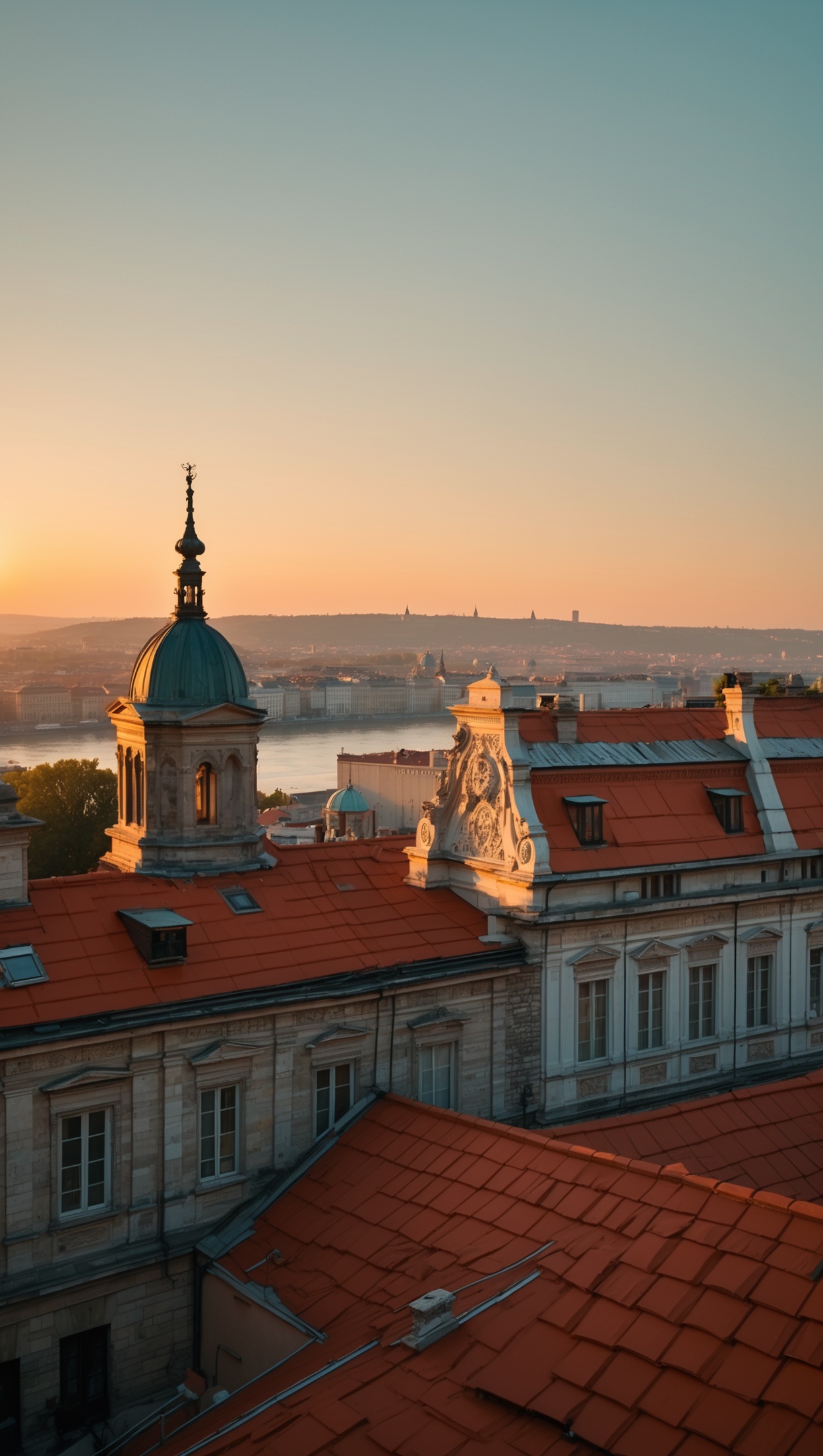
Image: AI-generated · Bild: KI-generiert

🇬🇧 English

This article contains affiliate links. If you buy through them, we may earn a commission at no extra cost to you.

Canary Islands in Winter: Which Island to Choose

The Canary Islands are one of Europe's most reliable winter sun destinations — temperatures between 18 and 24 °C, long daylight hours and direct flights from most European cities make them an easy escape from November through February. But with seven main islands to choose from, the question isn't whether to go. It's which island fits your travel style.

If you want to go beyond the beach and explore the local culture, history and landscapes with someone who really knows the terrain, you can book a private local guide through GoWithGuide — fully customizable tours where you can message your guide directly before booking.

Tenerife: The Island for Everyone

Tenerife is the largest and most visited of the Canary Islands, and for good reason. In winter, the south of the island — around Playa de las Américas and Los Cristianos — offers near-guaranteed sunshine and calm seas. The north is greener, cooler and more atmospheric, with the colonial town of La Laguna (a UNESCO World Heritage Site) and the charming port of Puerto de la Cruz.

The undisputed highlight is Mount Teide, a 3,715-metre volcano and Spain's highest peak. In winter, its summit is often dusted with snow — a surreal sight above the clouds. The national park around Teide is extraordinary for hiking and stargazing.

  • Best for: First-time visitors, families, couples, hikers
  • Winter weather: South: 22–24 °C and sunny; North: 18–20 °C with occasional cloud
  • Don't miss: Teide cable car, Masca gorge, La Laguna's historic centre

Gran Canaria: City Life Meets Desert Dunes

Gran Canaria offers a striking contrast: the lively capital Las Palmas in the north — with its beaches, museums and buzzing food scene — and the dramatic sand dunes of Maspalomas in the south. In winter, the south coast is warm, dry and reliably sunny, making it one of the most consistent winter sun spots in Europe.

The island also has an impressive interior of deep ravines, pine forests and traditional villages that reward exploration. Gran Canaria is often called a continent in miniature, and that description holds up.

  • Best for: City explorers, beach lovers, LGBTQ+ travellers, foodies
  • Winter weather: South: 21–23 °C and dry; Las Palmas: slightly fresher with sea breeze
  • Don't miss: Maspalomas Dunes, Roque Nublo, Vegueta old town in Las Palmas

Lanzarote: Volcanic Landscapes and Artistic Heritage

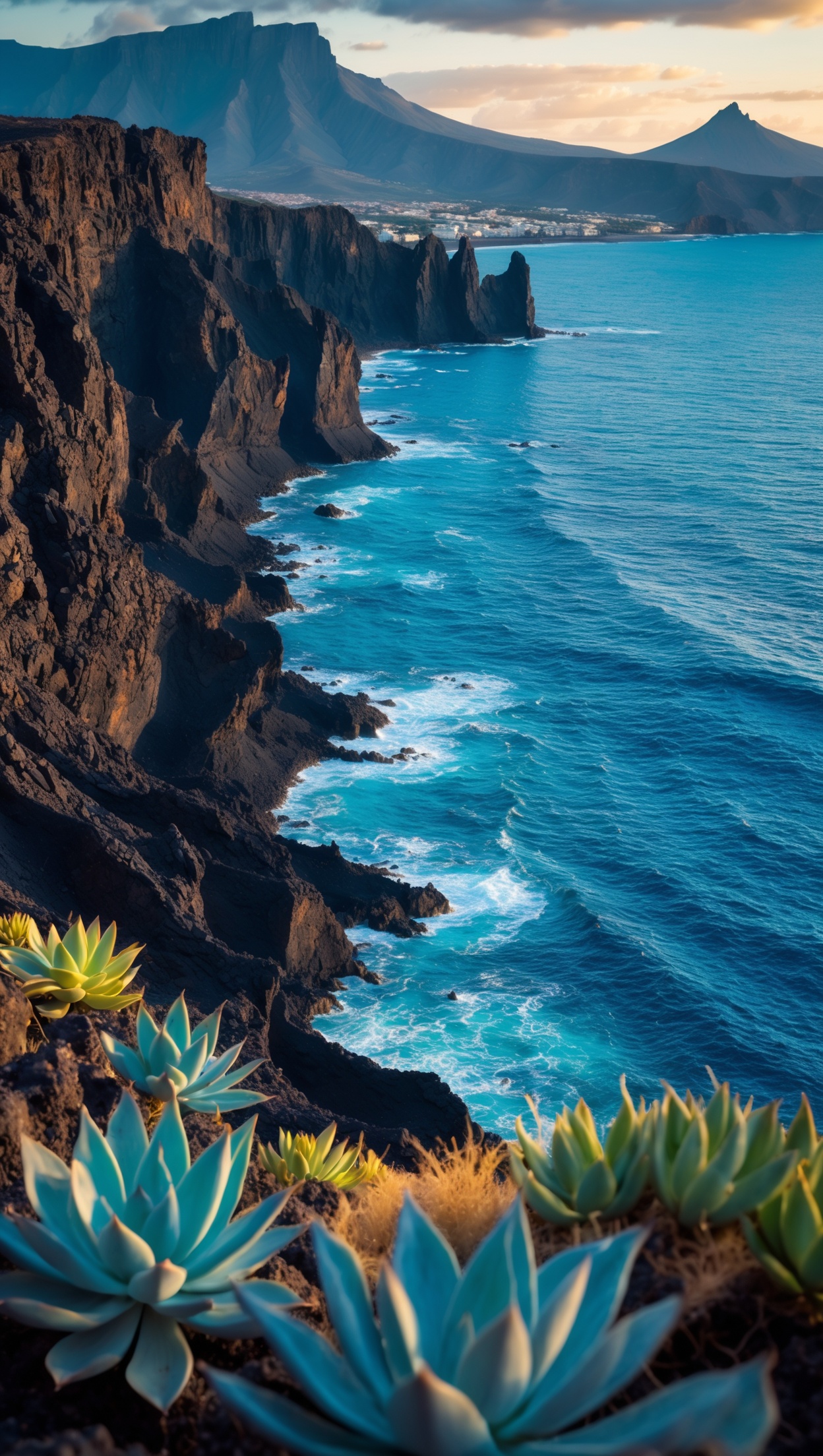
Lanzarote is unlike any other island in the archipelago. Its landscape — shaped by a volcanic eruption in the 18th century — looks almost Martian: black lava fields, rust-red craters and white cube houses with vivid green shutters. The architect and artist César Manrique left his mark everywhere, blending art with nature in a way that has shaped the entire island's aesthetic.

Winter here is warm, dry and windy — the trade winds keep temperatures pleasant but can make beach days breezy. The Timanfaya National Park is a must.

  • Best for: Culture lovers, photographers, couples, architecture enthusiasts
  • Winter weather: 20–22 °C, sunny but often windy
  • Don't miss: Timanfaya National Park, Jameos del Agua, Cueva de los Verdes

Fuerteventura: Europe's Best Beaches, Wind Sports Paradise

Fuerteventura has the finest beaches in the Canary Islands — and arguably in all of Europe. The vast, pale golden dunes of Corralejo in the north and the long, quiet strands of the Jandía peninsula in the south are extraordinary. In winter, the sea remains warm enough for swimming and the island's near-constant wind makes it a world-class destination for kitesurfing and windsurfing.

The island is flatter and less green than its neighbours, which suits those who want simple, slow beach holidays without distractions.

  • Best for: Beach purists, kite- and windsurfers, couples seeking relaxation
  • Winter weather: 19–22 °C, very sunny, consistently windy
  • Don't miss: Corralejo Natural Park dunes, El Cotillo, Betancuria village

La Palma: The Green Island for Nature Lovers

La Palma is the greenest and most lush of the main Canary Islands. Its dramatic calderas, ancient laurel forests and some of the darkest skies in the world (it has an official starlight reserve) make it a paradise for hikers and astronomy enthusiasts. It's quieter, less developed and more authentically Canarian than the big tourist islands.

Winter on La Palma is mild but can be wetter in the north and higher altitudes. If you want dramatic nature and tranquillity over pool bars, this is your island.

  • Best for: Hikers, stargazers, nature lovers, slow travellers
  • Winter weather: 18–21 °C; northern and higher areas can see rain and mist
  • Don't miss: Caldera de Taburiente, Roque de los Muchachos Observatory, Ruta de los Volcanes

La Gomera and El Hierro: Off the Beaten Path

For travellers who want to go further off the tourist trail, La Gomera and El Hierro are two of Europe's most unspoiled island destinations. La Gomera's Garajonay National Park — a primeval laurel forest — is a UNESCO World Heritage Site. El Hierro is the smallest and wildest of the islands, with almost no mass tourism and remarkable diving along its volcanic coastline.

Neither island has an airport served by major low-cost carriers; ferry connections from Tenerife are the standard way to reach them. This filters the visitor numbers — which is precisely the point.

Quick Comparison: Which Canary Island Suits You?

  • First time in the Canaries / family holiday: Tenerife
  • City + beach combination: Gran Canaria
  • Volcanic landscapes and design culture: Lanzarote
  • Best beaches / wind sports: Fuerteventura
  • Hiking and stargazing: La Palma
  • Complete escape from tourism: La Gomera or El Hierro

Practical Tips for Winter in the Canary Islands

When to Book

December and January are peak season — particularly around Christmas and New Year. Book flights and accommodation well in advance. February is often the sweet spot: school holidays are over in most countries, prices drop and the weather remains excellent.

Getting Between Islands

Inter-island flights with Binter Canarias are frequent and affordable. Ferries run between the major islands, though journey times are longer. For island hopping, flying is usually the most efficient option.

What to Pack

Lightweight clothing for the daytime, a layer or two for evenings and higher altitudes. Good walking shoes if you plan to hike — many trails are on volcanic rock. Sunscreen is essential year-round.

The Canary Islands lie within the EU, so there are no mobile roaming charges for European travellers. Your home plan works across all islands without extra cost.

If you want to explore Tenerife beyond the resort and see the island through local eyes, you can book a private customizable tour via GoWithGuide — including direct messaging with your verified guide before booking — to make every hour on the island count.
🇩🇪 Deutsch

Dieser Artikel enthält Affiliate-Links (Werbung). Kaufst du darüber, erhalten wir ggf. eine Provision – für dich ohne Mehrkosten.

Kanaren im Winter: Welche Insel passt zu dir?

Die Kanarischen Inseln gehören zu den verlässlichsten Wintersonnen-Zielen Europas: Temperaturen zwischen 18 und 24 °C, viele Sonnenstunden und Direktflüge aus den meisten deutschen, österreichischen und Schweizer Städten machen sie zum idealen Fluchtpunkt von November bis Februar. Die Frage ist nicht, ob man hinfahren soll — sondern welche Insel zum eigenen Reisestil passt.

Wer einen Kurzurlaub auf den Kanaren plant und nach einer unkomplizierten Unterkunft sucht, findet über touriDat Hotel- und Reisegutscheine für Wellness-, Romantik- und Aktivreisen — auch für beliebte europäische Ziele wie die Kanaren.

Teneriffa: Die Insel für alle

Teneriffa ist die größte und meistbesuchte der Kanarischen Inseln. Im Winter bietet der Süden — rund um Playa de las Américas und Los Cristianos — fast garantierten Sonnenschein und ruhige Strände. Der Norden ist grüner, kühler und kulturell reicher: Die UNESCO-Welterbestadt La Laguna und der charmante Hafen Puerto de la Cruz lohnen sich sehr.

Das absolute Highlight ist der Teide — mit 3.715 Metern der höchste Berg Spaniens. Im Winter liegt auf seinem Gipfel oft Schnee, während unten an der Küste T-Shirt-Wetter herrscht. Der Nationalpark rund um den Vulkan ist ideal zum Wandern und für Sternenbeobachtungen.

  • Ideal für: Erstbesucher, Familien, Paare, Wanderbegeisterte
  • Winterwetter: Süden: 22–24 °C und sonnig; Norden: 18–20 °C, gelegentlich bewölkt
  • Nicht verpassen: Teide-Seilbahn, Masca-Schlucht, La Laguna Altstadt

Gran Canaria: Stadtleben trifft Wüstendünen

Gran Canaria bietet einen faszinierenden Kontrast: die lebendige Hauptstadt Las Palmas im Norden mit Stränden, Museen und einer aufblühenden Gastronomieszene — und die spektakulären Sanddünen von Maspalomas im Süden. Im Winter ist die Südküste warm, trocken und zuverlässig sonnig.

Das Innere der Insel überrascht mit tiefen Schluchten, Kiefernwäldern und traditionellen Dörfern. Gran Canaria wird oft als Kontinent im Miniaturformat bezeichnet — und das stimmt.

  • Ideal für: Städtereisende, Strandliebhaber, LGBTQ+-Reisende, Foodiereisende
  • Winterwetter: Süden: 21–23 °C und trocken; Las Palmas: etwas frischer
  • Nicht verpassen: Maspalomas-Dünen, Roque Nublo, Vegueta-Altstadt in Las Palmas

Lanzarote: Vulkanlandschaft und Kunstkultur

Lanzarote ist einzigartig im Archipel. Die Landschaft — geformt durch einen Vulkanausbruch im 18. Jahrhundert — wirkt fast marsähnlich: schwarze Lavafelder, rostbraune Krater, weiße Würfelhäuser mit grünen Fensterläden. Der Künstler und Architekt César Manrique hat der Insel sein unverwechselbares Gepräge gegeben und Kunst mit Natur auf einzigartige Weise verbunden.

Der Winter ist warm, trocken und windig — der Passat sorgt für angenehme Temperaturen, kann aber Strandtage windiger machen. Der Timanfaya-Nationalpark ist ein absolutes Muss.

  • Ideal für: Kulturliebhaber, Fotografen, Paare, Architekturbegeisterte
  • Winterwetter: 20–22 °C, sonnig, oft windig
  • Nicht verpassen: Timanfaya-Nationalpark, Jameos del Agua, Cueva de los Verdes

Fuerteventura: Europas schönste Strände, Paradies für Windsport

Fuerteventura hat die schönsten Strände der Kanarischen Inseln — und wohl ganz Europas. Die weiten, hellgoldenen Dünen von Corralejo im Norden und die langen, ruhigen Strände der Jandía-Halbinsel im Süden sind beeindruckend. Im Winter ist das Meer noch warm genug zum Schwimmen, und der konstante Wind macht die Insel zu einem Weltklasse-Ziel für Kitesurfer und Windsurfer.

Die Insel ist flacher und weniger grün als die Nachbarinseln — ideal für alle, die einen entspannten Strandurlaub ohne Ablenkungen suchen.

  • Ideal für: Strandliebhaber, Kite- und Windsurfer, Erholungssuchende
  • Winterwetter: 19–22 °C, sehr sonnig, konstant windig
  • Nicht verpassen: Corralejo-Naturpark, El Cotillo, Betancuria

La Palma: Die grüne Insel für Naturliebhaber

La Palma ist die grünste und üppigste der großen Kanarischen Inseln. Dramatische Calderas, uralte Lorbeerwälder und einer der dunkelsten Nachthimmel der Welt (die Insel hat ein offizielles Sternenreservat) machen sie zum Paradies für Wanderer und Astronomiefans. La Palma ist ruhiger, weniger entwickelt und authentischer kanarisch als die großen Touristeninseln.

Im Winter ist es mild, aber in höheren Lagen und im Norden kann es regnen. Wer dramatische Natur und Stille sucht, findet hier seine Insel.

  • Ideal für: Wanderer, Sternenbeobachter, Naturliebhaber, Slow Traveller
  • Winterwetter: 18–21 °C; Norden und Hochlagen können Regen und Nebel haben
  • Nicht verpassen: Caldera de Taburiente, Observatorium Roque de los Muchachos, Ruta de los Volcanes

La Gomera und El Hierro: Abseits des Tourismus

Für alle, die wirklich abseits der ausgetretenen Pfade reisen wollen: La Gomera und El Hierro sind zwei der ursprünglichsten Inseldestinationen Europas. La Gomeras Garajonay-Nationalpark — ein urzeitlicher Lorbeerwald — ist UNESCO-Welterbe. El Hierro ist die kleinste und wildeste der Inseln, mit kaum Massentourismus und beeindruckendem Tauchrevier entlang der Vulkanküste.

Beide Inseln werden nicht von großen Billigfliegern angeflogen; die Fähre von Teneriffa ist der übliche Weg. Das hält die Besucherzahlen niedrig — und genau das ist der Reiz.

Schnellvergleich: Welche Kanareninsel passt zu dir?

  • Erster Besuch / Familienurlaub: Teneriffa
  • Stadt und Strand kombiniert: Gran Canaria
  • Vulkanlandschaft und Designkultur: Lanzarote
  • Beste Strände / Windsport: Fuerteventura
  • Wandern und Sternenbeobachtung: La Palma
  • Echter Rückzug vom Tourismus: La Gomera oder El Hierro

Praktische Tipps für den Kanarenwinter

Wann buchen?

Dezember und Januar sind Hochsaison — besonders rund um Weihnachten und Silvester. Frühzeitig buchen lohnt sich. Februar ist oft der beste Monat: Die Schulferien in den meisten Ländern sind vorbei, die Preise sinken und das Wetter bleibt ausgezeichnet.

Zwischen den Inseln reisen

Interinsulare Flüge mit Binter Canarias sind häufig und günstig. Fähren verbinden die großen Inseln, brauchen aber mehr Zeit. Wer Inselhüpfen plant, ist mit dem Flugzeug meist am effizientesten.

Was einpacken?

Leichte Kleidung für tagsüber, eine oder zwei Schichten für Abende und höhere Lagen. Gutes Schuhwerk für Wanderungen auf Vulkangestein. Sonnencreme ist das ganze Jahr über unverzichtbar.

Die Kanarischen Inseln sind Teil der EU — europäische Reisende zahlen keine Roaming-Gebühren. Der heimische Handyvertrag gilt auf allen Inseln ohne Aufpreis.

Wenn du einen Kanarenwinter planst und dir eine unkomplizierte Unterkunft oder einen Reisegutschein sicherst, kannst du über touriDat Hotel- und Kurzurlaubsangebote entdecken — inklusive Wellness-, Romantik- und Aktivreisen — und deinen Winterurlaub entspannt starten.