Complete Guide to Exploring Lisbon, Portugal
Perched on seven sun-drenched hills above the glittering Tagus River, Lisbon is one of Europe's most captivating capitals. With its labyrinthine cobblestone streets, sky-blue azulejo tiles, world-class cuisine and a soul-stirring soundtrack of fado music drifting from open doorways, Portugal's capital rewards every type of traveller. Whether you're a first-timer or a returning visitor, this complete guide to exploring Lisbon will help you experience the city like a true local.
Why Lisbon Should Be Your Next Destination
Lisbon punches well above its weight. It blends ancient history with a vibrant contemporary arts scene, offers some of Europe's most affordable fine dining, and boasts over 290 sunny days per year. The city's atmospheric neighbourhoods each tell a different story, and its position on the Atlantic coast means incredible seafood is never far away. Simply put, Lisbon is a destination that gets under your skin and refuses to let go.
Best Neighbourhoods to Explore in Lisbon
Alfama – The Soulful Heart of Lisbon
Alfama is Lisbon's oldest district, a Moorish-era maze of steep alleyways, hidden courtyards and ancient miradouros (viewpoints). It survived the devastating 1755 earthquake largely intact and remains the spiritual home of fado music. Don't miss the Miradouro da Graça for sweeping panoramic views, and linger at a traditional tasca for grilled sardines and a glass of Vinho Verde.
Baixa & Chiado – Historic Commerce Meets Bohemian Chic
The Baixa (Downtown) district is Lisbon's elegant grid-planned heart, rebuilt after the 1755 earthquake by the Marquis of Pombal. Wide boulevards lined with mosaic pavements lead to the monumental Praça do Comércio, opening dramatically onto the Tagus. Just uphill, Chiado blends Belle Époque architecture with independent bookshops, design boutiques and some of the city's finest coffee houses — including the legendary Café A Brasileira.
Bairro Alto – Lisbon's After-Dark Playground
By day, Bairro Alto is a quietly bohemian neighbourhood of vintage shops and tiny restaurants. By night, it transforms into Lisbon's liveliest nightlife hub. Dozens of bars spill their patrons onto cobblestone streets, creating an electric, communal atmosphere that lasts until sunrise.
LX Factory & Alcântara – Industrial Cool
Housed in a repurposed 19th-century industrial complex beneath the Ponte 25 de Abril bridge, LX Factory is Lisbon's hippest creative hub. Browse independent boutiques, eat at innovative restaurants, and don't miss the famous Sunday market where vintage treasures and artisan foods await.
Belém – Monument to the Age of Discovery
Belém, located a short tram or bus ride west of the city centre, is where Portugal's imperial legacy is most powerfully felt. The Jerónimos Monastery — a UNESCO World Heritage Site — is a breathtaking example of Manueline architecture. Nearby, the iconic Torre de Belém stands sentinel at the river's edge. And no visit is complete without a warm pastel de nata from the original Pastéis de Belém bakery, in business since 1837.
Top Attractions & Experiences in Lisbon
- Castelo de São Jorge: The hilltop Moorish castle offers commanding views over the city and Tagus River. Arrive early to beat the crowds.
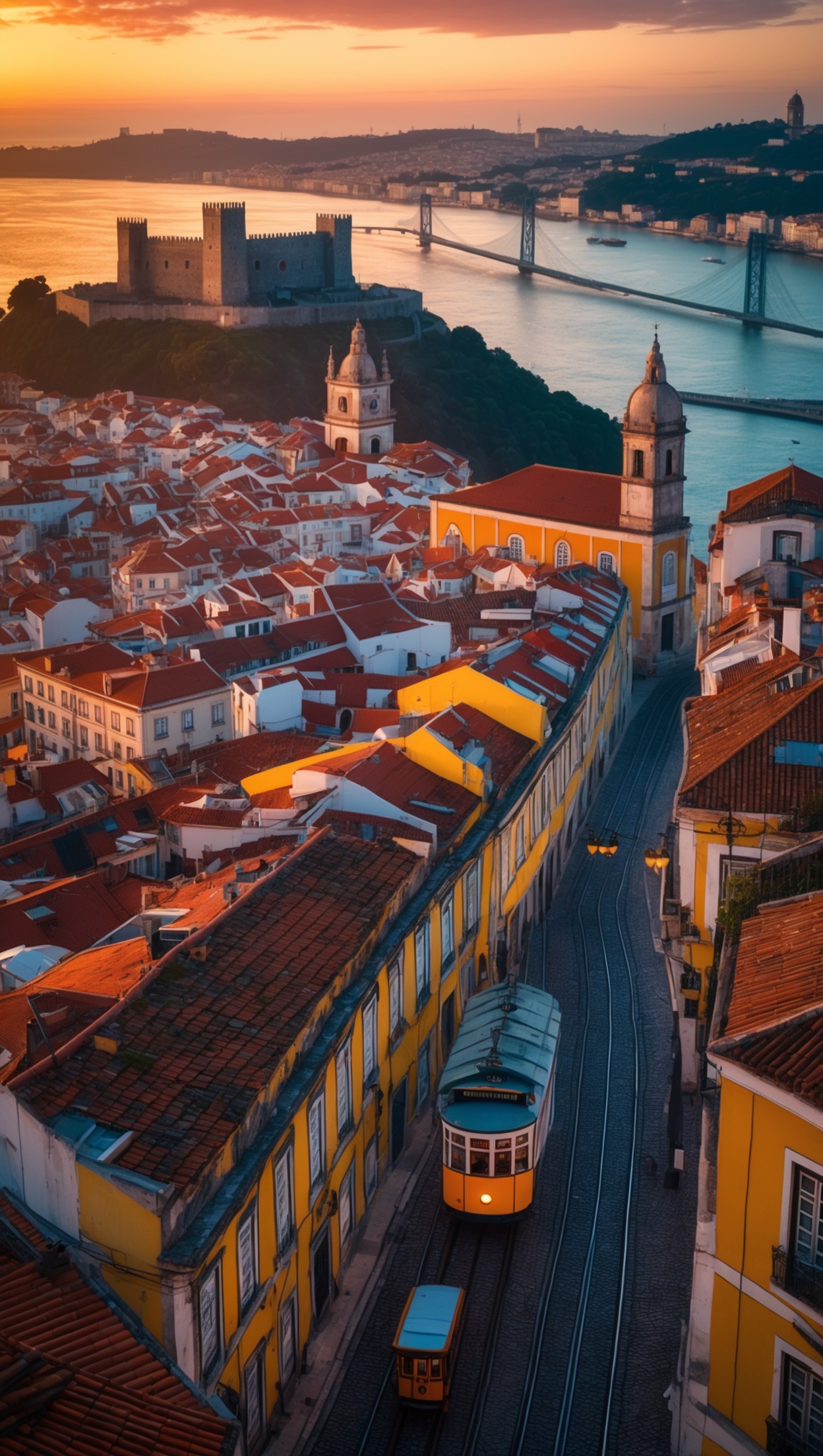
- Tram 28: Lisbon's vintage yellow trams are an icon — Tram 28 rattles through Alfama, Graça and Chiado on one of the world's most scenic urban routes.
- National Tile Museum (Museu Nacional do Azulejo): An essential visit for understanding Portugal's unique azulejo tile tradition, spanning five centuries of artistry.
- Oceanarium (Oceanário de Lisboa): One of Europe's finest aquariums, located in the modern Parque das Nações district — perfect for families.
- MAAT (Museum of Art, Architecture & Technology): A stunning riverside contemporary arts space with rotating international exhibitions.
- Fado Show: Experience a live fado performance in Alfama — an emotionally raw and deeply Portuguese musical tradition listed by UNESCO as Intangible Cultural Heritage.
What to Eat & Drink in Lisbon
Lisbon's food scene is one of its greatest treasures. Beyond the beloved pastel de nata (custard tart), travellers should seek out:
- Bacalhau: Salt cod prepared in supposedly 365 ways — try bacalhau à brás (shredded cod with eggs and potatoes).
- Bifanas: Pork sandwiches marinated in garlic and spices — the ultimate Lisbon street food.
- Piri-piri chicken: Flame-grilled and fiery, best enjoyed at a traditional churrascaria.
- Ginjinha: A sweet cherry liqueur served in tiny chocolate cups near Largo de São Domingos — a Lisbon ritual.
- Natural wines & craft beer: Lisbon's bar scene has embraced natural Portuguese wines and a growing craft beer movement with enthusiasm.
Getting Around Lisbon
Lisbon is best explored on foot in the historic neighbourhoods, but its hilly terrain means the city's historic elevadores (funiculars) and eléctricos (trams) are not just charming — they're essential. The metro system is clean, affordable and efficient, covering most major attractions. Taxis and ride-sharing apps like Uber are widely available. For day trips, trains from Cais do Sodré station whisk you to the stunning coastal towns of Cascais and Estoril in under 40 minutes.
Day Trips from Lisbon
- Sintra: A fairy-tale UNESCO World Heritage town of palaces and forested hilltops, just 40 minutes by train.
- Setúbal & Arrábida: Crystal-clear turquoise waters and dramatic limestone cliffs less than an hour south by car.
- Óbidos: A perfectly preserved medieval walled village, famous for its cherry liqueur and whitewashed cobblestone streets.
- Évora: A stunning Alentejo city with a Roman temple, Gothic cathedral and the haunting Chapel of Bones.
Practical Travel Tips for Lisbon
- Best time to visit: Spring (March–May) and autumn (September–October) offer pleasant temperatures and smaller crowds. Summer is lively but hot and crowded.
- Currency: Euro (€). ATMs are widely available.
- Language: Portuguese. English is widely spoken in tourist areas.
- Viva Viagem Card: Purchase this reloadable transport card for unlimited metro, tram, bus and funicular travel — it saves money and time.
- Safety: Lisbon is one of Europe's safest capitals, though be mindful of pickpockets on busy trams and tourist hotspots.
- Tipping: Not obligatory, but rounding up the bill or leaving 5–10% is appreciated at restaurants.
Where to Stay in Lisbon
Lisbon offers accommodation for every budget and style. Alfama and Mouraria are perfect for atmosphere-seekers who want to wake up in the historic heart of the city. Chiado and Príncipe Real offer boutique hotels and design guesthouses in the most fashionable neighbourhoods. Parque das Nações suits business travellers and families with its modern hotels and spacious waterfront. Whatever your style, book early — especially for summer travel, as Lisbon's popularity continues to soar.
Final Thoughts: Lisbon Awaits
Lisbon is a city of layers — ancient and modern, melancholic and joyful, intimate and spectacular. Every alleyway hides a story, every hilltop reveals a view worth climbing for, and every meal feels like a celebration of life by the sea. Whether you're drawn by history, gastronomy, art, nightlife or simply the golden Atlantic light that seems to bathe everything in warmth, Lisbon will not disappoint. Pack your walking shoes, embrace the unhurried pace of saudade, and let Portugal's magnificent capital work its magic on you.
Plan your trip with our trusted travel partners: touriDat for curated hotel & experience deals across Europe. Some links are affiliate links.