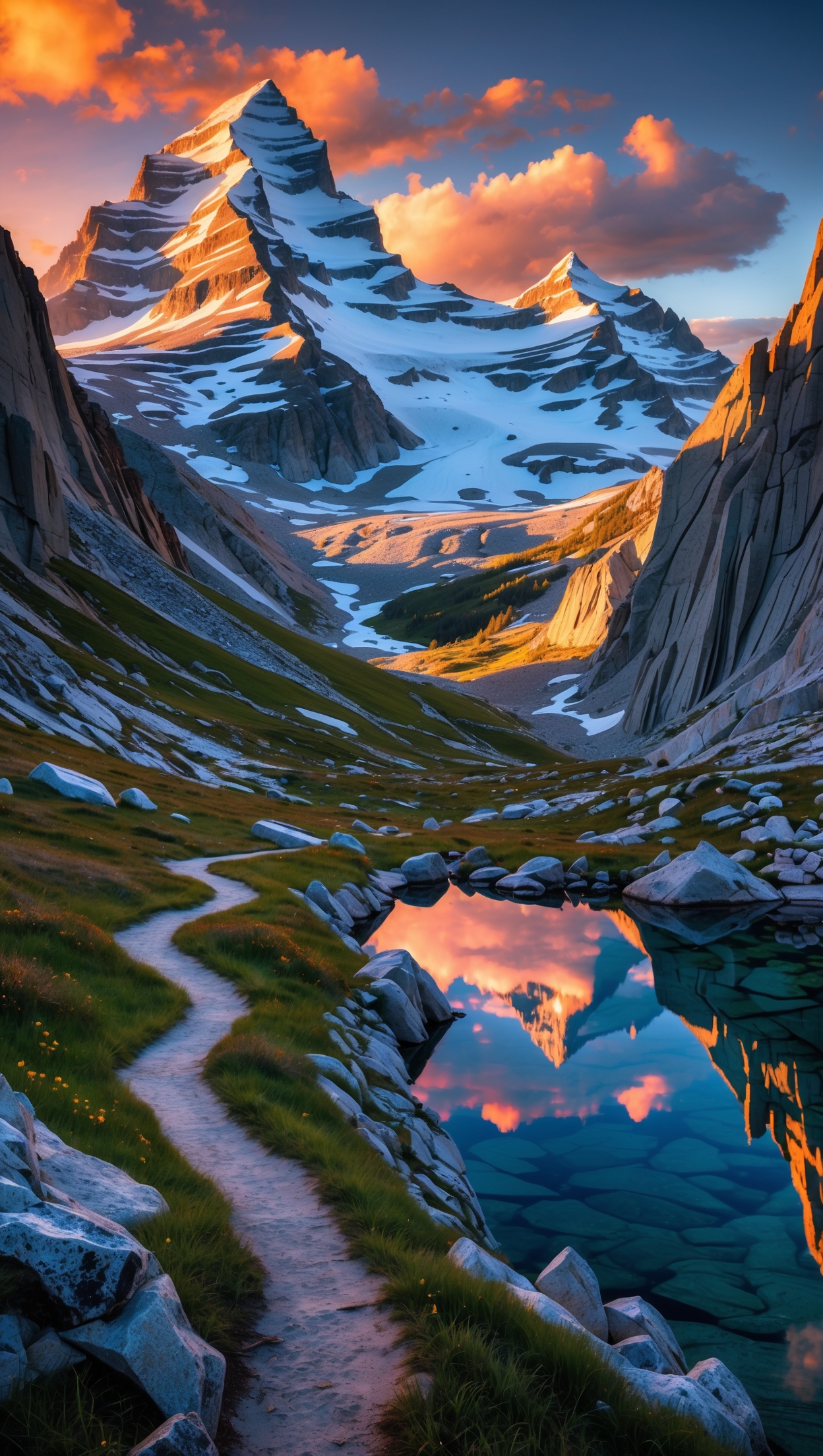
Your Complete Guide to Hiking in the Alps
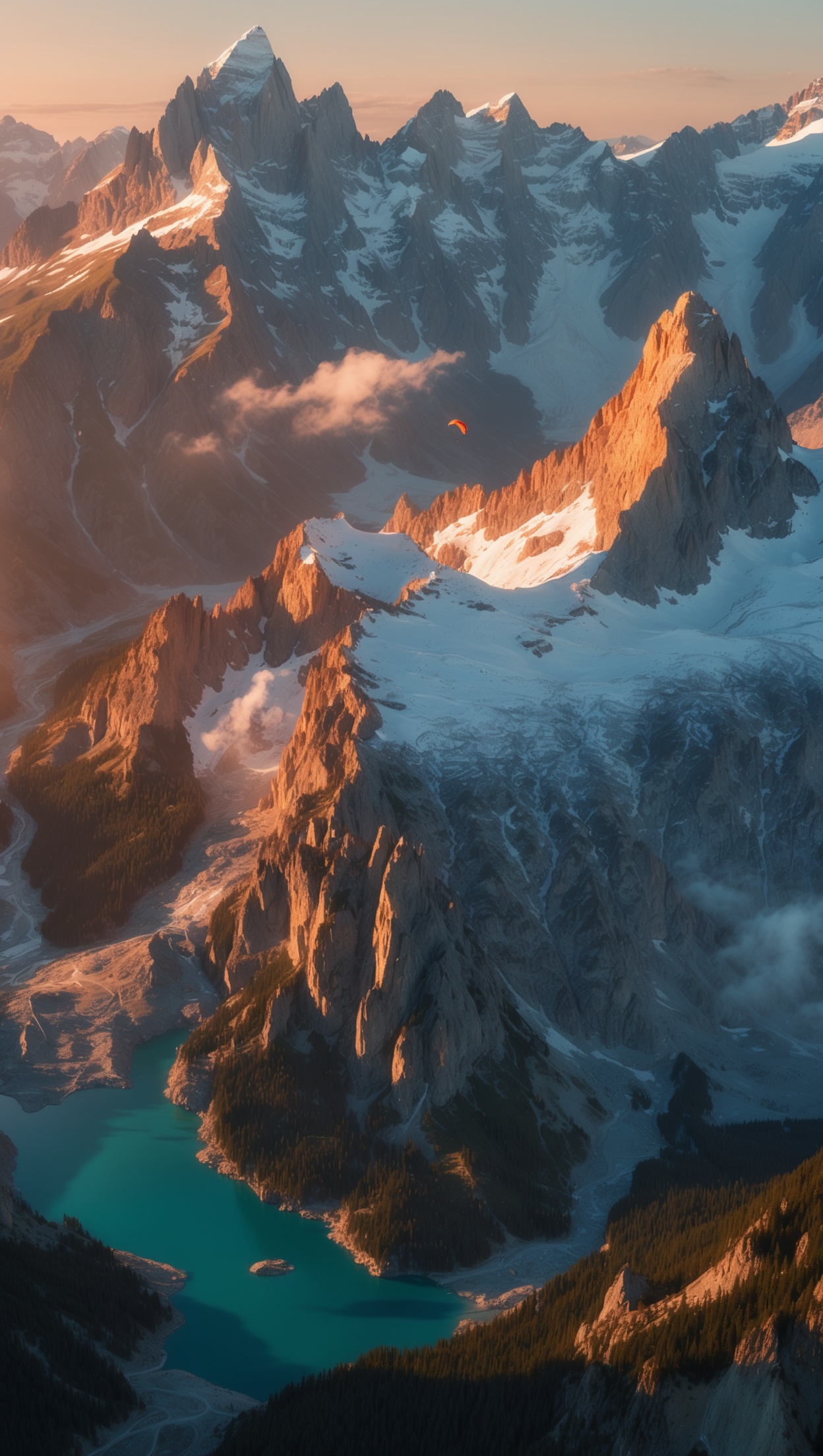
The Alps stretch across eight countries and offer some of the world's most spectacular hiking experiences. From gentle valley walks to challenging multi-day treks, this comprehensive guide will help you plan the perfect Alpine adventure.
Best Alpine Hiking Destinations
Switzerland: The Heart of Alpine Hiking
Switzerland boasts iconic trails like the Tour du Mont Blanc and the Haute Route. The well-maintained path network includes over 65,000 kilometers of marked trails. Popular regions include:
- Zermatt and the Matterhorn region
- Jungfrau region with Grindelwald and Lauterbrunnen
- Engadin Valley and St. Moritz area
- Bernese Oberland
Austria: Diverse Alpine Landscapes
Austria offers excellent hiking from the Tyrol region to the Salzkammergut. The country features mountain huts every few hours' walk, making multi-day treks accessible.
France: Dramatic High-Altitude Routes
The French Alps include challenging routes like the GR20 in Corsica and gentler paths in the Vanoise National Park.
Essential Hiking Gear for the Alps
Clothing and Footwear
- Hiking boots: Sturdy, waterproof boots with ankle support
- Layered clothing: Moisture-wicking base layers, insulating mid-layers, waterproof outer shell
- Rain gear: Essential as Alpine weather changes rapidly
- Hat and gloves: Even in summer, high altitudes can be cold
Navigation and Safety Equipment
- Detailed topographic maps and compass
- GPS device or smartphone with offline maps
- First aid kit
- Emergency shelter or bivy sack
- Headlamp with extra batteries
Planning Your Alpine Hiking Adventure
Best Time to Visit
The ideal hiking season runs from June to September. Higher altitude trails may not be accessible until July due to snow. September offers fewer crowds and stunning autumn colors.
Trail Difficulty Levels
Alpine trails are typically marked with color-coded difficulty levels:
- Yellow: Easy hiking trails suitable for families
- Red: Mountain hiking trails requiring good fitness
- Blue: Alpine routes for experienced hikers with proper equipment
Accommodation Options
Mountain Huts (Refuges)
Alpine huts provide meals, accommodation, and shelter along major hiking routes. Book in advance during peak season, especially for popular routes like the Tour du Mont Blanc.
Valley Towns
Many hikers prefer staying in valley towns and taking day hikes. This allows for comfortable beds, hot showers, and easier access to supplies.
Safety Tips for Alpine Hiking
- Check weather conditions: Alpine weather can change rapidly
- Inform others: Always tell someone your planned route and return time
- Start early: Begin hikes early to avoid afternoon thunderstorms
- Know your limits: Choose trails appropriate for your fitness level
- Carry emergency supplies: Even on day hikes, pack emergency gear
Top 5 Must-Do Alpine Hikes
- Tour du Mont Blanc: 11-day circuit around Western Europe's highest peak
- Haute Route: Classic trek from Chamonix to Zermatt
- Dolomites Alta Via 1: Spectacular route through Italy's dramatic peaks
- Eagle Walk (Austria): 413km trail across Tyrol's most beautiful regions
- GR5: Long-distance path from Lake Geneva to Mediterranean
Making the Most of Your Alpine Experience
The Alps offer more than just hiking – immerse yourself in local culture, try regional specialties like fondue or schnitzel, and take time to appreciate the incredible mountain scenery. Whether you're seeking challenging high-altitude adventures or peaceful valley walks, the Alps provide unforgettable experiences for every type of hiker.
Remember to practice Leave No Trace principles to preserve these magnificent mountains for future generations. Pack out all trash, stay on marked trails, and respect wildlife and local communities.
Plan your trip with our trusted travel partners: touriDat for curated hotel & experience deals across Europe. Some links are affiliate links.