Greece's stunning archipelago offers one of the world's most enchanting island hopping experiences. With over 6,000 islands scattered across the Aegean and Ionian seas, planning the perfect Greek island adventure requires careful consideration of routes, timing, and must-see destinations.
Best Time for Greek Island Hopping
The optimal season for island hopping in Greece runs from May to October, with each period offering distinct advantages. Late spring (May-June) provides pleasant weather, fewer crowds, and lower accommodation prices. Summer months (July-August) guarantee perfect beach weather but come with peak season prices and bustling crowds. Early autumn (September-October) offers the sweet spot of warm seas, mild temperatures, and reduced tourist numbers.
Essential Island Hopping Routes
The Classic Cyclades Circuit
Start your journey in Mykonos, famous for its vibrant nightlife, iconic windmills, and pristine beaches. The island serves as an excellent transportation hub with frequent ferry connections. Spend 2-3 days exploring Mykonos Town's narrow cobblestone streets and relaxing on Paradise Beach.
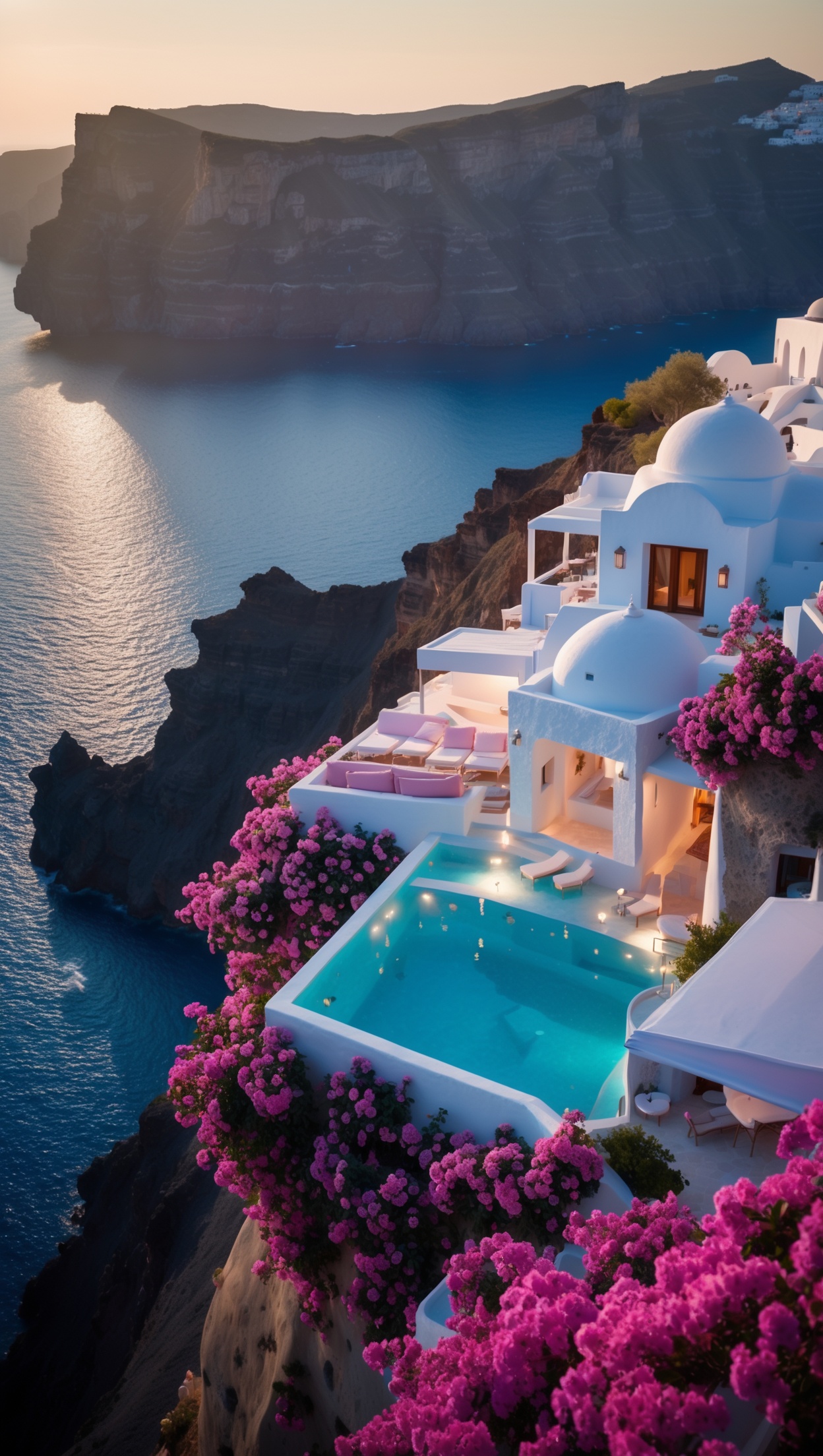
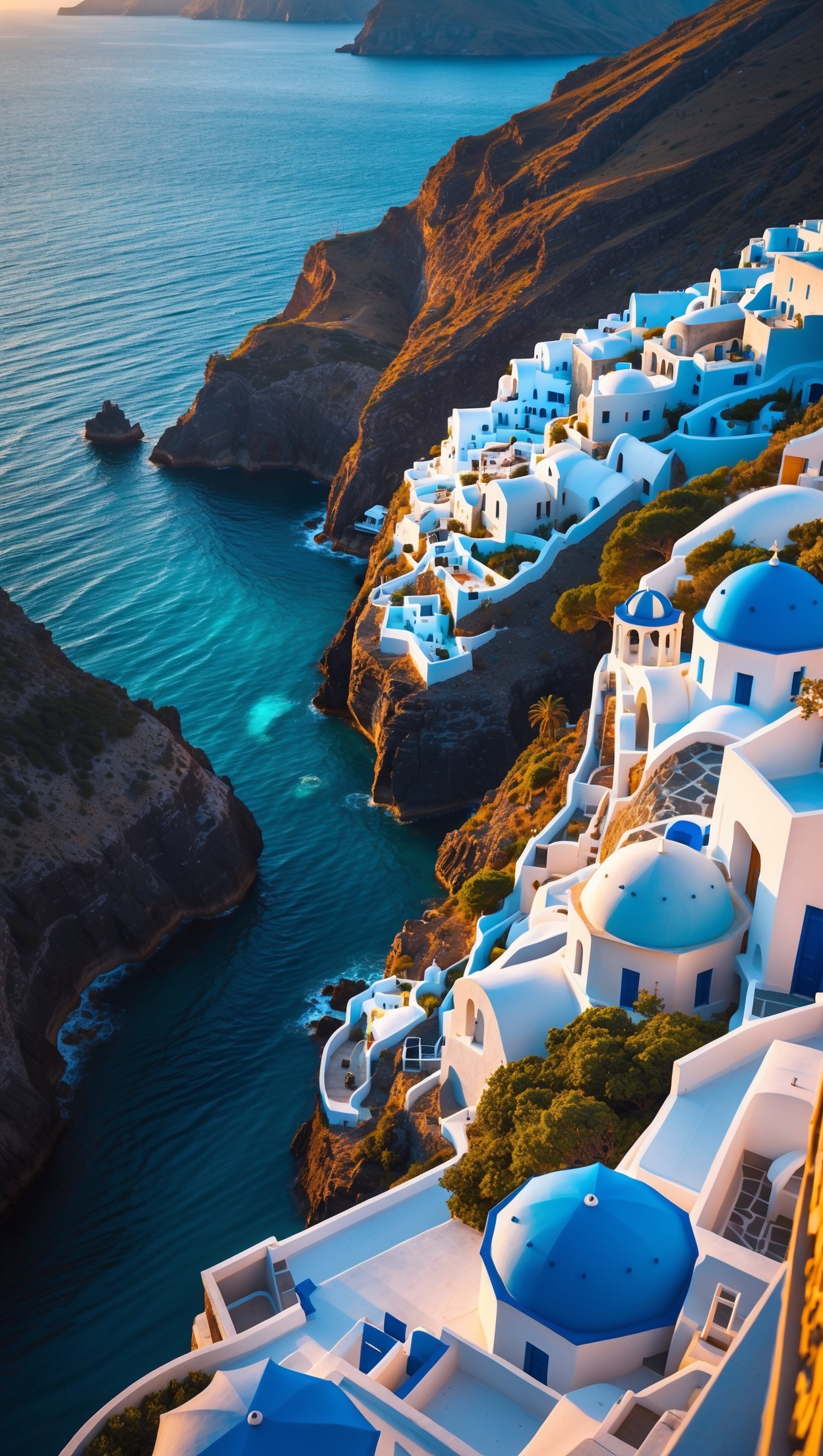
Next, sail to Santorini, perhaps Greece's most photographed island. The dramatic cliff-top villages of Oia and Fira offer breathtaking sunset views over the volcanic caldera. Allow at least 3 days to experience wine tastings, black sand beaches, and the island's unique architecture.
Continue to Paros, a charming island that perfectly balances traditional Greek culture with modern amenities. The fishing village of Naoussa and the marble-paved streets of Parikia showcase authentic Cycladic life. Paros also serves as an excellent base for day trips to smaller islands like Antiparos.
The Dodecanese Discovery
Rhodes makes an ideal starting point for exploring the Dodecanese islands. The medieval Old Town, a UNESCO World Heritage site, transports visitors back in time with its ancient walls and cobblestone alleys. The island combines rich history with excellent beaches along its eastern coast.
Ferry to Kos, known for its extensive sandy beaches and well-preserved ancient ruins. The island's compact size makes it perfect for cycling adventures, while the town of Kos offers excellent dining and nightlife options.
Complete your Dodecanese journey on Symi, a small island renowned for its colorful neoclassical architecture and crystal-clear waters. The dramatic harbor entrance and peaceful atmosphere provide a perfect contrast to the larger islands.
Transportation Between Islands
Ferry travel forms the backbone of Greek island hopping. High-speed ferries connect major islands efficiently, though they're more expensive than conventional ferries. Blue Star Ferries and SeaJets operate the most comprehensive networks throughout the Greek islands.
Book ferry tickets in advance during peak season, especially for popular routes like Athens-Santorini or Mykonos-Paros. Many islands also offer local boat services for short hops between neighboring destinations, often providing more scenic and affordable alternatives.
For longer distances or time-constrained itineraries, consider domestic flights. Small airlines like Olympic Air and Sky Express connect major islands with Athens and each other, dramatically reducing travel time.
Accommodation Strategies
Successful island hopping requires flexible accommodation planning. Book 2-3 nights minimum per island to avoid constant packing and ferry stress. Consider staying in port towns for easy transportation access, though hilltop villages often offer more authentic experiences and better views.
Traditional accommodations like family-run pensions and boutique cave hotels provide unique experiences that large resort chains cannot match. Many islands offer captain's houses and converted windmills for truly memorable stays.
Essential Packing Tips
Pack light for easy ferry transfers - a single rolling suitcase and daypack work best. Include reef-safe sunscreen, comfortable walking shoes for cobblestone streets, and a light sweater for evening ferry rides. Don't forget a waterproof phone case for boat trips and beach adventures.
Budget Planning
Daily budgets vary significantly by island and season. Expect to spend €50-80 per day for mid-range accommodations, meals, and transportation during peak season. Shoulder season travel can reduce costs by 30-40%. Factor in ferry costs (€20-60 per route) and occasional splurges for sunset dinners and wine tastings.
Many islands offer free walking tours and hiking trails that provide incredible experiences without additional costs. Local markets and family tavernas often serve exceptional food at fraction of touristy restaurant prices.
Cultural Experiences Not to Miss
Each Greek island maintains distinct cultural traditions. Attend a panigiri (religious festival) if your timing aligns - these community celebrations offer authentic insights into Greek island life. Learn basic Greek phrases; islanders appreciate visitors who make the effort to communicate in their language.
Sample local specialties unique to each destination: Santorini's assyrtiko wine, Mykonos' louza (cured pork), and Naxos' famous cheeses. Many islands offer cooking classes where you can learn to prepare traditional dishes using local ingredients.
Greek island hopping offers endless possibilities for creating unforgettable memories. Whether you're drawn to ancient history, pristine beaches, vibrant nightlife, or peaceful fishing villages, the Greek islands provide the perfect backdrop for your dream Mediterranean adventure.
Plan your trip with our trusted travel partners: touriDat for curated hotel & experience deals across Europe. Some links are affiliate links.