Master European Travel Photography: Your Complete Guide
Europe offers an incredible tapestry of photographic opportunities, from ancient Roman ruins bathed in golden light to dramatic Nordic fjords and charming cobblestone streets. Whether you're a beginner or seasoned photographer, capturing Europe's essence requires understanding both technical skills and knowing where to find those perfect shots.
Essential Photography Techniques for European Travel
Golden Hour Magic
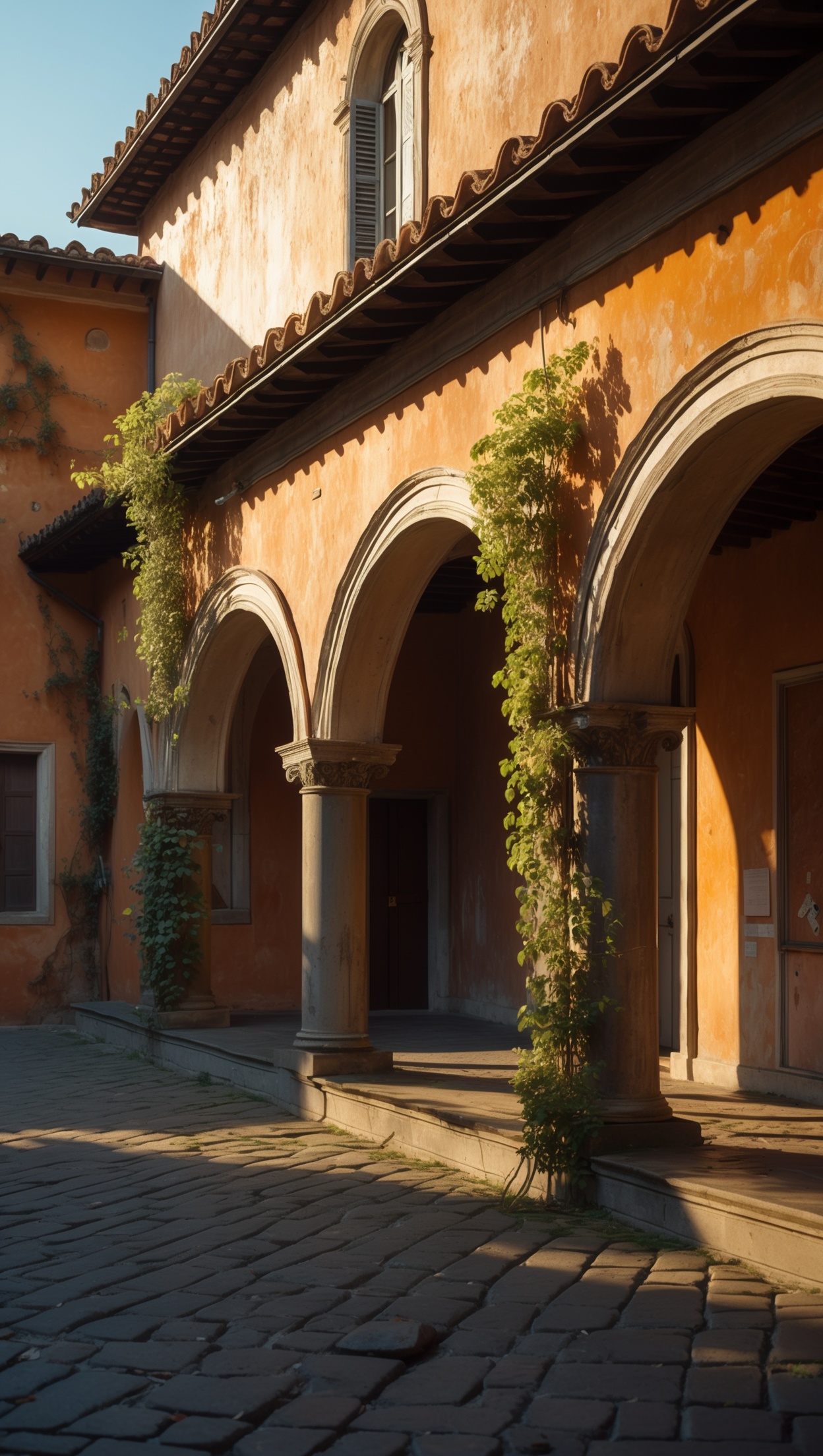
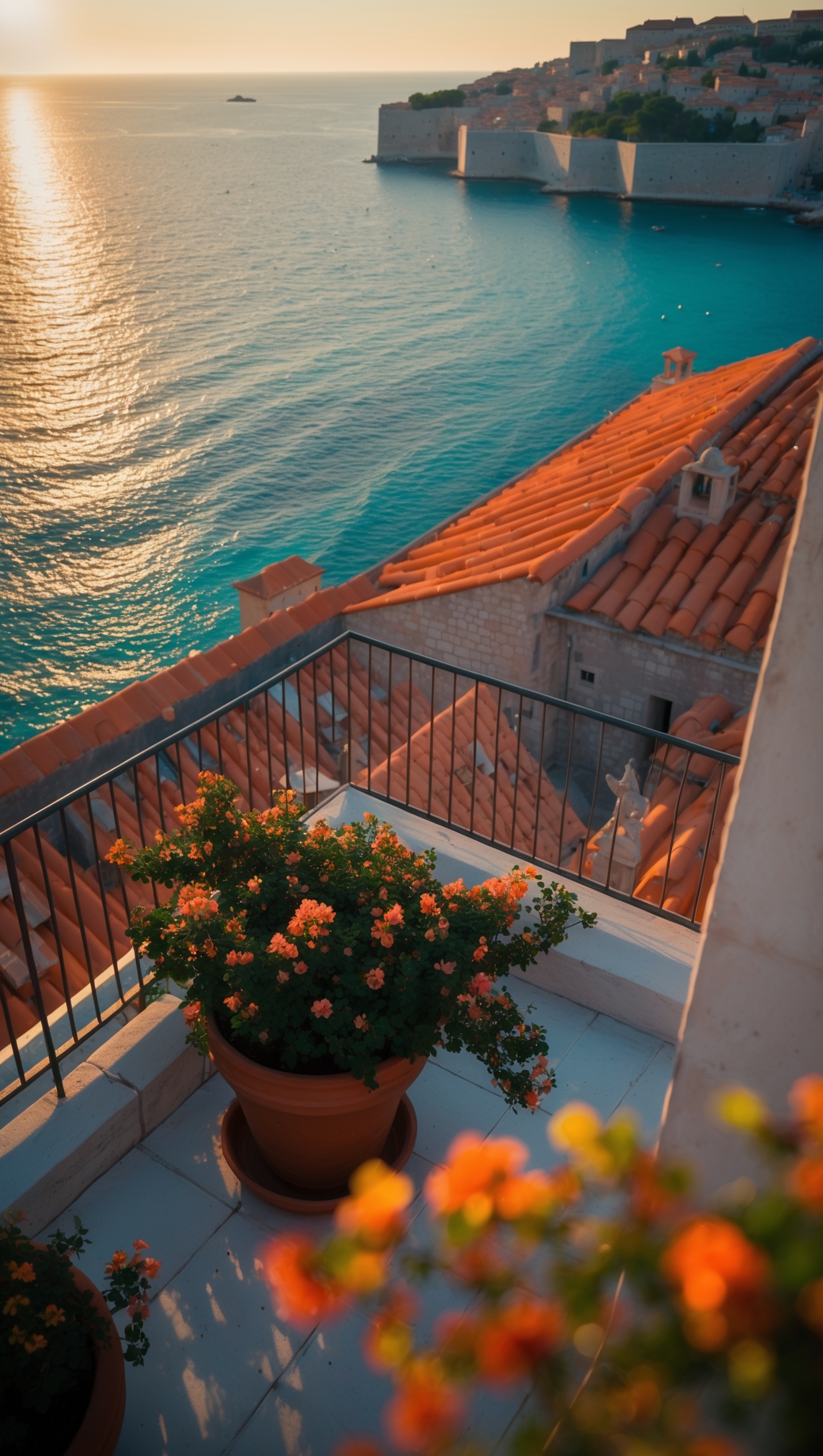
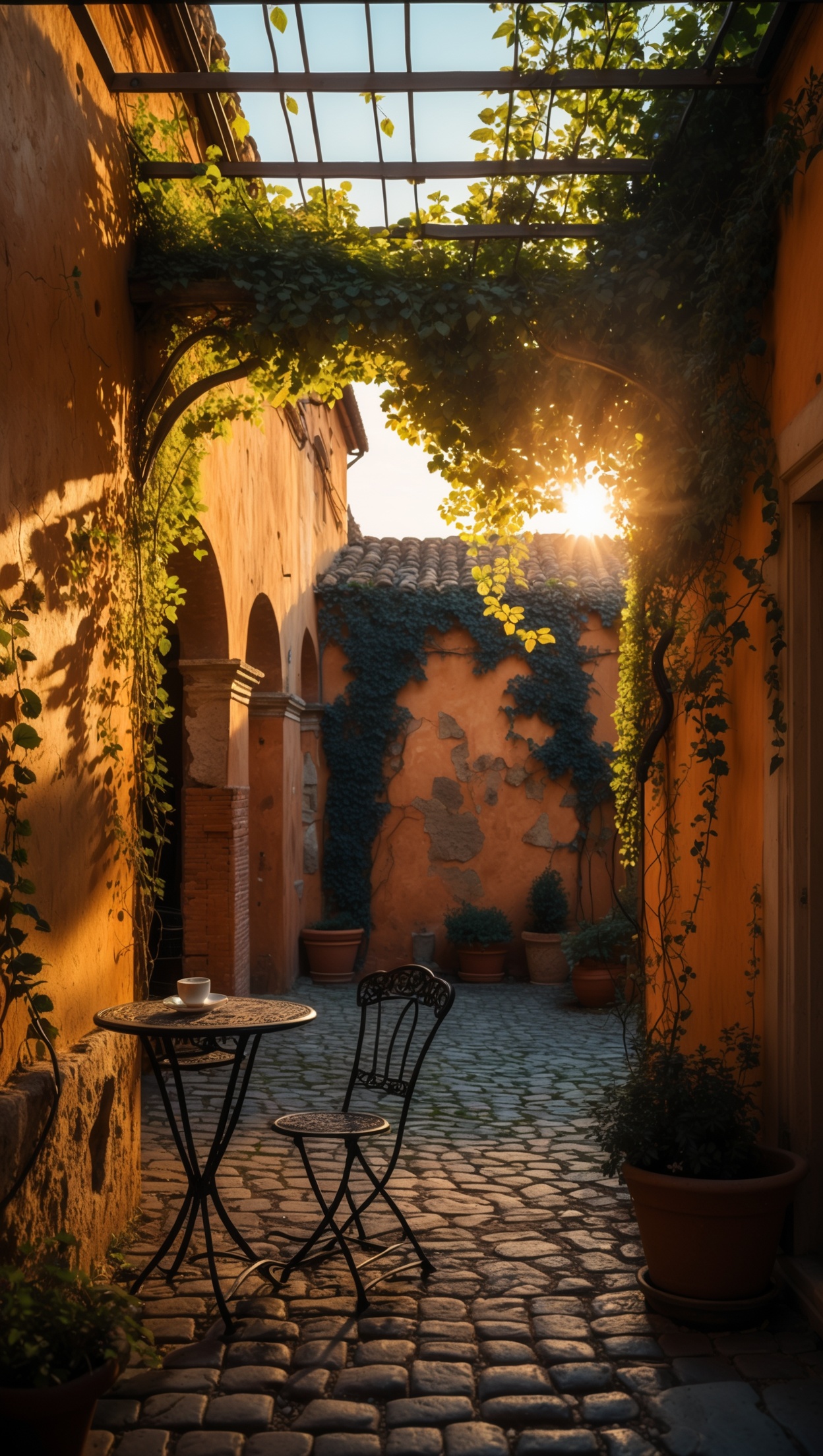
The golden hour transforms ordinary European scenes into extraordinary photographs. Plan your shoots for the hour after sunrise and before sunset when warm, soft light enhances architectural details and creates dramatic shadows across historic squares and medieval streets.
Composition Fundamentals
European cities are naturally photogenic, but proper composition elevates your shots:
- Use leading lines like cobblestone patterns or bridge railings
- Frame architectural elements through arches or windows
- Apply the rule of thirds when capturing expansive landscapes
- Include foreground elements to add depth to your images
Weather and Lighting Considerations
Don't let overcast skies discourage you. European weather creates moody atmospheres perfect for dramatic photography. Cloudy conditions provide natural diffusion for portraits and reduce harsh shadows on architectural details.
Top European Photography Destinations
Santorini, Greece
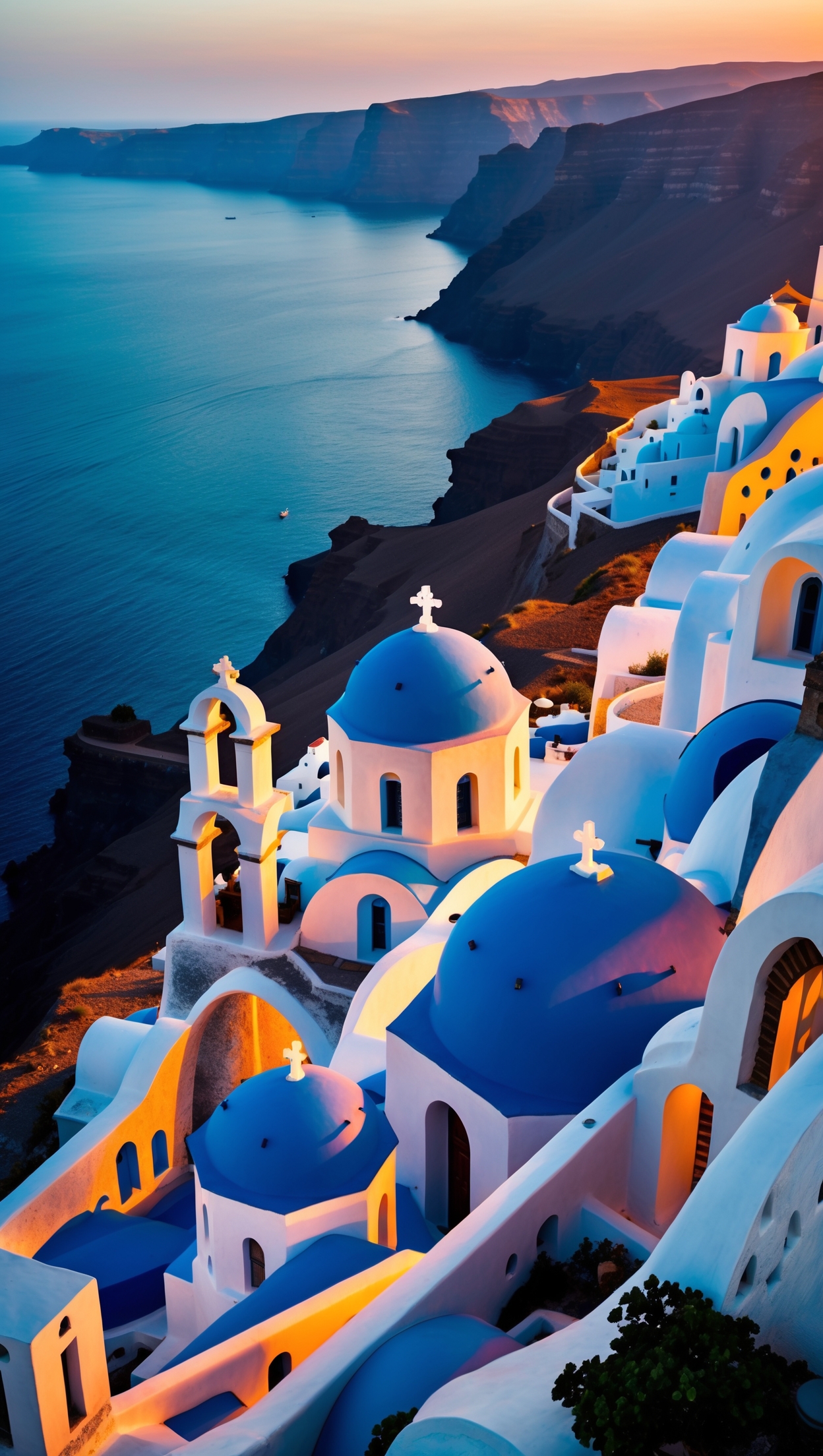
The iconic blue-domed churches and whitewashed buildings of Santorini create postcard-perfect compositions. Visit Oia for sunset shots and explore the less crowded villages of Pyrgos and Megalochori for unique perspectives. The volcanic landscape provides striking contrast against the azure Aegean Sea.
Hallstatt, Austria
This fairy-tale lakeside village offers mirror-like reflections in the early morning when mist rises from Hallstätter See. The baroque architecture and Alpine backdrop create stunning layered compositions. Winter visits reward photographers with snow-covered rooftops and frozen lake effects.
Bruges, Belgium
Medieval Bruges feels like stepping into a living museum. The canal system provides natural leading lines, while the Belfry tower offers panoramic city views. Early morning shoots capture the canals without crowds, and evening brings warm light reflecting off the water.
Lofoten Islands, Norway
For dramatic landscapes, the Lofoten Islands deliver year-round photographic opportunities. Summer offers midnight sun photography, while winter brings the aurora borealis dancing over fishing villages. The dramatic peaks rising directly from the sea create unique compositions.
Cinque Terre, Italy
These colorful coastal villages perched on Mediterranean cliffs offer endless photographic possibilities. Each of the five villages has distinct character – from Vernazza's harbor views to Manarola's vineyard terraces. The coastal hiking trails provide elevated perspectives impossible to achieve from village level.
Practical Photography Tips for European Travel
Equipment Essentials
Pack light but smart for European travel photography:
- A versatile 24-70mm lens covers most situations
- Wide-angle lens for architectural interiors and landscapes
- Lightweight tripod for low-light and long-exposure shots
- Extra batteries and memory cards
- Lens cleaning kit for coastal destinations
Research and Planning
Successful European travel photography requires preparation. Study maps to identify viewpoints, check sunrise and sunset times, and research local photography regulations. Many European cities restrict tripod use in certain areas or require permits for commercial photography.
Cultural Sensitivity
Respect local customs when photographing people and religious sites. Always ask permission before photographing individuals, especially in markets or residential areas. Some churches prohibit flash photography or charge fees for interior shots.
Making the Most of European Cities
European cities reward early risers with empty streets and dramatic morning light. Popular destinations like Prague's Charles Bridge or Rome's Trevi Fountain are best photographed before 7 AM to avoid crowds. Evening blue hour provides perfect balance between artificial lighting and natural sky tones.
Explore beyond famous landmarks to discover hidden gems. Wander residential neighborhoods, visit local markets, and seek elevated viewpoints from lesser-known hills or rooftops. These locations often provide more authentic and unique photographic opportunities than tourist hotspots.
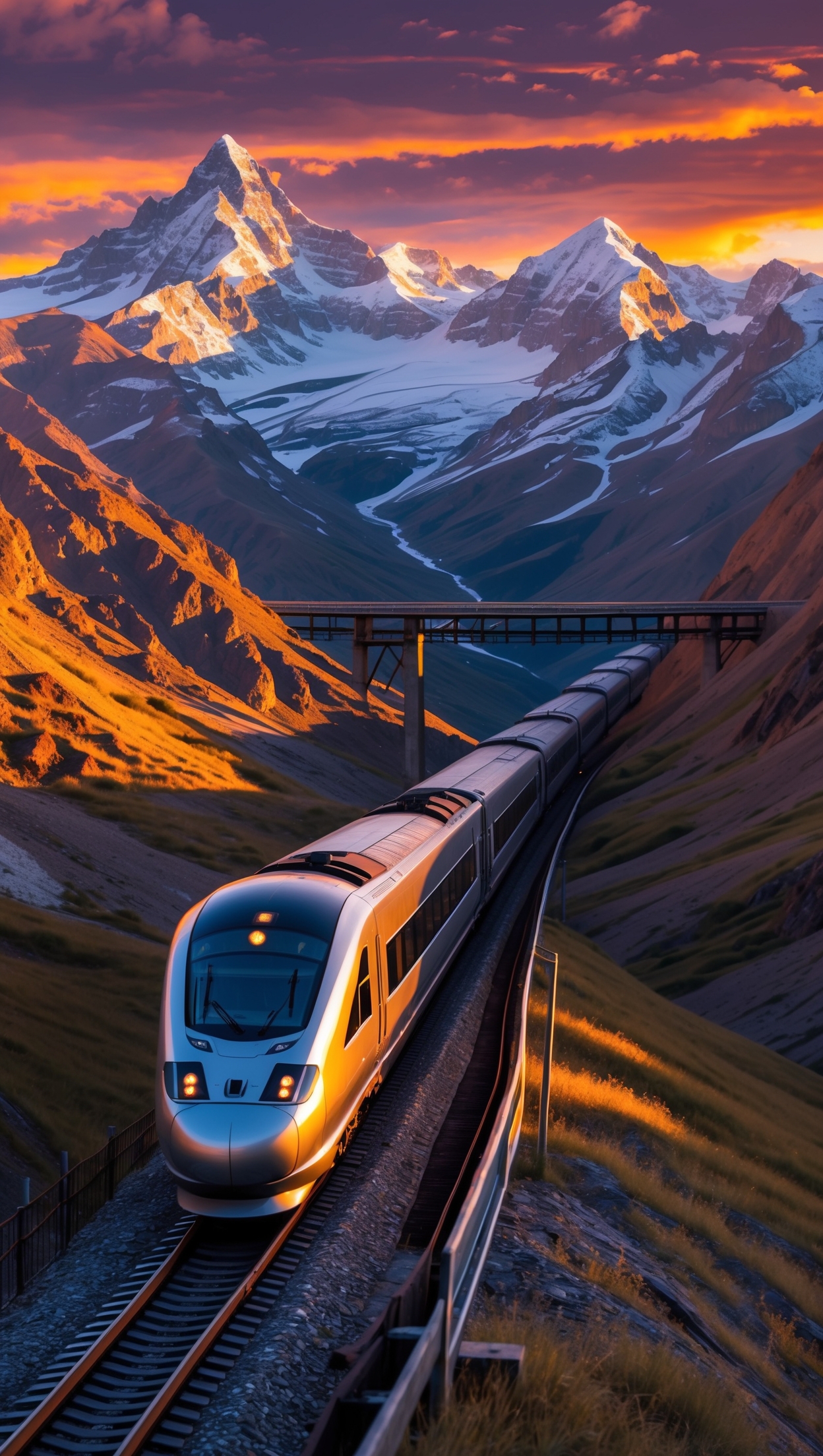
Europe's extensive transportation network makes multi-destination photography trips feasible. Plan routes that maximize diverse photographic opportunities while considering seasonal factors like weather patterns and daylight hours.
Plan your trip with our trusted travel partners: touriDat for curated hotel & experience deals across Europe. Some links are affiliate links.