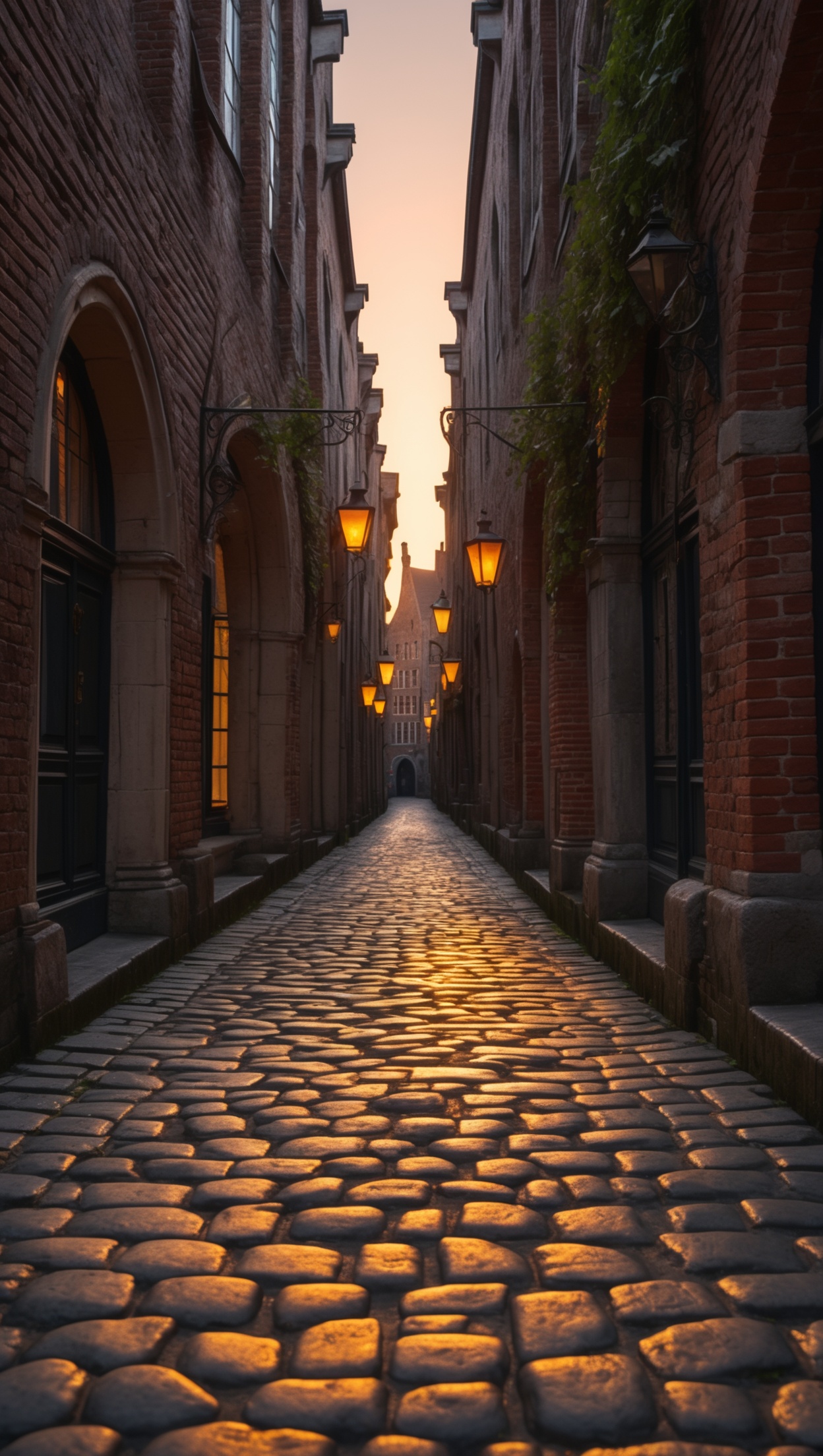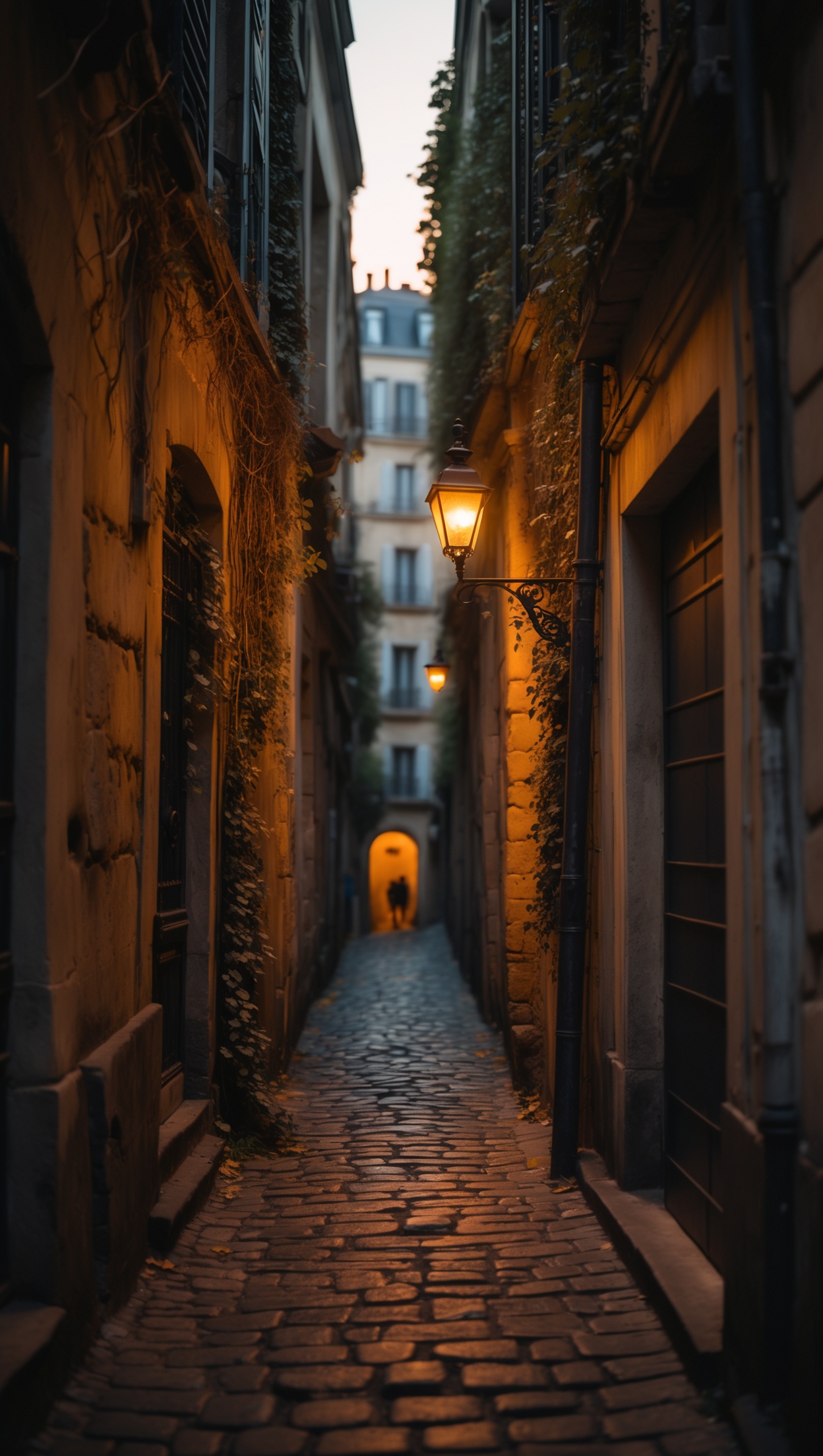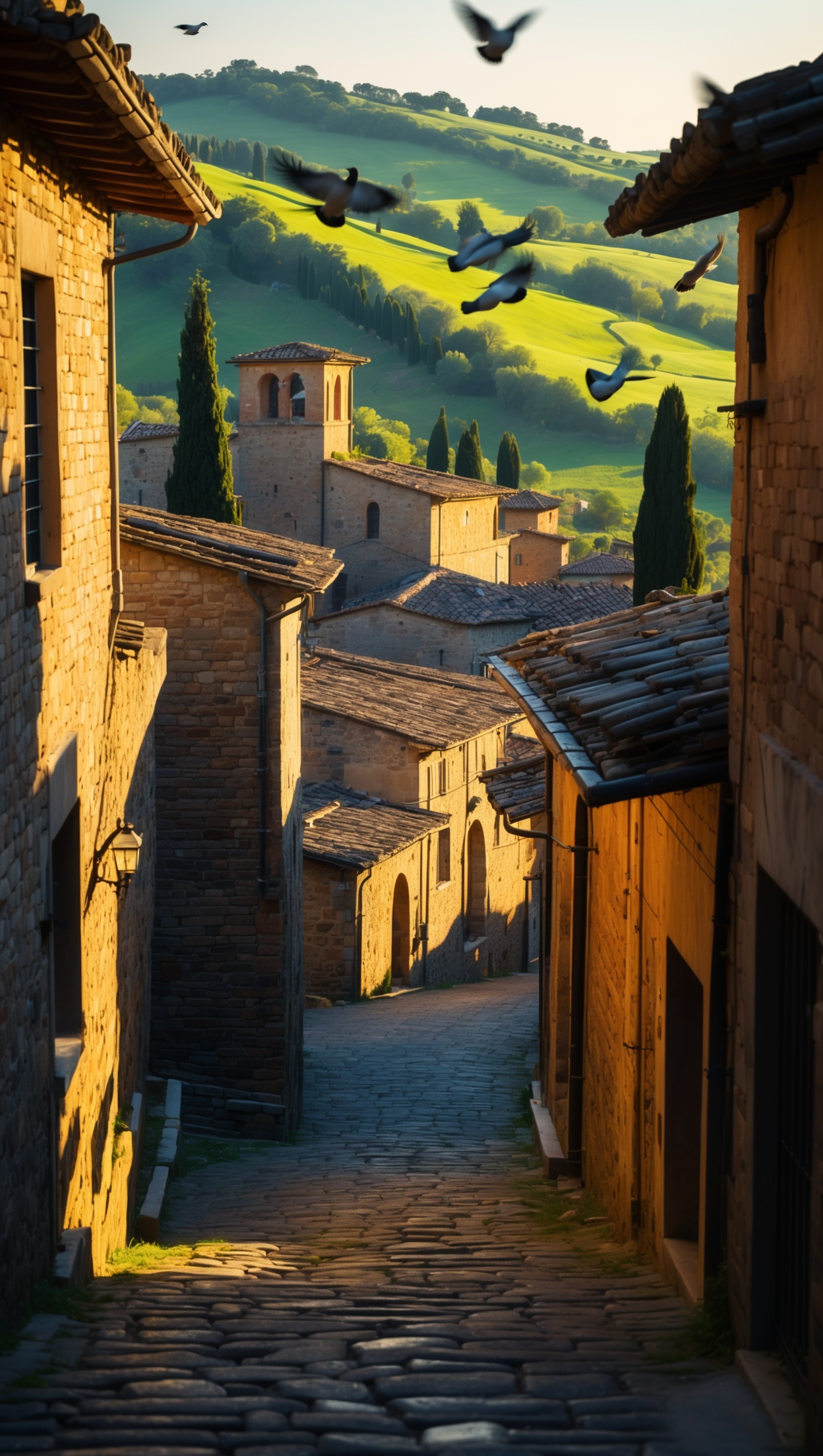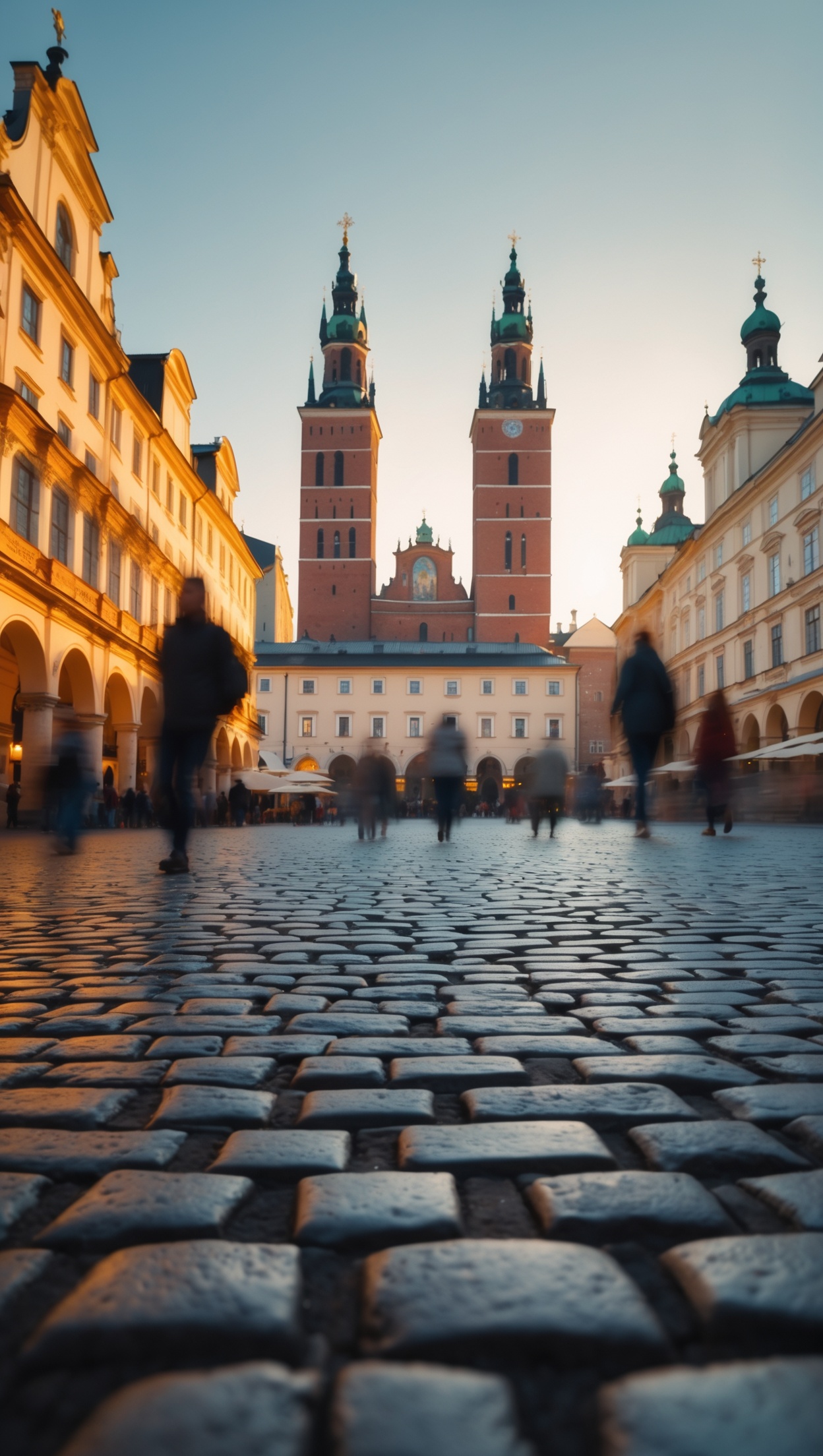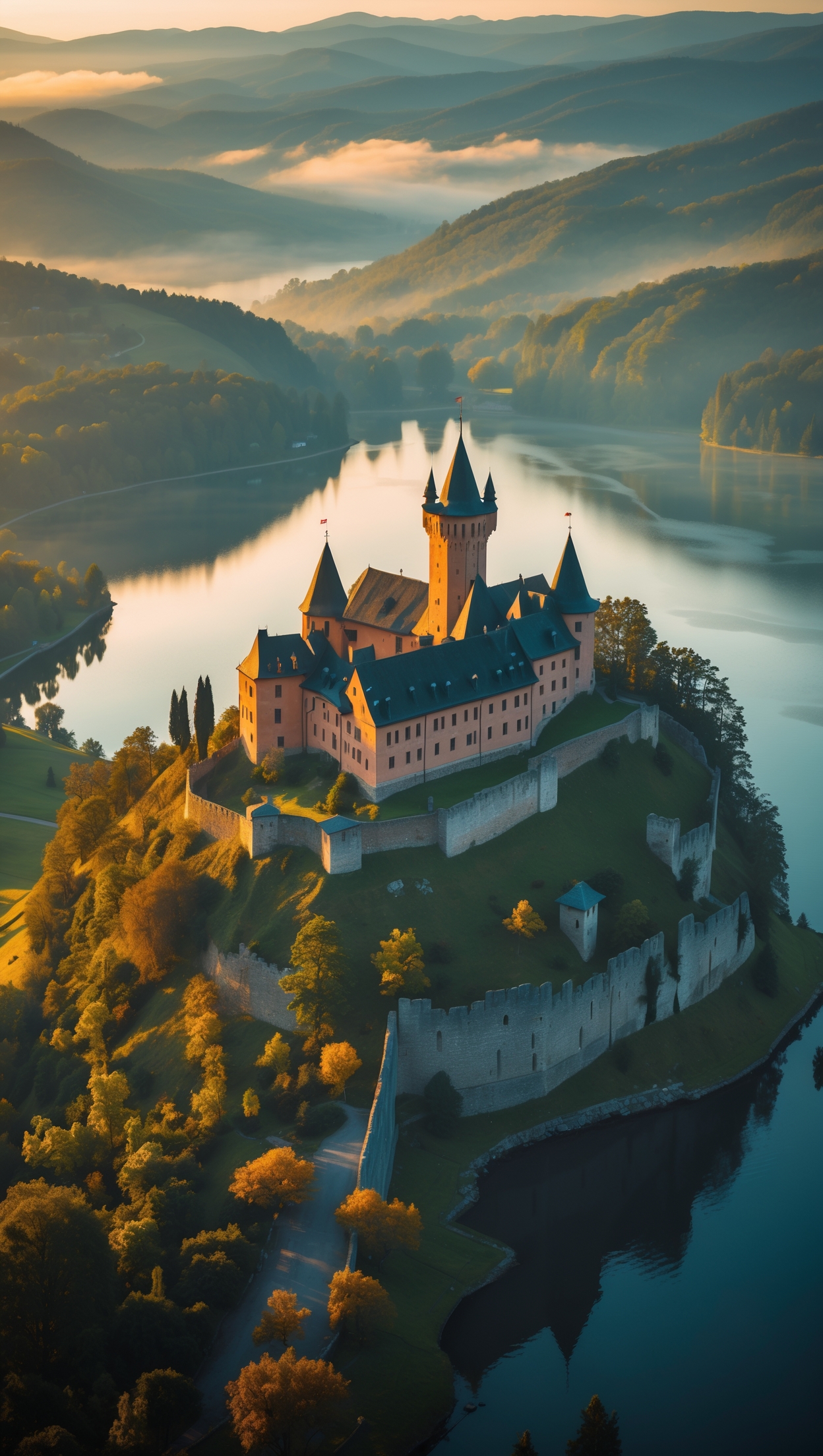
While Western Europe attracts millions of tourists each year, Eastern Europe harbors some of the continent's most spectacular and undiscovered destinations. These hidden gems offer authentic experiences, stunning landscapes, and rich cultural heritage without the overwhelming crowds and inflated prices of more popular tourist spots.
Sighișoara, Romania: The Last Inhabited Medieval Citadel
Nestled in the heart of Transylvania, Sighișoara stands as one of Europe's best-preserved medieval towns. This UNESCO World Heritage site feels like stepping into a fairy tale, with its cobblestone streets, colorful houses, and the iconic Clock Tower dominating the skyline. The citadel remains fully inhabited, making it a living piece of history where locals go about their daily lives within 14th-century walls.
The town's connection to Vlad the Impaler adds an intriguing layer to its appeal, but Sighișoara's charm extends far beyond its vampire associations. Visitors can explore artisan workshops, dine in atmospheric restaurants housed in centuries-old buildings, and witness breathtaking sunsets from the covered wooden staircase leading to the Church on the Hill.
Ohrid, North Macedonia: The Pearl of the Balkans
Lake Ohrid, one of Europe's oldest and deepest lakes, cradles the ancient town of Ohrid on its eastern shore. This remarkable destination combines pristine natural beauty with profound historical significance, earning recognition as both a UNESCO World Heritage site and a UNESCO Biosphere Reserve.
The town boasts over 365 churches and monasteries, earning it the nickname "Jerusalem of the Balkans." The 10th-century Church of St. John at Kaneo, perched dramatically on a cliff overlooking the lake, provides one of the most photographed views in the region. Crystal-clear waters perfect for swimming, traditional fishing villages, and excellent local cuisine featuring the famous Ohrid trout make this destination irresistible.
Activities and Experiences
- Take a boat trip to St. Naum Monastery
- Explore the ancient amphitheater
- Sample local wines at traditional konobas
- Swim in the pristine lake waters
Český Krumlov, Czech Republic: A Medieval Masterpiece
While Prague draws the crowds, Český Krumlov offers an equally enchanting but more intimate medieval experience. This South Bohemian town, wrapped in a horseshoe bend of the Vltava River, features one of Central Europe's most beautiful historic centers.
The town's crown jewel is its magnificent castle complex, the second-largest in the Czech Republic after Prague Castle. The baroque castle theater, still in its original condition, hosts performances that transport audiences back in time. Wandering through the narrow streets reveals Renaissance and baroque architecture at every turn, while riverside pubs offer perfect spots to enjoy Czech beer and hearty traditional cuisine.
Hallstatt, Austria: Alpine Perfection
Though Hallstatt has gained popularity in recent years, visiting during shoulder seasons reveals its true magic. This lakeside village, dramatically positioned between the Hallstätter See and towering Dachstein mountains, represents alpine beauty at its finest.
The town's history spans over 4,000 years, built on wealth from salt mining. Visitors can explore the ancient salt mines, take the funicular to the Skywalk for panoramic views, and wander through streets lined with traditional Austrian houses reflected perfectly in the lake's still waters.
Kotor, Montenegro: Adriatic Splendor
Hidden within a dramatic bay that cuts deep into Montenegro's mountainous coastline, Kotor combines Venetian architecture with spectacular natural settings. The fortified old town, surrounded by imposing medieval walls, sits at the foot of towering limestone cliffs.
Climbing the fortress walls rewards visitors with breathtaking views over the Bay of Kotor, often called Europe's southernmost fjord. The town's maritime heritage lives on in its museums, while waterfront restaurants serve fresh seafood and local wines. The nearby Our Lady of the Rocks, an artificial island with a beautiful church, adds to the region's mystique.
Planning Your Eastern European Adventure
These hidden gems offer incredible value compared to Western European destinations, with excellent accommodation options, authentic local cuisine, and welcoming hospitality. The best time to visit most of these destinations is during late spring through early autumn, when weather conditions are ideal and all attractions are fully operational.
Transportation between these destinations is increasingly convenient, with budget airlines connecting major cities and reliable bus and train networks linking smaller towns. Many visitors opt for road trips, allowing flexibility to discover even more hidden treasures along the way.
Plan your trip with our trusted travel partners: touriDat for curated hotel & experience deals across Europe. Some links are affiliate links.