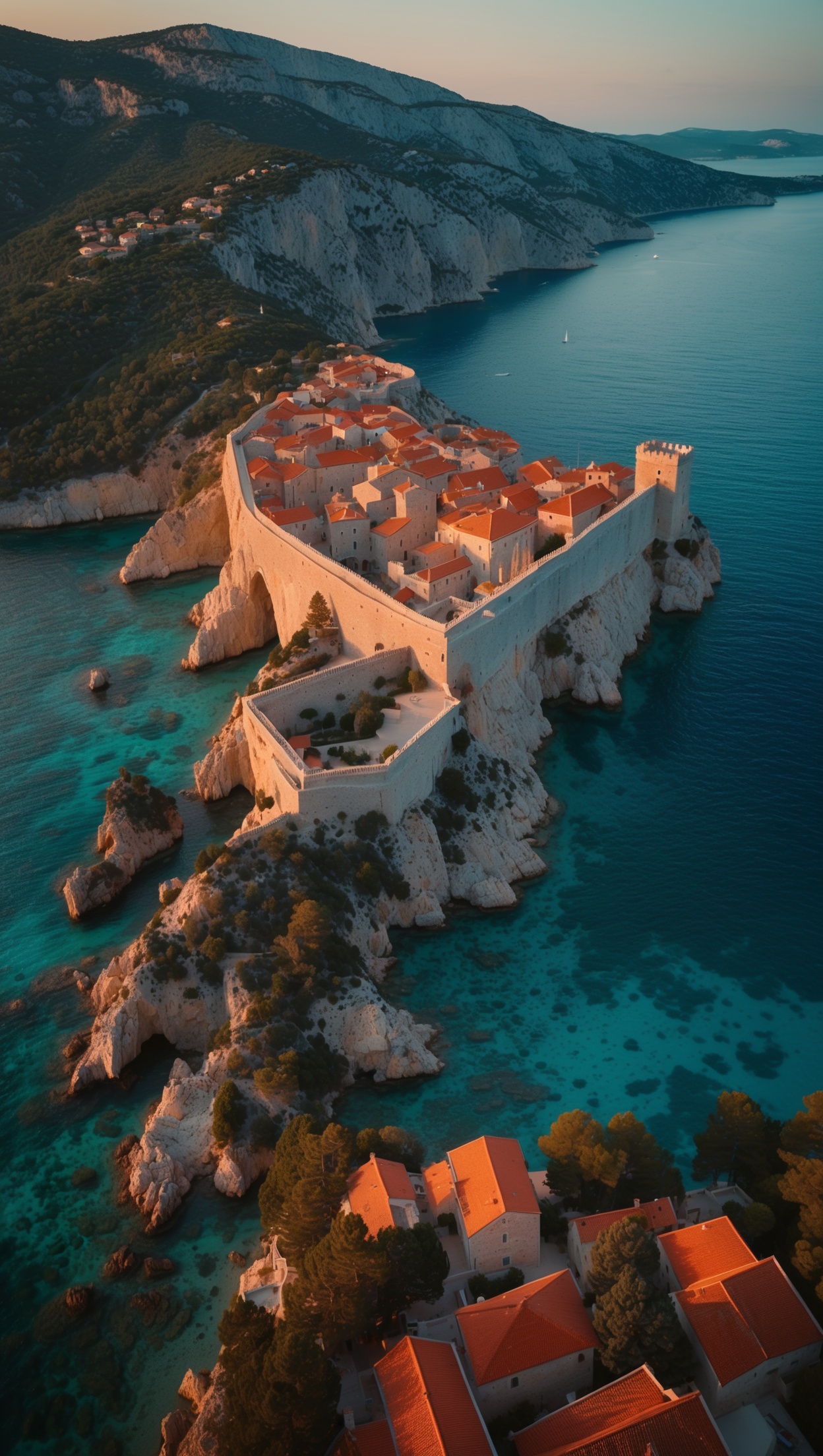
How to Backpack Through Croatia on a Budget
Croatia has earned its reputation as one of Europe's most stunning destinations — crystalline Adriatic waters, medieval walled cities, cascading national park waterfalls, and a coastline dotted with over a thousand islands. But it has also earned a reputation for being surprisingly expensive for a Southeast European country. The good news? With the right planning, backpacking through Croatia on a budget is absolutely achievable. This guide will show you exactly how.
When to Visit Croatia for the Best Value
Timing your trip is the single most powerful tool in your budget arsenal. Croatia's peak season runs from late June through August, when prices for accommodation, ferries and food skyrocket. Dubrovnik in July can feel more like a cruise ship terminal than a medieval city.
Instead, aim for the shoulder seasons:
- May and early June — warm weather, far fewer crowds, significantly lower prices
- September and October — arguably the best time to visit; the sea is still warm, prices drop and the light is golden
- April — ideal for budget hikers and those interested in Plitvice Lakes before the summer surge
Avoiding peak season can cut your accommodation costs by 30 to 50 percent alone.
Where to Sleep: Budget Accommodation in Croatia
Croatia has a solid hostel scene, particularly in cities like Split, Dubrovnik, Zagreb and Zadar. Dorm beds in well-rated hostels typically cost between €15 and €30 per night depending on location and season.
Best Budget Accommodation Options
- Hostels — Book early in peak season; look for hostels slightly outside the old towns for better rates
- Sobe (private rooms) — Traditional Croatian guesthouses offering rooms directly from local families, often excellent value
- Camping — Croatia has an outstanding camping culture; campsites line the coast and islands, often with sea views
- Apartments via local owners — Booking directly with apartment owners (look for signs as you arrive in smaller towns) can save significant fees
Pro tip: In Dubrovnik specifically, staying in the Lapad neighbourhood or taking a short ferry to the island of Lokrum can dramatically reduce your nightly costs compared to staying inside the city walls.
Getting Around Croatia Without Breaking the Bank
Transport is where many Croatia backpackers overspend. Here's how to navigate it smartly.
Buses
The bus network in Croatia is excellent and budget-friendly. FlixBus and local operators like Autotrans connect major cities and coastal towns. The Split to Dubrovnik route, for example, costs around €10 to €20 by bus compared to far more by private transfer.
Ferries and Catamarans
Island hopping is central to the Croatian experience. Jadrolinija operates the main state ferry network and is generally affordable, especially for foot passengers. Catamarans are faster but slightly pricier. Book in advance during summer months as boats do fill up.
Avoid Renting a Car in Peak Season
Rental cars are expensive in summer and parking in coastal towns is a nightmare. Stick to buses and ferries unless you're exploring inland Croatia in the off-season.
Eating Well on a Budget in Croatia
Croatian food is delicious, and you don't need to spend a fortune to eat well.
- Burek — Flaky pastry filled with meat or cheese, available at bakeries for under €2. The perfect backpacker breakfast.
- Ćevapi — Grilled minced meat served with flatbread and onions, typically €4 to €6 at local konobas (taverns)
- Markets — Every Croatian town has a morning market. Stock up on fresh fruit, vegetables, local cheese and prosciutto for cheap picnic lunches
- Pizza and pasta — Thanks to Italian influence, good pizza is everywhere and surprisingly affordable
- Supermarkets — Konzum and Spar are the main chains; self-catering for breakfast and lunch can halve your daily food spend
Avoid restaurants directly on the seafront or within city walls — the markup can be two to three times higher than a ten-minute walk inland.
Free and Cheap Things to Do in Croatia
Croatia's greatest attractions are largely its landscapes — and many are free or very low-cost.
- Walk the Dubrovnik city walls — There's an entrance fee (worth it), but the views are priceless
- Explore Split's Diocletian's Palace — The palace complex itself is free to wander; it's a living, breathing neighbourhood
- Swim at Zlatni Rat beach, Brač — One of Croatia's most iconic beaches, free to access
- Hike in Paklenica National Park — Far less visited than Plitvice but stunningly beautiful
- Wander Rovinj's old town — One of Istria's jewels and completely free to explore on foot
- Sunset at Zadar's Sea Organ — A free and unforgettable experience every evening
Plitvice Lakes National Park charges an entrance fee (around €10 to €30 depending on season), but it remains one of the world's great natural wonders and absolutely worth the cost.
Sample Daily Budget for Croatia
Here's a realistic breakdown for a budget backpacker travelling in shoulder season:
- Accommodation (hostel dorm): €15–€20
- Food (self-catering breakfast/lunch, cheap dinner): €15–€25
- Transport: €5–€15 (averaged daily)
- Activities and entrance fees: €5–€10
- Total daily estimate: €40–€70 per day
In peak season, expect to add 30 to 50 percent to these figures. In April or October, you may come in below the lower end.
Essential Packing Tips for Croatia
- Pack reef-safe sunscreen — Croatian beaches and protected marine areas will thank you
- Bring a reusable water bottle — tap water is safe and drinkable across Croatia
- Pack water shoes — many Croatian beaches are pebble or rocky
- A lightweight dry bag is essential for island hopping and boat trips
- Modest clothing for visiting churches and old towns in Dalmatia
Final Thoughts: Croatia on a Budget is Very Possible
Croatia is not the cheapest country in Europe, but it is far from inaccessible on a backpacker budget. Travel in the shoulder seasons, use buses and ferries over taxis and tours, eat like a local, and spend your time at the countless free natural and cultural wonders this country offers. You'll return home with extraordinary memories — and money still in your wallet.
Ready to start planning your Croatian adventure? Explore more destination guides and budget travel tips at gohorizon.eu.
Plan your trip with our trusted travel partners: touriDat for curated hotel & experience deals across Europe. Some links are affiliate links.