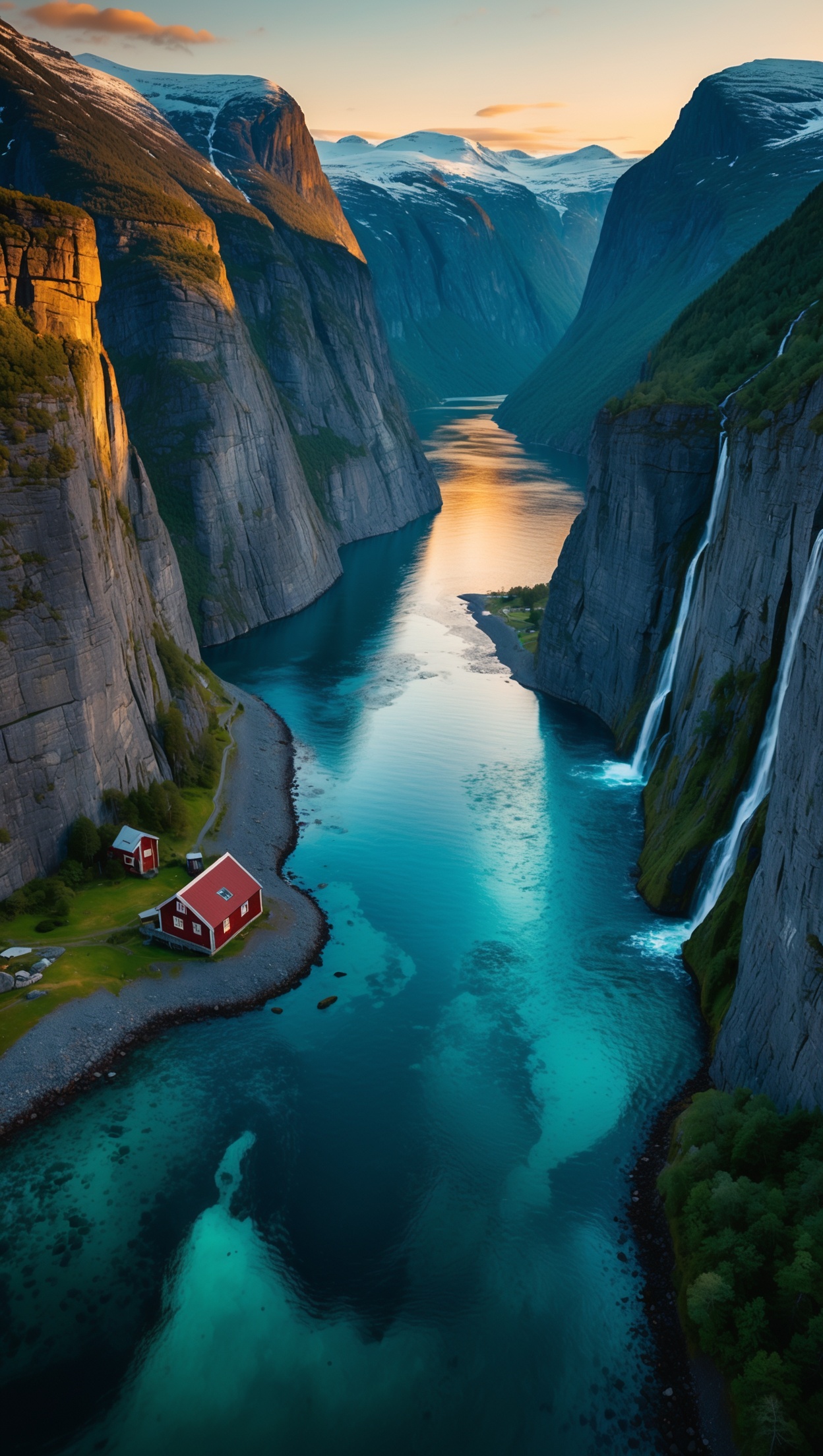
How to Explore Norway Fjords on a Budget
Norway is famous for its jaw-dropping fjords — those dramatic, glacier-carved inlets flanked by towering cliffs, thundering waterfalls and mirror-still water. But let's be honest: Norway has a reputation for being one of the most expensive countries in Europe. The good news? With smart planning, you can absolutely experience the magic of the Norwegian fjords without draining your savings. Here's everything you need to know.
When to Visit for the Best Prices
Timing is everything when travelling to Norway on a budget. The peak summer season runs from late June to mid-August, when prices for accommodation, ferries and tours spike dramatically. Instead, consider visiting during the shoulder seasons:
- May – early June: Waterfalls are at their most powerful from snowmelt, trails are opening up, and crowds are thin.
- September – October: Autumn colours paint the fjord landscapes in gold and red, and prices drop significantly.
- Late October – March: Budget-friendly winter travel with a chance to see the Northern Lights above the fjords — truly magical.
Avoiding peak season alone can save you 30–50% on accommodation and transport.
Getting to the Fjords Cheaply
Flights to Norway
Look for budget flights into Bergen, often called the gateway to the fjords, or into Oslo for more flight options. Airlines like Norwegian Air and Wizz Air frequently offer competitive fares, especially if booked months in advance. Setting up fare alerts and travelling mid-week can also significantly reduce your costs.
Trains and Buses
Once in Norway, the train network is scenic, reliable and often surprisingly affordable if booked early. The legendary Bergen Railway (Bergensbanen) connecting Oslo and Bergen is one of the world's most beautiful train journeys — and tickets can be as low as €20–€30 if purchased in advance on the Norwegian Railways (Vy) website.
Long-distance buses operated by Vy Bus4You and Nettbuss connect major towns and fjord villages at a fraction of the cost of car hire or guided tours.
Ferries and Fjord Cruises
The iconic Sognefjord and Nærøyfjord can both be explored via public ferries, which are far cheaper than private cruise packages. The Gudvangen–Flåm ferry through Nærøyfjord (a UNESCO World Heritage Site) is one of the most spectacular boat rides in the world — and costs just a fraction of luxury cruise prices when booked as a standalone public ferry.
Free and Low-Cost Things to Do
Hike the Famous Trails
Norway's greatest treasure is its right to roam (allemannsretten), meaning almost all natural areas — including fjord-side hiking trails — are completely free to access. Some of the best budget experiences include:
- Pulpit Rock (Preikestolen): A dramatic flat cliff 604 metres above the Lysefjord. The hike is free; just pay for parking or a local bus.
- Trolltunga: One of Norway's most iconic rock formations above Hardangerfjord. The trail is free and takes roughly 10–12 hours return.
- Kjeragbolten: A boulder wedged between cliffs above the Lysefjord — a challenging but unforgettable free hike.
- Flåm Valley Walks: Several short, marked trails around Flåm offer fjord views without any cost.
Flåm Railway
The Flåmsbana railway is one of the steepest standard-gauge railways in the world, descending through waterfalls and mountain scenery. It isn't free, but booking in advance online significantly reduces the ticket price. It's worth every penny as part of the famous Norway in a Nutshell self-guided route.
Budget Accommodation in the Fjords
Camping
Norway's allemannsretten also allows free wild camping on uncultivated land for up to two nights. Camping beside a fjord under the midnight sun or the Northern Lights is an experience money simply can't buy — and it truly costs nothing. Bring a quality tent, a sleeping bag rated for cold temperatures and respect the natural environment.
Hostels and Hytter (Cabins)
Budget-friendly hostels exist in Bergen, Flåm, Voss and Åndalsnes, often with dormitory beds from €25–€35 per night. Traditional Norwegian hytter (cabins) rented through local platforms can also be surprisingly affordable when split among a group, especially outside peak season.
DNT Mountain Huts
The Norwegian Trekking Association (DNT) operates a network of staffed and self-service mountain huts across Norway's hiking routes. With a DNT membership (around €55/year), overnight stays are heavily discounted — an excellent investment for a longer hiking trip through fjord country.
Eating on a Budget in Norway
Food is one of Norway's biggest expenses for travellers. Here's how to eat well without overspending:
- Shop at supermarkets: Chains like Rema 1000, Kiwi and Coop Extra offer affordable groceries. Pack your own lunches for hikes.
- Cook in hostels: Most hostels have communal kitchens — use them.
- Lunch specials: Many Norwegian restaurants offer a dagens rett (dish of the day) at lunchtime, typically a full meal for €12–€18 — much cheaper than dinner menus.
- Gas station food: Norwegian petrol stations (like Deli de Luca) serve surprisingly good hot food at reasonable prices.
- Tap water: Norwegian tap water is exceptionally clean and free — never buy bottled water.
The Norway in a Nutshell Route — Budget Style
The self-guided Norway in a Nutshell route combines the Bergen Railway, the Flåm Railway, a Nærøyfjord ferry and a bus through Stalheimskleiva — all bookable as individual segments for less than the bundled tourist package. Travelling this route independently can save you €40–€80 per person compared to official package prices, while delivering exactly the same breathtaking scenery.
Practical Budget Tips at a Glance
- Book all transport (trains, ferries, buses) as early as possible for the lowest fares.
- Travel with a group to split cabin or hut rental costs.
- Use the Visit Norway website for free itinerary inspiration and transport planning tools.
- Download offline maps (Maps.me or OSMAnd) to avoid expensive roaming data charges.
- Consider a Interrail / Eurail pass if combining Norway with other Scandinavian countries.
- Always carry cash — some remote areas and rural ferries don't accept cards.
Final Thoughts
Norway's fjords rank among the most spectacular natural landscapes on Earth, and experiencing them doesn't have to cost a fortune. With thoughtful timing, early bookings, free hiking, wild camping and smart food choices, a fjord adventure on a genuine budget is absolutely achievable. The mountains, the waterfalls, the silence and the staggering beauty — none of that costs a thing. Pack your bags, lace up your boots and let Norway's fjords take your breath away.
Plan your trip with our trusted travel partners: touriDat for curated hotel & experience deals across Europe. Some links are affiliate links.