7 Ways to Visit Iceland Without Broke

Island günstig: 7 Spartipps

7 Ways to Visit Iceland Without Broke

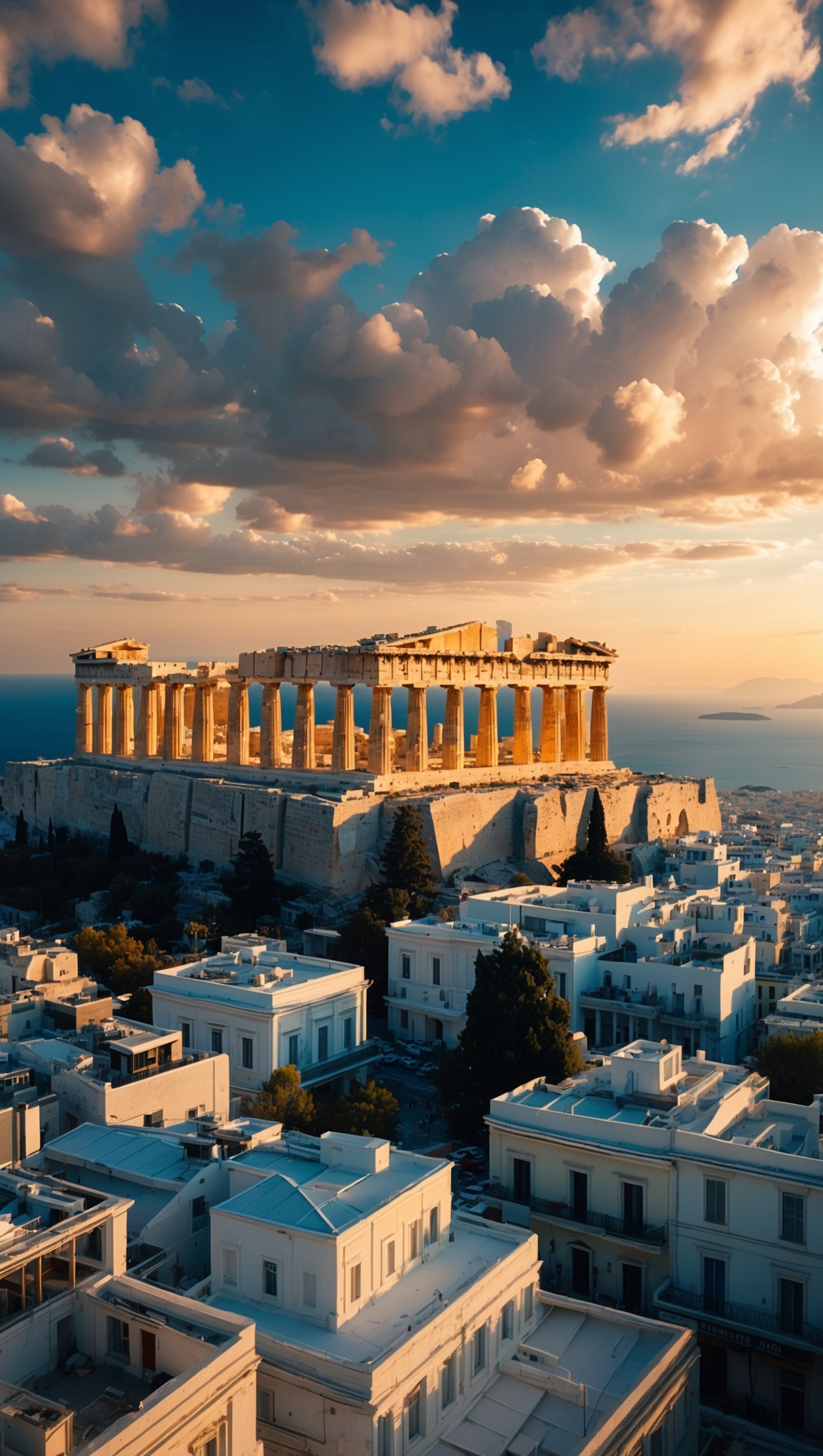
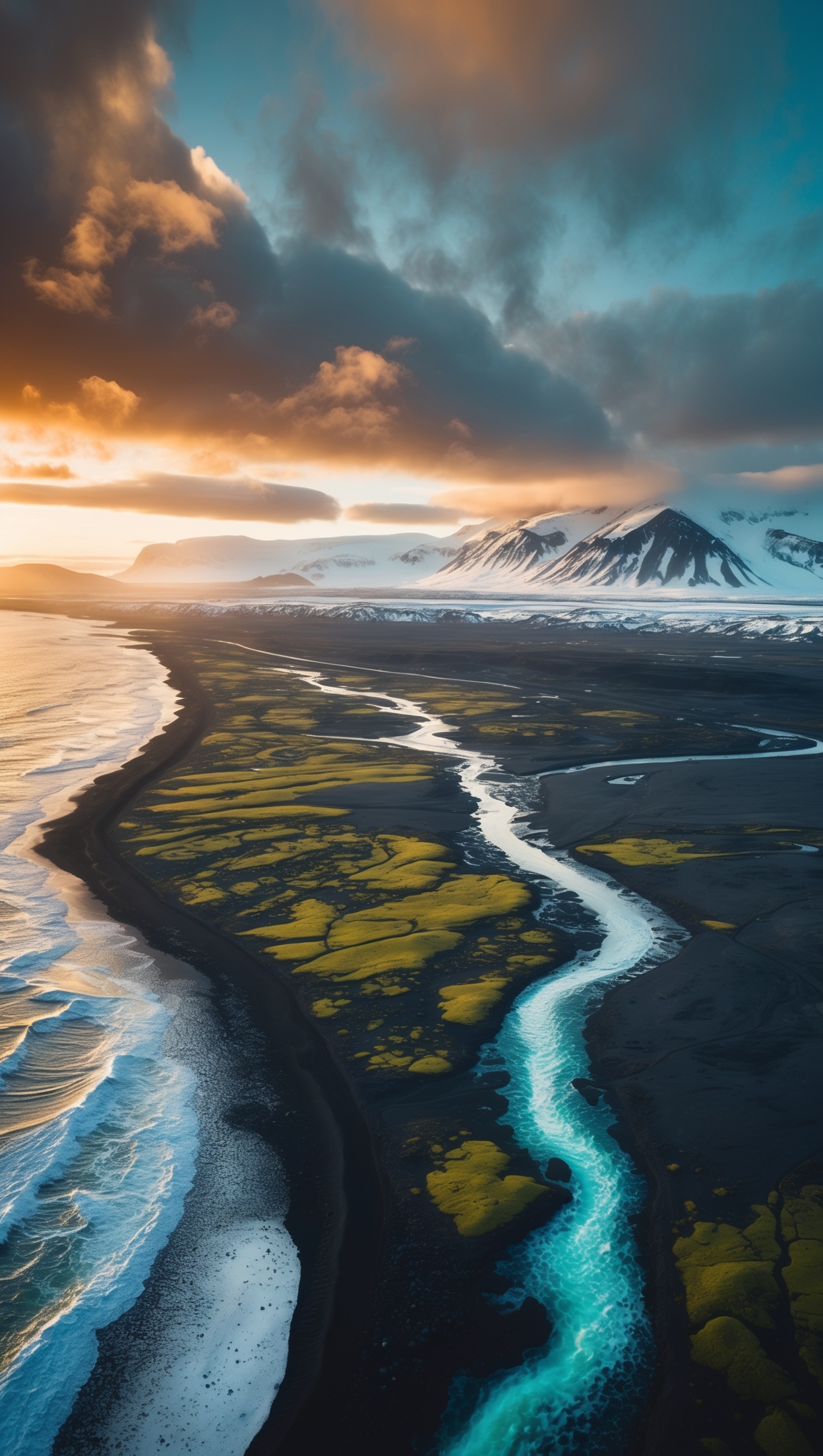
Image: AI-generated · Bild: KI-generiert

🇬🇧 English

How to Visit Iceland on a Budget: Your Complete Guide

Iceland has a reputation as one of the most expensive destinations in the world — and honestly, that reputation isn't entirely wrong. But here's the truth seasoned travellers already know: Iceland can be done affordably if you plan smart, travel at the right time, and know where to look for deals. This complete guide will show you exactly how.

1. Choose the Right Time to Visit

Timing is everything when it comes to keeping costs low in Iceland. The peak summer season (June–August) brings the midnight sun, warm temperatures, and tourist crowds — along with premium prices for flights and accommodation.

  • Shoulder season (May & September): The sweet spot. Fewer tourists, lower prices, and still great conditions for sightseeing.
  • Winter (November–February): The cheapest time to fly and stay. You'll also have your best chance of seeing the Northern Lights.
  • Avoid school holidays: Prices spike across Europe during school breaks, which impacts Iceland too.

2. Find Cheap Flights to Iceland

Reykjavík's Keflavík International Airport (KEF) is well connected to Europe and North America. Here's how to score the best fares:

  • Set up price alerts on Google Flights and Skyscanner for your travel dates.
  • Fly mid-week — Tuesdays and Wednesdays are typically cheaper than weekends.
  • Consider budget carriers like Icelandair, Play, or Wizz Air depending on your origin.
  • Book well in advance or watch for last-minute sales — both extremes can offer savings.

3. Save Big on Accommodation

Accommodation is where budgets often get wrecked in Iceland. Here's how to keep costs down:

Guesthouses & Hostels

Skip the boutique hotels and opt for guesthouses or hostel dorms, especially in Reykjavík. Many offer communal kitchens — a huge bonus for self-catering. Book your stay through touriDat for exclusive deals on Icelandic accommodation.

Camping

Iceland has an excellent network of campsites open from mid-May to September. For around €12–€18 per night, you can pitch a tent in some of the most dramatic landscapes on Earth. Find the best campsite booking rates on touriDat before your trip.

Farm Stays

Staying on a working farm is a uniquely Icelandic experience and often much more affordable than city hotels. It's also a wonderful way to connect with local life.

4. Rent a Car the Smart Way

A rental car is almost essential in Iceland if you want to explore beyond Reykjavík — public transport is very limited outside the capital. To keep costs manageable:

  • Book your rental car as early as possible — prices rise sharply closer to the date.
  • Consider a small, fuel-efficient car if you're sticking to the Ring Road and paved roads.
  • Only upgrade to a 4WD if you're planning to venture onto F-roads (highland tracks), which require it.
  • Compare fuel prices and fill up in towns rather than remote petrol stations.
  • Look into local rental companies for better rates than international chains.

5. Stay Connected for Less

Iceland has excellent mobile coverage across most of the Ring Road and major attractions. Instead of paying roaming charges, pick up a local or travel SIM before or after you land. travSIM DACH offers affordable eSIM and SIM card options designed for travellers heading to Scandinavia and Iceland, so you can use maps, book accommodation, and stay in touch without the bill shock. Don't forget to check travSIM DACH for current data deals before you fly.

6. Eat Well Without Spending a Fortune

Eating out in Iceland is genuinely expensive — a sit-down meal can easily cost €25–€40 per person. Here's how budget travellers eat smart:

  • Self-cater: Supermarkets like Bónus, Krónan, and Nettó are your best friends. Stock up on basics and cook in hostel or campsite kitchens.
  • Street food and bakeries: Reykjavík has fantastic hot dogs (pylsur) from Bæjarins Beztu — an Icelandic institution for around €3–€5.
  • Lunch specials: Many restaurants offer a 'lunch of the day' (dagsréttir) at a fraction of the dinner price.
  • Pack snacks: For road trips, having food in the car saves you from expensive roadside stops.

7. Explore Iceland's Free Attractions

One of Iceland's greatest gifts to the budget traveller is that nature is largely free. While some popular sites charge parking fees, most of what makes Iceland spectacular costs nothing to see:

  • Geysir Geothermal Area: Free to enter — watch Strokkur erupt every 5–10 minutes.
  • Gullfoss Waterfall: One of Europe's most powerful waterfalls, entirely free to visit.
  • Seljalandsfoss & Skógafoss: Free access (small parking fee).
  • Northern Lights: The greatest light show on Earth — and completely free.
  • Reynisfjara Black Sand Beach: Iconic and free to visit.
  • The Reykjanes Peninsula: Volcanic landscapes, geothermal vents, and dramatic coastline — largely free to explore.

8. Use the Reykjavík City Card

If you're spending time in the capital, the Reykjavík City Card offers unlimited access to public transport, entry to swimming pools (including the famous geothermal pools), and discounts at many museums and attractions. For city-based exploration, it often pays for itself within a day.

9. Swim in Geothermal Pools — Skip the Blue Lagoon

The Blue Lagoon is iconic but expensive (entry starts at around €60 and rises sharply during peak periods). Instead, swim like a local:

  • Reykjavík swimming pools: Entry costs around €5–€7. Most neighbourhoods have one with hot pots, saunas, and slides.
  • Secret Lagoon (Gamla Laugin): A more affordable and authentic alternative in Flúðir.
  • Myvatn Nature Baths: In the north of Iceland, this is cheaper and equally stunning.
  • Wild hot springs: Iceland has dozens of free natural hot springs — research before you go for hidden gems.

10. Budget Planning: What Does Iceland Really Cost?

Here's a realistic daily budget breakdown for a budget-conscious traveller in Iceland:

  • Accommodation: €15–€30 (camping or hostel dorm)
  • Food: €20–€35 (mostly self-catered with occasional café stop)
  • Transport: €20–€40 (fuel and car rental split between travellers)
  • Activities: €0–€15 (focusing on free nature attractions)
  • Total daily estimate: €55–€120 per person

Compare this to the €200–€350+ per day that unprepared tourists can easily spend, and the savings are significant. With smart planning, a 10-day Iceland trip can be achieved for under €1,000 all-in — flights included — if you're disciplined and flexible.

Final Thoughts: Iceland Is Worth Every Cent

Iceland will never be the cheapest destination in the world. But with the right approach, it doesn't have to drain your bank account either. Plan your timing carefully, embrace self-catering, prioritise free natural wonders, and use tools like touriDat to find the best accommodation deals. Stay connected on the road affordably with travSIM DACH, and you'll be free to focus on what really matters — experiencing one of the most extraordinary landscapes on the planet.

Iceland is calling. Answer it without breaking the bank.

Plan your trip with our trusted travel partners: touriDat for curated hotel & experience deals across Europe. Some links are affiliate links.

🇩🇪 Deutsch

Dieser Artikel enthält Affiliate-Links (Werbung). Kaufst du darüber, erhalten wir ggf. eine Provision – für dich ohne Mehrkosten.

Island günstig bereisen: Der komplette Sparführer

Island gilt als eines der teuersten Reiseziele der Welt – und dieser Ruf ist nicht völlig unbegründet. Doch erfahrene Reisende wissen: Island lässt sich durchaus günstig bereisen, wenn man clever plant, zur richtigen Zeit reist und weiß, wo man die besten Angebote findet. Dieser umfassende Leitfaden zeigt dir genau, wie das geht.

1. Den richtigen Reisezeitpunkt wählen

Der Zeitpunkt deiner Reise ist entscheidend für dein Budget. In der Hochsaison (Juni bis August) lockt die Mitternachtssonne – aber auch Menschenmassen und Höchstpreise bei Flügen und Unterkünften.

  • Nebensaison (Mai & September): Die beste Kombination aus weniger Touristen, niedrigeren Preisen und guten Bedingungen für Ausflüge.
  • Winter (November–Februar): Die günstigste Reisezeit. Dazu hast du die besten Chancen auf ein Nordlichter-Erlebnis.
  • Schulferien meiden: Während europäischer Schulferien steigen die Preise spürbar – auch in Island.

2. Günstige Flüge nach Island finden

Der internationale Flughafen Keflavík (KEF) bei Reykjavík ist gut mit Europa und Nordamerika verbunden. So sicherst du dir die besten Preise:

  • Richte Preisalarme bei Google Flights und Skyscanner ein.
  • Fliege unter der Woche – Dienstag und Mittwoch sind oft günstiger als am Wochenende.
  • Nutze Billigflieger wie Icelandair, Play oder Wizz Air, je nach Abflugort.
  • Buche weit im Voraus oder halte Ausschau nach Last-Minute-Angeboten – beide Extreme können sich lohnen.

3. Günstige Unterkünfte in Island

Die Unterkunft ist oft der größte Kostenfaktor in Island. So sparst du effektiv:

Gästehäuser & Hostels

Verzichte auf teure Designhotels und wähle stattdessen Gästehäuser oder Hostels mit Gemeinschaftsküche. Das ermöglicht dir, selbst zu kochen und enorm zu sparen. Die besten Angebote für Unterkünfte in Island findest du bei touriDat.

Camping

Island verfügt über ein hervorragendes Netz an Campingplätzen, die von Mitte Mai bis September geöffnet sind. Für ca. 12–18 € pro Nacht schläfst du inmitten spektakulärer Landschaften. Vergleiche Campingplatz-Preise und buche günstig über touriDat.

Bauernhofaufenthalte

Übernachtungen auf isländischen Bauernhöfen sind authentisch und oft deutlich günstiger als Stadthotels. Eine tolle Möglichkeit, die lokale Kultur kennenzulernen.

4. Mietwagen clever buchen

Ein Mietwagen ist in Island fast unverzichtbar, da der öffentliche Nahverkehr außerhalb von Reykjavík sehr begrenzt ist. So hältst du die Kosten im Griff:

  • Buche so früh wie möglich – die Preise steigen kurz vor der Reise stark an.
  • Ein kleines, sparsames Fahrzeug reicht vollkommen aus, wenn du dich auf den Ring Road und asphaltierte Straßen beschränkst.
  • Nur wenn du F-Straßen (Hochlandpisten) befahren möchtest, brauchst du einen 4WD.
  • Tanke bevorzugt in Ortschaften – Tankstellen in abgelegenen Gebieten verlangen oft höhere Preise.
  • Lokale Autovermietungen sind häufig günstiger als internationale Ketten.

5. Günstig mobil bleiben – SIM für Island

Island hat eine hervorragende Mobilfunkabdeckung entlang des Ring Roads und an allen wichtigen Sehenswürdigkeiten. Statt teurer Roaming-Gebühren empfiehlt sich eine Reise-SIM oder eSIM. travSIM DACH bietet günstige Datenpakete speziell für Reisende nach Skandinavien und Island – ideal für Navigation, Unterkunftsbuchungen und den Kontakt nach Hause. Vergleiche aktuelle Tarife direkt bei travSIM DACH, bevor du losfährst.

6. Günstig essen in Island

Restaurantbesuche können in Island schnell teuer werden – ein normales Abendessen kostet oft 25–40 € pro Person. So isst du auch mit kleinem Budget gut:

  • Selbst kochen: Die Supermarktketten Bónus, Krónan und Nettó bieten günstige Grundnahrungsmittel. Eine Gemeinschaftsküche im Hostel oder auf dem Campingplatz ist Gold wert.
  • Streetfood: Die berühmten isländischen Hotdogs (Pylsur) bei Bæjarins Beztu in Reykjavík kosten nur 3–5 € und sind ein Muss.
  • Mittagsmenüs: Viele Restaurants bieten das „Tagesgericht" (Dagsréttir) zu einem Bruchteil des Abendpreises an.
  • Snacks einpacken: Für Roadtrips lohnt es sich, Verpflegung mitzunehmen – teure Tankstellenstopps ade.

7. Kostenlose Sehenswürdigkeiten in Island

Einer der größten Vorteile Islands für Budgetreisende: Die Natur ist weitgehend kostenlos. Für die meisten Highlights zahlst du höchstens eine kleine Parkgebühr:

  • Geysir-Geothermalgebiet: Kostenloser Eintritt – der Geysir Strokkur bricht alle 5–10 Minuten aus.
  • Gullfoss-Wasserfall: Einer der mächtigsten Wasserfälle Europas – komplett kostenlos.
  • Seljalandsfoss & Skógafoss: Freier Zugang (kleine Parkgebühr).
  • Nordlichter: Das spektakulärste Naturschauspiel der Welt – und völlig gratis.
  • Reynisfjara Schwarzer Sandstrand: Ikonisch und kostenlos zu besuchen.
  • Reykjanes-Halbinsel: Vulkanische Landschaften, Geothermalquellen und dramatische Küste – größtenteils gratis zugänglich.

8. Die Reykjavík City Card nutzen

Wer mehrere Tage in der Hauptstadt verbringt, sollte die Reykjavík City Card in Betracht ziehen. Sie bietet unbegrenzte Nutzung des öffentlichen Nahverkehrs, freien Eintritt in Schwimmbäder (einschließlich der berühmten Geothermalbäder) sowie Rabatte auf viele Museen und Attraktionen.

9. Geothermalbäder – Alternativen zur Blauen Lagune

Die Blaue Lagune ist weltberühmt, aber teuer – der Eintritt beginnt bei rund 60 € und steigt in der Hochsaison weiter an. Diese Alternativen sind günstiger und genauso entspannend:

  • Schwimmbäder in Reykjavík: Eintritt ca. 5–7 € – mit Hot Pots, Saunas und Rutschen.
  • Secret Lagoon (Gamla Laugin): Authentischer und günstiger, im Dorf Flúðir gelegen.
  • Myvatn Nature Baths: Im Norden Islands – günstiger als die Blaue Lagune und genauso beeindruckend.
  • Wilde Thermalquellen: Island hat Dutzende kostenloser natürlicher Heißquellen – Recherche lohnt sich!

10. Realistisches Tagesbudget für Island

Hier ist eine realistische Übersicht, was eine Islandreise mit Budgetstrategie pro Tag kosten kann:

  • Unterkunft: 15–30 € (Camping oder Hostel-Schlafsaal)
  • Essen: 20–35 € (überwiegend selbst gekocht, gelegentlich Café-Stopp)
  • Transport: 20–40 € (Kraftstoff und Mietwagen, auf Reisende aufgeteilt)
  • Aktivitäten: 0–15 € (Schwerpunkt auf kostenfreie Naturattraktionen)
  • Tagesbudget gesamt: ca. 55–120 € pro Person

Im Vergleich zu den 200–350 € täglich, die unvorbereitete Touristen leicht ausgeben, sind das erhebliche Ersparnisse. Mit sorgfältiger Planung kann ein 10-tägiger Islandtrip – inklusive Flügen – für unter 1.000 € pro Person gelingen.

Fazit: Island lohnt sich – auch mit kleinem Budget

Island wird nie die günstigste Destination sein. Doch mit der richtigen Herangehensweise musst du deinen Kontostand auch nicht schröpfen. Plane deinen Reisezeitpunkt strategisch, setze auf Selbstverpflegung, entscheide dich für kostenlose Naturwunder und nutze touriDat, um die besten Unterkunftsdeals zu finden. Bleibe unterwegs günstig vernetzt mit travSIM DACH – und genieße eines der atemberaubendsten Reiseziele der Welt, ohne dir Sorgen ums Geld machen zu müssen.

Island wartet auf dich. Und dein Budget muss dich nicht aufhalten.

Plane deine Reise mit unseren vertrauenswürdigen Partnern: touriDat für kuratierte Hotel- & Erlebnis-Deals in ganz Europa. Einige Links sind Affiliate-Links.