How to Visit Iceland on a Budget: Your Complete Guide
Iceland has long carried a reputation as one of the most expensive destinations in the world. Glaciers, geysers, volcanoes, and the Northern Lights — the scenery is absolutely breathtaking, but many travellers assume their bank account has to suffer for it. The good news? With smart planning, you can absolutely experience the magic of Iceland without spending a small fortune. Here's everything you need to know.
1. Book Flights Strategically
Your biggest expense will likely be getting there. Here's how to cut costs:
- Fly during the shoulder season — Late April to May and September to early October offer mild weather, fewer crowds, and significantly lower fares.
- Use fare alerts on Google Flights or Skyscanner to catch price drops the moment they happen.
- Book early or last-minute — Iceland flights tend to dip in price at extreme ends of the booking window.
- Check Icelandair's stopover deals — If you're travelling from North America or Europe, Icelandair sometimes offers free stopovers in Reykjavík as part of a longer itinerary.
2. Find Affordable Accommodation
Hotels in Iceland can be eye-wateringly expensive, but alternatives exist if you know where to look. Book your stay through touriDat for exclusive deals on guesthouses and boutique hotels across Iceland. Find the best rates on touriDat before finalising your itinerary — early planning really does pay off here.
- Guesthouses and hostels — Particularly in Reykjavík and along the Ring Road, budget guesthouses offer clean rooms at a fraction of hotel prices.
- Camping — Iceland has an excellent network of official campsites. From June to August, camping is both legal and affordable, with sites costing around €10–€20 per night.
- Airbnb or vacation rentals — Splitting a rental with friends dramatically reduces per-person costs.
- Farm stays — Unique, often affordable, and a genuinely authentic Icelandic experience.
3. Get a Travel SIM Card
Staying connected while exploring remote regions of Iceland is not just convenient — it's a safety necessity. Iceland's roads can be unpredictable, and having a reliable data connection for navigation and emergency contact is essential. Pick up a travel SIM through travSIM DACH before you leave home for seamless coverage. With travSIM DACH, you avoid expensive roaming charges while still enjoying fast data across Iceland's vast landscapes.
4. Eat Smart
Food in Iceland is notoriously expensive at restaurants, but you can eat well without overspending:
- Buy groceries at Bónus or Krónan — These are Iceland's budget supermarket chains. Stock up on supplies, especially if you're camping or self-catering.
- Grab a hot dog at Bæjarins Beztu Pylsur — Reykjavík's most famous hot dog stand sells filling snacks for just a few hundred Icelandic króna.
- Eat lunch instead of dinner at restaurants — Many Icelandic restaurants offer lunch specials that are significantly cheaper than evening menus.
- Cook your own meals — Self-catering accommodation with kitchen access will save you hundreds over a week-long trip.
5. Explore Free Natural Attractions
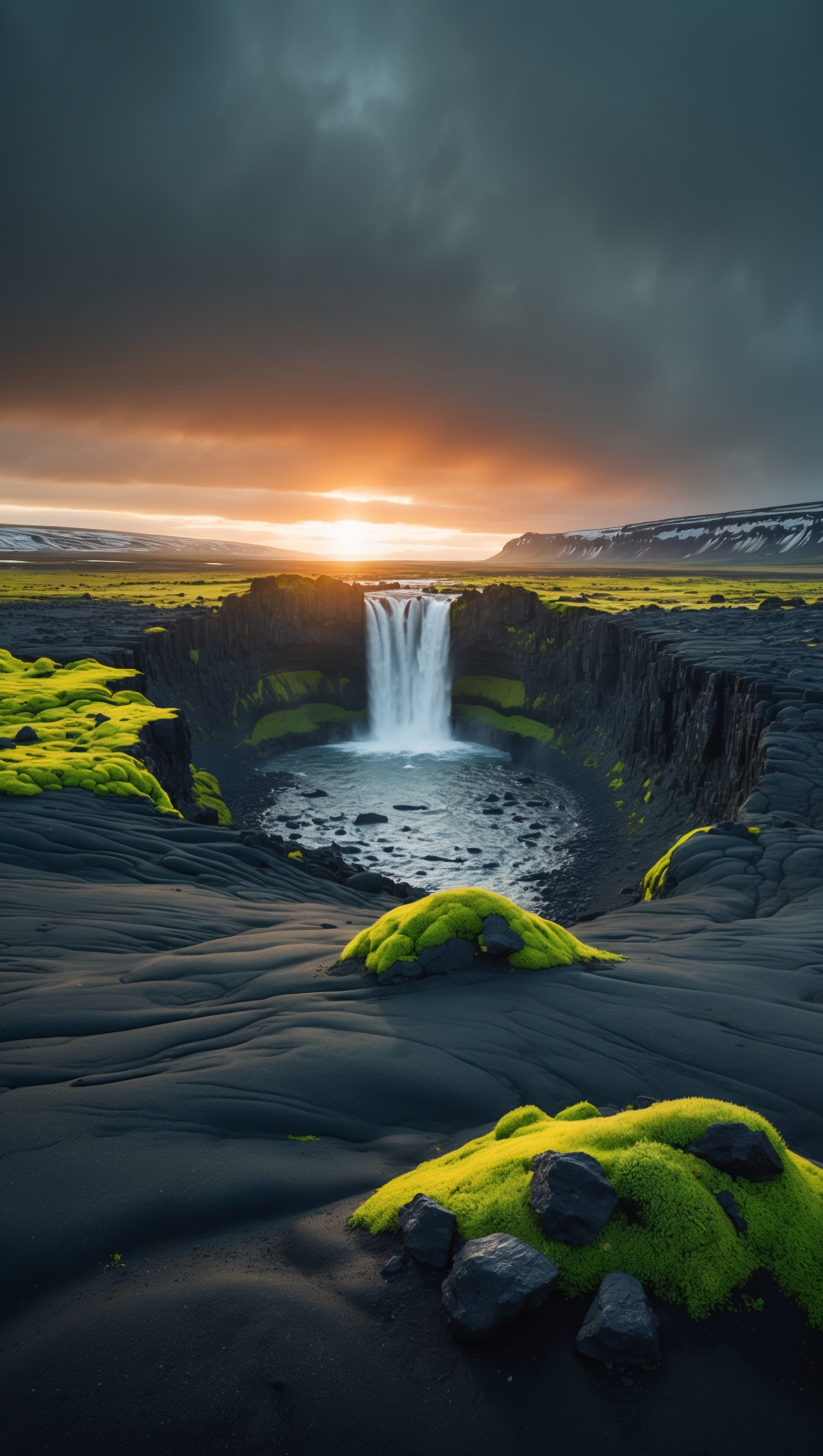
Here's the beautiful secret about Iceland: nature is free. The country's most iconic sights cost absolutely nothing to visit.
- The Golden Circle — Þingvellir National Park, Geysir geothermal area, and Gullfoss waterfall are all free to enter.
- Seljalandsfoss and Skógafoss waterfalls — Two of Iceland's most photographed waterfalls, both freely accessible.
- Reynisfjara Black Sand Beach — Dramatic and striking, with no admission fee.
- The Northern Lights — If you visit between September and March, catching the aurora borealis costs nothing beyond your time and a clear sky.
- Hiking trails — Iceland offers extraordinary trekking opportunities, from short walks to multi-day hikes, many of which are entirely free.
6. Rent a Car Wisely
Public transport outside Reykjavík is extremely limited. Renting a car is the most practical way to explore Iceland, but costs can add up:
- Book in advance — Last-minute car rentals in Iceland can be extremely expensive, especially in summer.
- Choose a smaller vehicle — Unless you plan on driving Highland F-roads, a standard 2WD car is sufficient and far cheaper than a 4WD SUV.
- Compare rental companies — Use aggregators to find the most competitive pricing.
- Fuel up at N1 or Orkan stations — These tend to offer the best petrol prices, and some have loyalty discounts.
7. Use the Reykjavík City Card
If you're spending a day or two in the capital, the Reykjavík City Card offers unlimited access to museums, the city's geothermal pools, and public transport for a flat fee. It pays for itself quickly if you plan to visit multiple museums.
8. Visit the Geothermal Pools
Skip the pricey Blue Lagoon (around €50–€90 per entry) and head instead to local geothermal pools called sundlaugar. The Reykjavík area alone has several public pools that charge just €7–€10 for entry — and they're where locals actually go. Laugardalslaug, Vesturbæjarlaug, and the newer Nauthólsvík geothermal beach are all excellent choices.
Final Thoughts
Iceland doesn't have to be a destination reserved for big spenders. With thoughtful planning around accommodation, transport, food, and activities, you can experience one of the world's most extraordinary landscapes at a fraction of what most travellers pay. Book smart, travel in the shoulder season, embrace the outdoors — and Iceland will reward you richly.
Ready to start planning? Secure your accommodation deals via touriDat and sort your travel SIM through travSIM DACH so you're fully prepared for your Icelandic adventure.
Plan your trip with our trusted travel partners: touriDat for curated hotel & experience deals across Europe. Some links are affiliate links.