This article contains affiliate links. If you buy through them, we may earn a commission at no extra cost to you.
How to Visit the Swiss Alps on a Budget: Adventure for Less
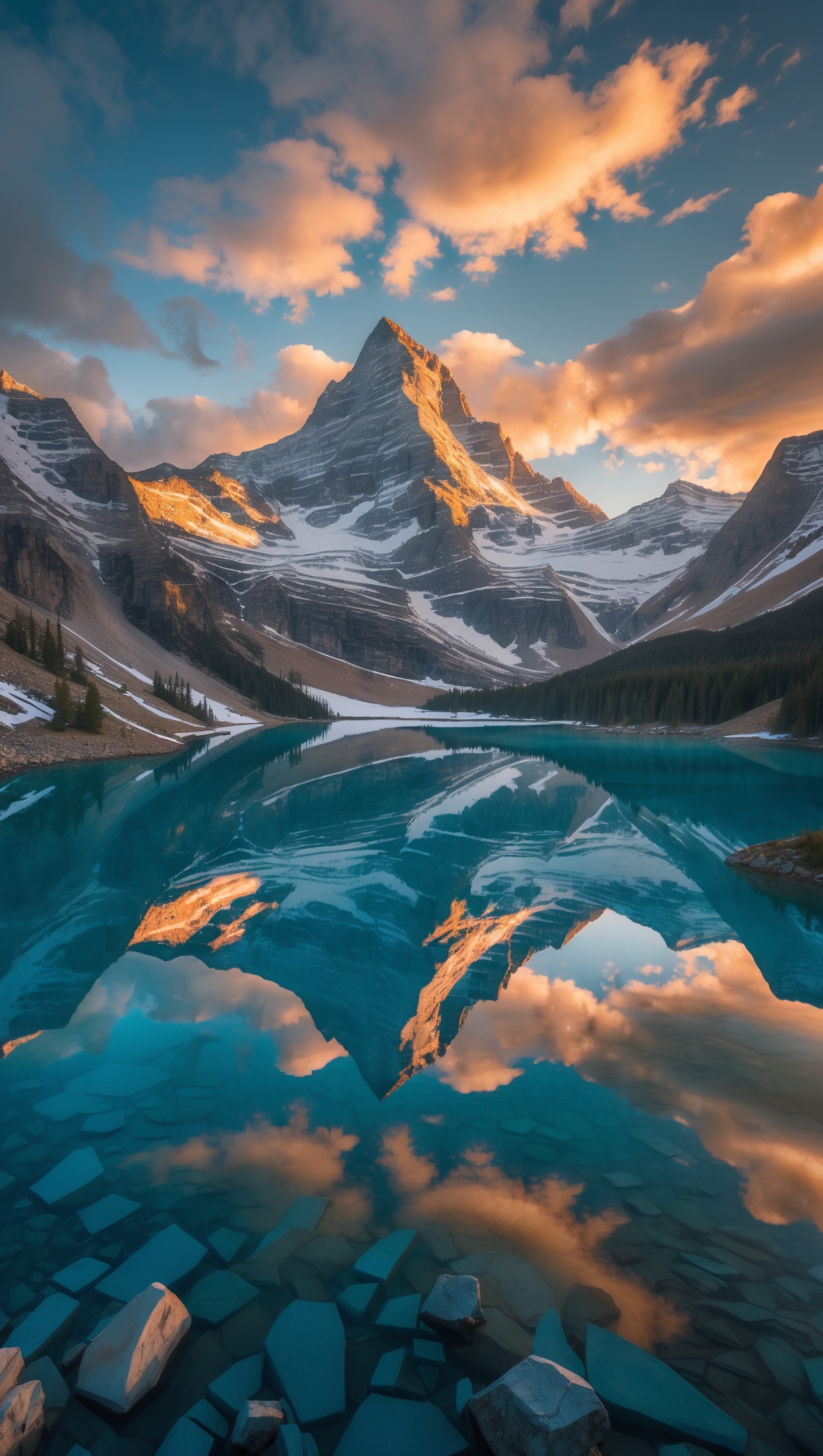
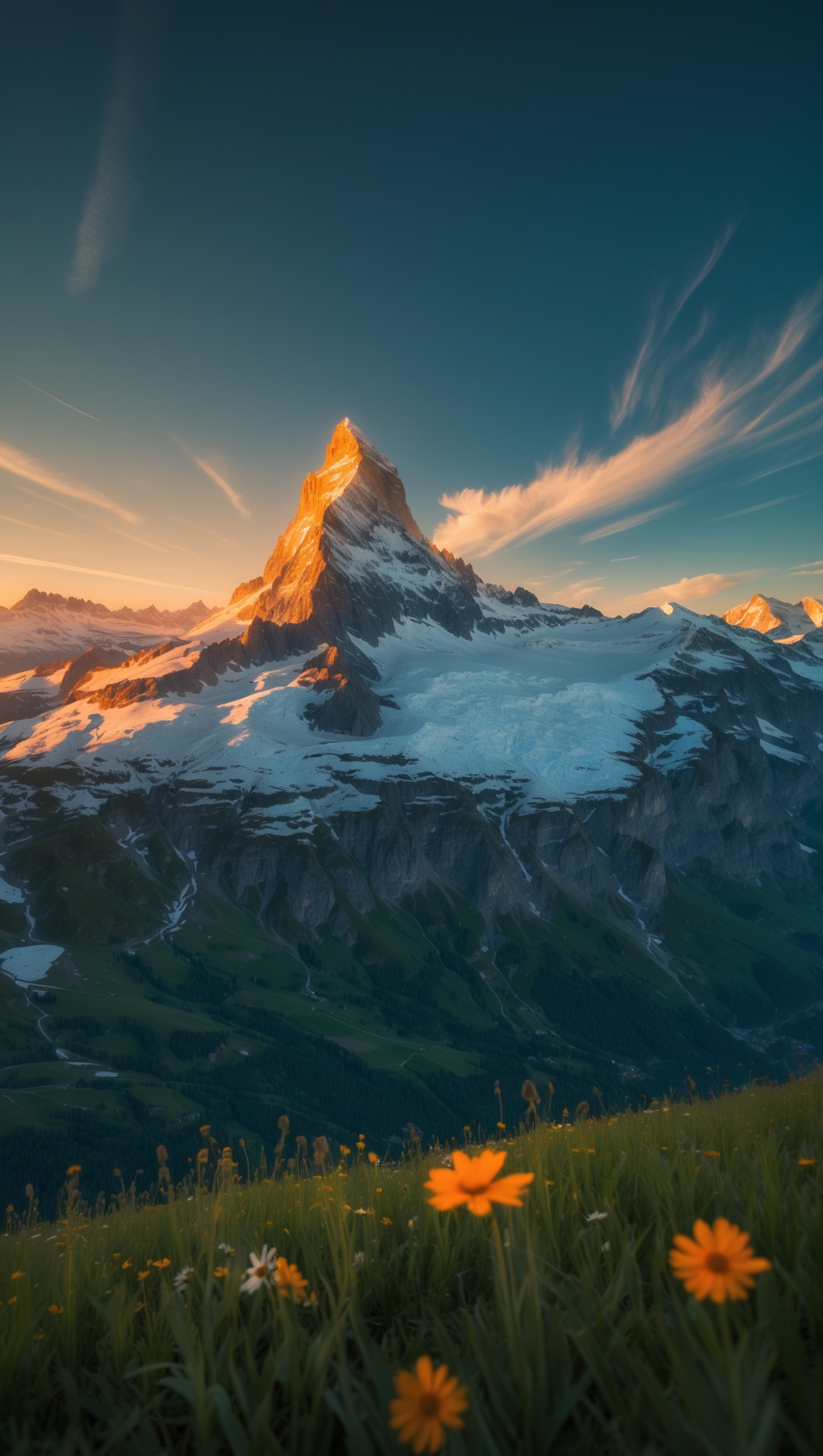
Switzerland has a reputation for being one of the most expensive countries in the world — and honestly, it can be. But the good news? The Swiss Alps are absolutely worth visiting, and with the right planning, you can experience jaw-dropping mountain scenery, thrilling hikes, and authentic alpine culture without completely draining your bank account. Here's everything you need to know to make it happen.
Choose the Right Time to Visit
Timing is everything when travelling on a budget. The shoulder seasons — late spring (May–June) and early autumn (September–October) — offer significantly lower prices on accommodation and fewer crowds. You'll still enjoy stunning landscapes, blooming meadows, and crisp mountain air without the peak-season price tags. Avoid July, August, and the peak ski weeks in January and February if budget is a priority.
Where to Sleep: Budget Accommodation in the Alps
Switzerland isn't exactly known for cheap hotels, but there are solid options if you know where to look.
- Mountain Huts (SAC Hütten): Run by the Swiss Alpine Club, these huts offer dormitory-style sleeping in breathtaking locations for around CHF 40–60 per night including breakfast. A genuinely unforgettable experience.
- Hostels: Cities and mountain towns like Interlaken, Grindelwald, and Zermatt all have well-rated hostels. Compare rates and book your stay through touriDat for exclusive deals.
- Camping: Campgrounds are abundant across the Alps and offer some of the most scenic sleeping spots you'll ever find. Rates typically range from CHF 15–30 per night.
- Airbnb & Private Rooms: Renting a private room in a local home can be surprisingly affordable and gives you a taste of authentic Swiss mountain life.
Always book in advance, especially for summer months. Find the best rates on touriDat for alpine destinations across Switzerland.
Getting Around Without Spending a Fortune
Switzerland's public transport is legendary — and the Swiss Travel Pass can be a smart investment for budget travellers. It covers trains, buses, and boats across the country, and many mountain railways are included or discounted. Calculate your expected travel costs before buying to confirm it's worthwhile for your itinerary.
For shorter stays in a specific region, look into regional passes like the Berner Oberland Regional Pass or the Tell-Pass for Central Switzerland. These cover many of the most popular routes at a fraction of the individual ticket prices.
If you're travelling across Europe to reach Switzerland, consider whether a local SIM card would save you money on data roaming. Staying connected is easier and cheaper with a travel SIM — check out travSIM DACH for affordable data plans tailored for travellers in the DACH region.
Free and Low-Cost Activities in the Swiss Alps
Here's the real secret: nature in Switzerland is free. Most of the best experiences don't cost a single franc.
- Hiking: Switzerland boasts over 65,000 km of marked hiking trails. From gentle valley walks to challenging high-altitude routes, the trail network is world-class and completely free to use.
- Swimming in Alpine Lakes: Lake Brienz, Lake Thun, and dozens of smaller mountain lakes offer crystal-clear swimming — and it costs nothing.
- Scenic Viewpoints: Not every viewpoint requires an expensive cable car. Many can be reached on foot with a bit of effort — and the sense of achievement makes the view even sweeter.
- Local Festivals: Swiss villages host traditional festivals throughout the summer and autumn. These are free, authentic, and a fantastic way to connect with local culture.
Eating on a Budget in Switzerland
Food is one of the biggest expenses in Switzerland. Here's how to keep costs manageable:
- Shop at Migros or Aldi: Swiss supermarkets, particularly Migros and Lidl, sell excellent picnic supplies at reasonable prices. Stock up before heading into the mountains.
- Lunch Menus: Many Swiss restaurants offer a Tagesmenü (daily lunch menu) for CHF 15–20, which is far cheaper than ordering à la carte at dinner.
- Cook Your Own Meals: Hostels and mountain huts often have communal kitchens. Using them can slash your daily food budget significantly.
- Avoid Tourist Hotspots: Restaurants directly on the main square in Zermatt or Grindelwald will charge a premium. Walk a few streets back and prices drop noticeably.
Book a Guided Experience Without Overpaying
Sometimes having a local guide enhances your alpine adventure enormously — especially for off-trail hiking, via ferrata, or discovering hidden viewpoints that aren't in the guidebooks. Platforms like GoWithGuide connect you with vetted local guides at competitive prices. Whether you want a private mountain tour or a small group experience, GoWithGuide offers flexible options that suit different budgets.
Smart Packing Tips for Alpine Travel
Packing smartly can also save you money. Bring:
- A reusable water bottle — mountain spring water is safe to drink directly from fountains across Switzerland
- Layers for unpredictable alpine weather
- Sturdy walking shoes or hiking boots to avoid rental costs
- A picnic kit (compact cutlery, a small knife, a lightweight bag)
Final Thoughts: The Alps Are Worth Every Franc
The Swiss Alps will take your breath away — literally and figuratively. Yes, Switzerland is expensive by default, but with smart planning around timing, accommodation, transport, and food, a budget-friendly alpine adventure is absolutely achievable. The mountains don't charge an entry fee, and the memories you'll make hiking above the clouds are genuinely priceless.
Plan your trip, book smart with touriDat, stay connected with travSIM DACH, and find a local guide through GoWithGuide — then go chase those peaks.
Plan your trip with our trusted travel partners: touriDat for curated hotel & experience deals across Europe. Some links are affiliate links.