This article contains affiliate links. If you buy through them, we may earn a commission at no extra cost to you.
Northern Lights in Europe: Best Places and Months to See Them
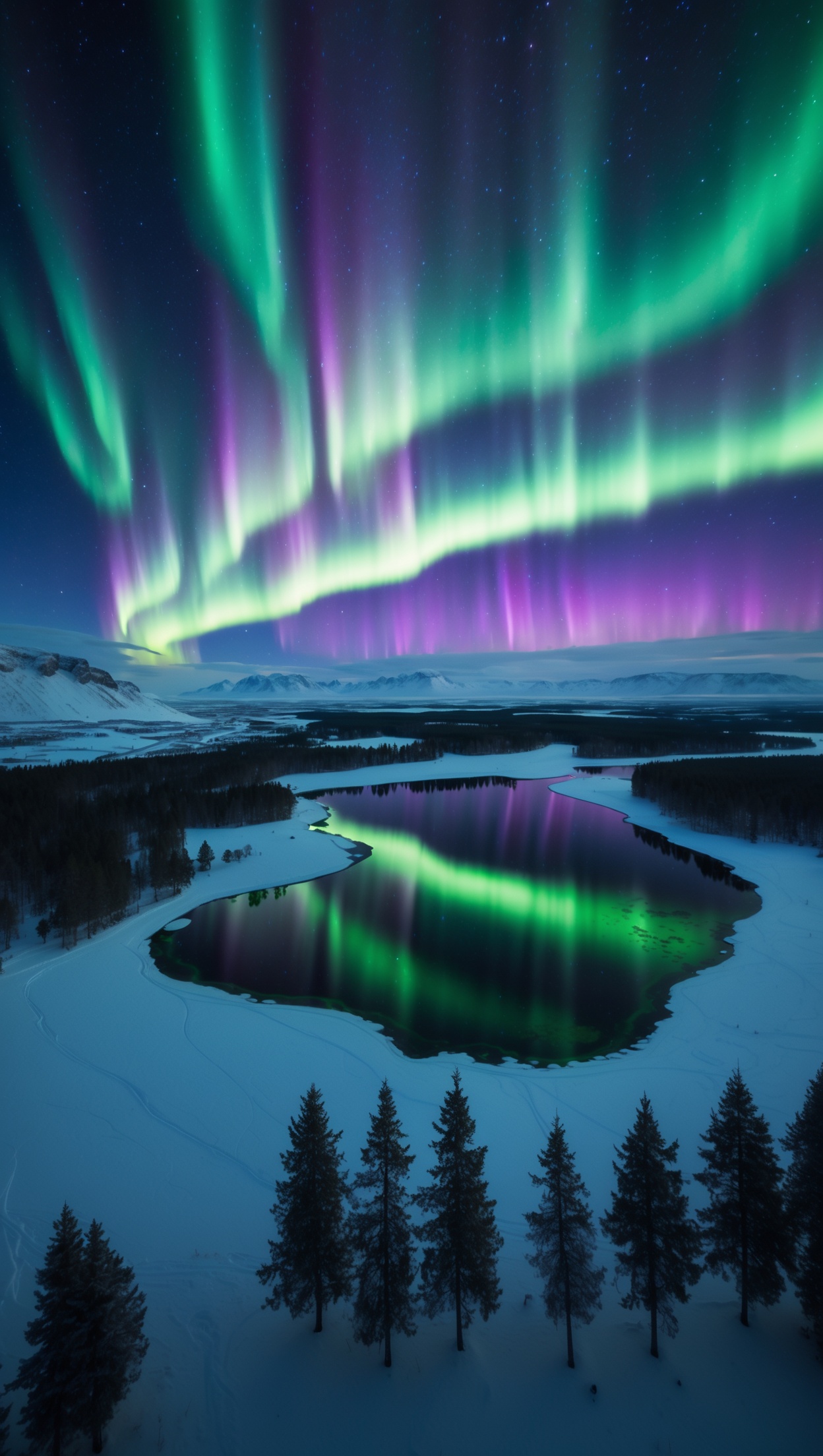
Few natural phenomena stop people in their tracks the way the aurora borealis does. A curtain of green, violet and white light rippling silently across a pitch-black Arctic sky is the kind of sight that stays with you for life. The good news: Europe puts you closer to that experience than almost any other continent. Several destinations sit right inside or just below the auroral zone, and many of them are straightforward to reach. This guide covers exactly where to go, when to go and what to expect once you get there.
If you want to pair your aurora chase with a deeper understanding of local Sámi culture, Arctic ecology or the science behind the lights, booking a private expert guide can make a real difference. You can find verified local guides through GoWithGuide — browse profiles, read reviews and message your guide directly before you commit to anything.
Understanding the Aurora: What You Actually Need
The northern lights are caused by charged particles from the sun colliding with gases in Earth's atmosphere. To see them with the naked eye you need three things to line up at the same time:
- Darkness — no midnight sun, so roughly late August through early April
- Clear skies — cloud cover is your biggest enemy
- Solar activity — measured by the Kp index; a Kp of 3 or above is usually enough at high latitudes
Apps like SpaceWeatherLive and My Aurora Forecast give you real-time Kp readings and cloud-cover alerts, which is how most experienced aurora hunters plan their evenings hour by hour.
The Best Places in Europe to See the Northern Lights
Tromsø, Norway
Tromsø sits at 69° N, well inside the auroral oval, which makes it one of the most reliable aurora destinations on earth. The city has a strong tourism infrastructure — guided snowmobile safaris, dog-sledding excursions and dedicated aurora camp nights — so even first-timers can chase the lights comfortably. The surrounding fjords and mountains provide spectacular foregrounds for photography. Peak season runs from October to March, with January and February offering the longest nights.
Svalbard, Norway
For a truly remote experience, the Svalbard archipelago at 78° N delivers. Because Svalbard has polar night from late October to mid-February — meaning 24-hour darkness — it is one of the few places where you can theoretically see the aurora at any time of day during that window. It is also one of the most expensive and logistically demanding destinations on this list, but for serious aurora chasers it is hard to beat.
Abisko, Sweden
Abisko sits in a sheltered mountain valley in Swedish Lapland. Because of its microclimate, it has statistically more clear nights than almost anywhere else on the aurora trail — a major advantage when cloud cover is your worst enemy. The Aurora Sky Station, reached by chairlift above the treeline, is one of the most celebrated aurora-viewing platforms in the world. Best months: November through March.
Rovaniemi & Finnish Lapland, Finland
Finnish Lapland offers a different flavour: reindeer farms, glass-roofed igloo hotels and a well-developed eco-tourism scene. Rovaniemi is the regional capital and easiest entry point, with direct flights from several European cities. Further north, destinations like Saariselkä and Inari offer darker skies and fewer crowds. Aurora season here runs from late August to April, and Finnish Lapland averages around 200 aurora nights per year.
Iceland
Iceland is uniquely positioned: it lies just below the auroral oval but benefits from frequent coronal mass ejections that push the aurora south. The island's dramatic volcanic landscapes — black lava fields, geysers, glacier lagoons — make for some of the most striking aurora photography on the planet. Reykjavik itself has too much light pollution for reliable viewing, but a short drive to the Snæfellsnes Peninsula or Þórsmörk puts you under genuinely dark skies. Season: September to March.
Northern Scotland: Orkney and Shetland
Often overlooked, the Scottish islands sit far enough north (59–61° N) to catch the aurora during strong solar events. They are also among the most accessible aurora destinations from central Europe — a short flight from London or Edinburgh gets you there in under two hours. Expect to see displays during Kp 4 or higher. Best odds: October to February, away from town light pollution.
When to Go: Month-by-Month Aurora Calendar
- August–September: First dark nights return; aurora possible in Iceland and high-latitude Norway. Shoulder-season prices, fewer crowds.
- October–November: Reliable darkness across all destinations; statistically high geomagnetic activity around the equinoxes.
- December–January: Maximum darkness and long nights; coldest temperatures; Christmas atmosphere in Lapland villages.
- February–March: Still dark enough; equinox boosts activity again; slightly warmer and better road conditions than midwinter.
- April: Twilight returns rapidly; aurora season is closing, though strong displays can still occur early in the month.
Practical Tips for Aurora Chasers
Dress for the Cold
Temperatures in Lapland and Svalbard can drop below −25 °C. Merino wool base layers, a mid-layer fleece and a windproof outer shell are non-negotiable. Hand warmers and insulated boots matter more than most people expect — you may be standing still outdoors for an hour or more.
Get Away from Light Pollution
Even a 20-minute drive from a town centre can dramatically improve visibility. Use the Light Pollution Map (lightpollutionmap.info) to identify dark zones near your base.
Allow Multiple Nights
A single-night aurora trip is a gamble. Book at least three to four nights to improve your odds. Cloud cover is unpredictable, and sometimes you need to drive to a different valley or wait out a weather system.
Camera Settings for Aurora Photography
If you want to photograph the lights, use a wide-angle lens, a tripod and manual settings: ISO 800–3200, aperture f/2.8 or wider, shutter speed 5–15 seconds. A remote shutter release prevents camera shake.
How to Get There
Most aurora destinations are well connected by air. Tromsø, Rovaniemi, Reykjavik and Kiruna (closest airport to Abisko) all have direct or one-stop flights from major European hubs. Once on the ground, renting a car gives you the flexibility to chase clear skies — arguably the most important logistics decision of the whole trip.
Final Thoughts
The northern lights reward patience and a little planning. Pick the right destination for your travel style — a glass igloo in Finnish Lapland for romance, Svalbard for raw wilderness, Abisko for photography, Iceland for landscape variety — and give yourself enough nights to let the sky perform. When it does, nothing else compares.
If you want to make the most of your aurora trip with expert local knowledge, you can find and book a verified private guide via GoWithGuide — including fully customizable itineraries and the ability to message your guide directly before booking — to experience the northern lights with someone who knows the landscape and the sky.