Paris Travel Guide: Everything You Need to Know Before You Go
Paris. The very name conjures images of candlelit bistros, cobblestone alleyways, and a skyline pierced by one of the world's most iconic structures. Whether you're a first-time visitor or returning for the tenth time, the City of Light always has something new to offer. This complete Paris travel guide covers everything from must-see landmarks to insider tips that will help you experience the French capital like a true local.
When Is the Best Time to Visit Paris?
Paris is a year-round destination, but the best time to visit depends on what you're looking for.
- Spring (April–June): Mild temperatures, blooming gardens, and fewer crowds than summer. Ideal for sightseeing and café terraces.
- Summer (July–August): Peak tourist season with long days and outdoor festivals. Be prepared for crowds at major attractions.
- Autumn (September–November): Golden foliage, pleasant weather, and a more relaxed atmosphere. One of the best-kept secrets for Paris travel.
- Winter (December–February): Festive Christmas markets, fewer tourists, and a magical snowy atmosphere. Prices tend to be lower too.
Our recommendation? Visit in late September or early October for the perfect balance of good weather, manageable crowds, and autumnal beauty along the Seine.
Top Attractions in Paris You Can't Miss
The Eiffel Tower
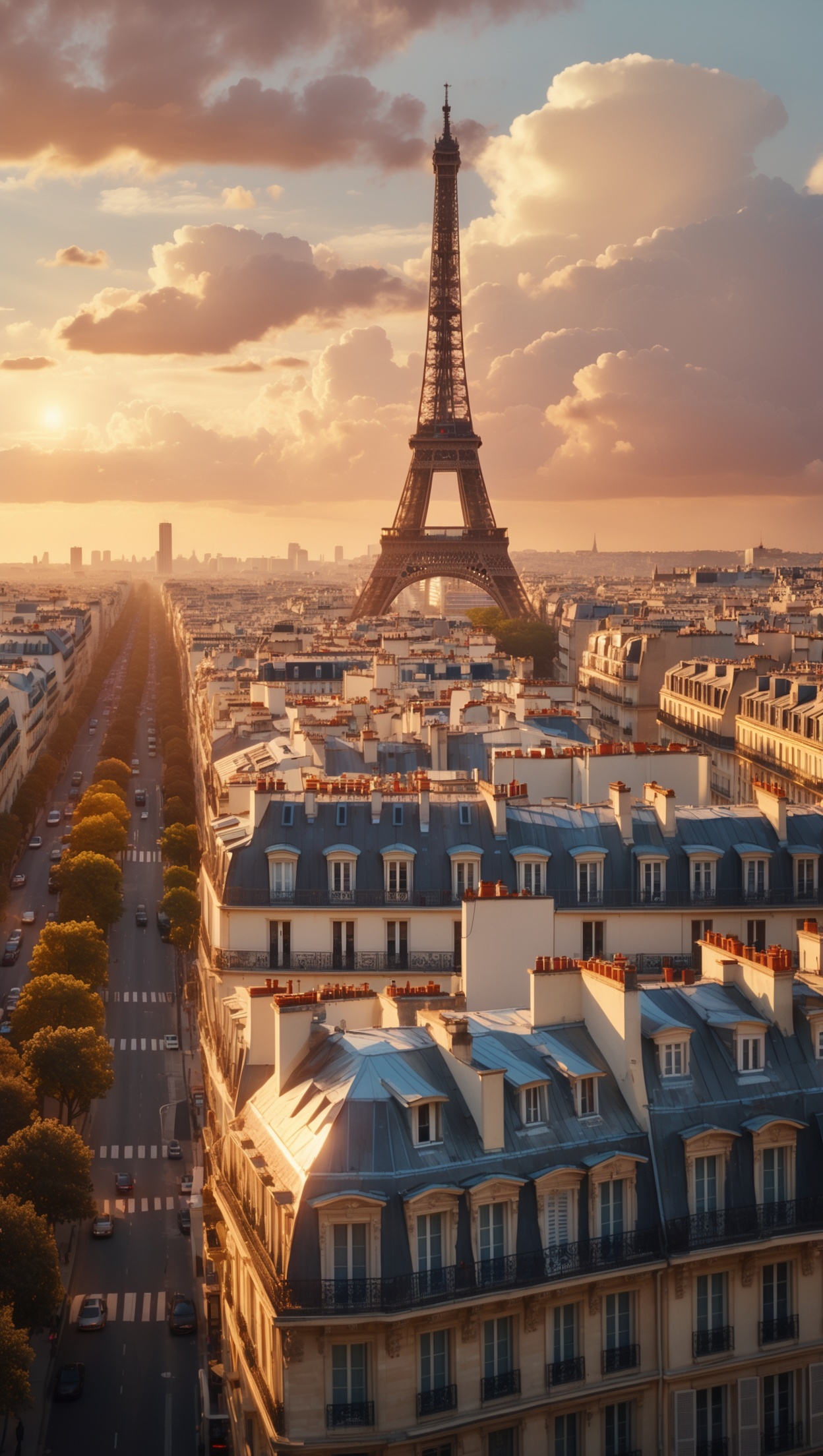
No Paris travel guide would be complete without mentioning the Eiffel Tower. Book your tickets online well in advance to skip the long queues. Visit at sunset for breathtaking views over the city, or return after dark to catch the famous light show that dazzles every hour.
The Louvre Museum
Home to over 35,000 works of art, the Louvre is the world's most visited museum. Don't try to see everything in one day — focus on highlights like the Mona Lisa, Venus de Milo, and the Winged Victory of Samothrace. Pre-booking timed entry tickets is essential.
Notre-Dame Cathedral
After years of restoration following the devastating 2019 fire, Notre-Dame Cathedral reopened its doors in December 2024. This Gothic masterpiece is once again one of Paris's most unmissable sights — and arguably more stunning than ever.
Montmartre & Sacré-Cœur
Wander the charming village-like streets of Montmartre, once home to Picasso and Monet. Climb to the top for panoramic views from the gleaming white domes of the Sacré-Cœur basilica. Visit on a weekday morning to enjoy it without the weekend crowds.
Musée d'Orsay
Housed in a stunning Beaux-Arts railway station, the Musée d'Orsay holds the world's finest collection of Impressionist and Post-Impressionist masterpieces, including works by Monet, Renoir, and Van Gogh.
Hidden Gems: Paris Beyond the Postcards
- Promenade Plantée: The world's first elevated park, built on a disused railway line — the inspiration for New York's High Line. Serene and beautifully green.
- Palais Royal Gardens: A peaceful courtyard escape filled with arcades, galleries, and Daniel Buren's iconic striped columns. Locals love it; tourists often walk right past.
- Canal Saint-Martin: A bohemian neighbourhood with iron footbridges, trendy cafés, and indie boutiques. Perfect for a lazy Sunday afternoon stroll.
- Sainte-Chapelle: Hidden within the Palais de la Cité complex, this Gothic chapel dazzles with 15 floor-to-ceiling stained glass windows — arguably more impressive than Notre-Dame.
- Les Catacombs: Descend beneath the city streets into an underground ossuary holding the remains of over six million Parisians. Eerie, fascinating, and utterly unforgettable.
Getting Around Paris
Paris has one of Europe's most efficient public transport networks. Here's how to navigate it like a pro:
- Metro: With 16 lines and over 300 stations, the Paris Métro gets you almost anywhere. Buy a carnet (book of 10 tickets) or load a Navigo Easy card for convenience.
- RER Trains: Faster than the metro for longer distances, including trips to Versailles and Charles de Gaulle Airport.
- Vélib' Bikes: Paris's bike-sharing scheme is affordable and fun. The city has an excellent network of cycle lanes.
- Walking: Many of Paris's best neighbourhoods — the Marais, Saint-Germain-des-Prés, Île de la Cité — are best explored entirely on foot.
What to Eat in Paris
Eating well in Paris is not a luxury — it's a way of life. Here are the essential culinary experiences:
- Croissants & Pain au Chocolat: Always from a proper boulangerie, never a supermarket. Go early for the freshest batch.
- French Onion Soup: A rich, slow-cooked classic best enjoyed at a traditional brasserie on a chilly day.
- Steak Frites: Simple, perfect, and quintessentially Parisian. Order your steak saignant (rare) as the French do.
- Cheese & Charcuterie: Pick up a selection from a local fromagerie and picnic by the Seine for an authentic Parisian moment.
- Crêpes: Head to Montparnasse, the traditional crêpe district, for sweet and savoury options freshly made on the spot.
Paris Travel Tips & Practical Advice
Budget Tips
- Many of Paris's best museums offer free entry on the first Sunday of the month.
- The Paris Museum Pass grants unlimited access to 50+ attractions and pays for itself quickly if you're a keen sightseer.
- Picnicking along the Seine or in the Luxembourg Gardens costs almost nothing and is one of the most Parisian things you can do.
Language & Etiquette
- Always greet with "Bonjour" before launching into English. Parisians respond much more warmly to travellers who make even a small effort.
- Tipping is not mandatory in France — a service charge is included — but rounding up the bill is always appreciated.
Safety
Paris is generally very safe for tourists, but stay alert for pickpockets around the Eiffel Tower, on the metro, and in busy tourist areas. Use a crossbody bag and keep valuables secure.
Where to Stay in Paris
Paris is divided into 20 arrondissements (districts), each with its own character:
- 1st & 2nd (Centre): Central, walkable, ideal for first-timers. Steps from the Louvre and the Seine.
- Le Marais (3rd & 4th): Trendy, historic, and vibrant. Excellent restaurants, galleries, and nightlife.
- Saint-Germain-des-Prés (6th): Classic Parisian elegance. Boutiques, literary cafés, and beautiful architecture.
- Montmartre (18th): Bohemian and charming, great for budget-friendly stays with a village feel.
Final Thoughts
Paris rewards those who slow down. Linger over a café crème, get lost in a neighbourhood you didn't plan to visit, and let the city reveal itself at its own pace. Whether you have three days or three weeks, the French capital will leave a mark on you that no other city quite can. Bon voyage!
Plan your trip with our trusted travel partners: touriDat for curated hotel & experience deals across Europe. Some links are affiliate links.