This article contains affiliate links. If you buy through them, we may earn a commission at no extra cost to you.
Strasbourg Christmas Market Travel Guide 2024
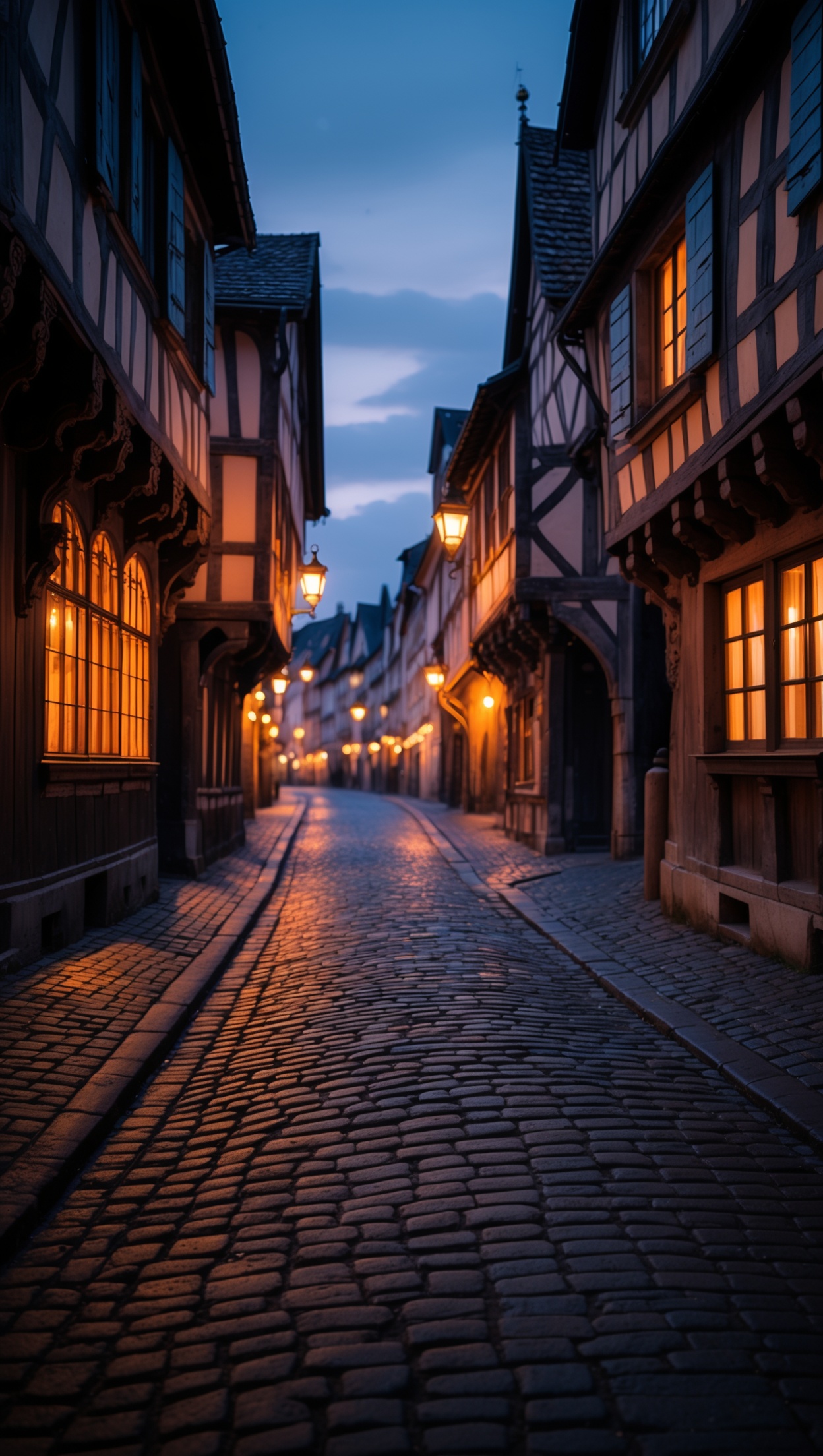
Every year from late November, Strasbourg transforms into what is widely called the Capital of Christmas. Dating back to 1570, the Strasbourg Christmas Market — locally known as the Christkindelsmärik — is the oldest in Europe and one of the most visited on the continent. With more than 300 wooden chalets spread across eleven distinct market squares, warm mulled wine in hand and half-timbered medieval facades glowing in golden light, this is a Christmas experience like no other.
Whether you are visiting for a weekend or building a longer Alsatian adventure, planning ahead makes a real difference. If you want to explore Strasbourg at your own pace with expert local insight, you can book a fully private, customisable tour via GoWithGuide — GoWithGuide lets you message a verified local guide directly before booking, so your itinerary fits exactly what you want to see.
When Does the Strasbourg Christmas Market Take Place?
The 2024 edition runs from 22 November to 26 December. Most markets open daily from around 11:00 to 21:00, with some stalls staying open until 22:00 on weekends. The market is busiest on weekends and in the final week before Christmas Eve, so arriving mid-week gives you more breathing room.
The Main Market Squares to Visit
Strasbourg spreads its market across several distinct locations, each with its own character:
- Place Broglie – The original and most historic site, home to the Grand Sapin, Strasbourg's enormous decorated Christmas tree.
- Place Kléber – The city's main square and the location of the iconic 30-metre Christmas tree, the heart of the celebrations.
- Place de la Cathédrale – Nestled in front of the spectacular Gothic Notre-Dame Cathedral, this square specialises in nativity scenes and handmade crafts.
- Petite France – The most photogenic quarter, with canal-side chalets and illuminated half-timbered houses reflecting in the water.
- Place du Château – Focuses on regional Alsatian arts and crafts, with local artisans selling directly from their workshops.
- Place des Meuniers – A smaller, quieter square ideal if you want to escape the main crowds.
What to Eat and Drink at the Market
Food is a central part of the Strasbourg Christmas experience. Do not leave without trying:
- Vin chaud – Alsatian mulled wine, spiced with cinnamon, star anise and orange peel. It comes in a collectible ceramic mug you can keep as a souvenir (deposit required).
- Bredele – Traditional Alsatian Christmas biscuits in dozens of shapes and flavours, often sold by the bag.
- Flammekueche (Tarte flambée) – A thin, crispy Alsatian flatbread topped with crème fraîche, onions and lardons. Arguably the best street food in the region.
- Mannele – Soft, brioche-style bread rolls shaped like little gingerbread men, popular with children and adults alike.
- Christstollen – German-influenced Christmas loaf filled with dried fruits and marzipan, found at several stalls near Place Broglie.
- Käsespätzle – Creamy Alsatian egg noodles with melted cheese, perfect when temperatures drop.
Getting to Strasbourg
By Train
Strasbourg is exceptionally well connected by rail. The TGV from Paris Gare de l'Est takes as little as 1 hour 45 minutes. From Frankfurt it is around 2 hours by ICE. From Brussels, expect around 3 hours. The train station, Gare de Strasbourg, sits right in the city centre and is a short tram ride from all major market squares.
By Car
Strasbourg is easily reachable by motorway from Germany, Switzerland and across France. Be aware that parking in the city centre is heavily restricted during the market period. Use the Park & Ride (P+R) facilities on the tram network outskirts — they are well signposted and affordable.
By Air
Strasbourg Airport (SXB) serves several European cities. Alternatively, Basel-Mulhouse-Freiburg (EuroAirport) and Frankfurt Airport are both within reach by train or transfer.
Getting Around the City
Strasbourg's compact old town (Grande Île) is largely pedestrianised and very walkable. The tram network is excellent and covers the wider city. A 24-hour or 48-hour transport pass is good value if you plan to use the tram more than twice a day. The Christmas Market period also introduces additional pedestrian zones to reduce congestion.
Where to Stay in Strasbourg
Accommodation books out fast during the market period, especially for weekends. Book at least two to three months in advance. The best areas to stay are:
- Grande Île / Old Town – Walk to every market square within minutes. Premium pricing, but unbeatable convenience.
- Petite France – Romantic canal-side setting; a slightly quieter option while still being central.
- Near the train station – Practical choice for day-trippers or those arriving late; plenty of mid-range hotels at competitive rates.
Practical Tips for Your Visit
- Arrive early or late – The markets are quietest before noon and after 20:00. Weekday mornings are the most peaceful.
- Dress warmly – December temperatures in Strasbourg typically range from 0 °C to 6 °C. Waterproof boots are a wise choice on cobbled streets.
- Carry cash – Many smaller stalls and artisan traders prefer cash. ATMs can get busy on weekends.
- Keep your belongings secure – Crowded markets attract pickpockets. Use a front-facing bag or an inner pocket.
- Take the night tram – The atmosphere after dark, when the lights are fully lit and the cathedral is illuminated, is magical. Save the evening for a slow walk through Petite France.
- Buy bredele early – Popular biscuit sellers often sell out by mid-afternoon on busy days.
Day Trips from Strasbourg
If you have more than a day or two, the Alsace Wine Route stretches south from Strasbourg through a string of charming medieval villages, each with its own smaller Christmas market. Colmar, Ribeauvillé and Kaysersberg are particularly beautiful and very manageable as day trips by car or regional train.
Is Strasbourg Christmas Market Worth It?
Unquestionably yes — but only if you plan well. The crowds can feel overwhelming on a Saturday in December without a clear strategy. Go mid-week, map your squares in advance, eat your way through the Alsatian stalls systematically, and linger in Petite France after dark. This is one of Europe's great seasonal experiences, and it rewards travellers who take the time to explore beyond the main squares.
If you want to make the most of your time in Strasbourg and explore the Christmas market like a local, you can book a fully private, customisable tour via GoWithGuide — including the ability to message your verified local guide directly before booking — to build an itinerary that fits your exact interests and schedule.