Venice Travel Guide: Navigating the Floating City
There is no city on earth quite like Venice. Built across 118 small islands, threaded together by over 400 bridges and carved apart by a labyrinth of canals, Venice is one of the most extraordinary destinations in the world. It defies logic, confounds GPS, and rewards every traveller who dares to put the map away and simply wander. This guide will help you navigate the floating city with confidence, curiosity, and a taste for the authentic.
When to Visit Venice
Timing your visit to Venice can make or break your experience. The city draws millions of visitors annually, so choosing the right season matters enormously.
- Spring (April–May): Mild weather, blooming gardens, and manageable crowds. One of the best times to visit.
- Summer (June–August): Hot, humid, and extremely busy. Expect long queues and higher prices, but vibrant atmosphere.
- Autumn (September–October): Golden light, cooler temperatures, and fewer tourists. Arguably the most beautiful season in Venice.
- Winter (November–March): Fog wraps the city in mystery. Acqua alta (flooding) can occur, but prices drop dramatically and crowds nearly vanish.
Pro tip: Avoid the city during Carnival in February if you prefer a quieter experience, or embrace it fully for the spectacle of a lifetime.
Getting Around: Venice Without a Car
Venice is entirely car-free, and navigating it is part of the adventure. Once you understand the system, getting around becomes second nature.
Vaporetto (Water Bus)
The vaporetto is Venice's public water bus network and your primary means of longer-distance transport. Line 1 runs the full length of the Grand Canal and is perfect for sightseeing. Purchase a multi-day pass if you plan to use it frequently — it offers excellent value.
Gondola
A gondola ride is iconic, but it comes at a price. Official rates start at around €80–€100 for a 30-minute ride. For a budget-friendly alternative, use a traghetto — a shared gondola that ferries passengers across the Grand Canal for just a couple of euros.
Walking
Honestly, the best way to discover Venice is entirely on foot. The city is compact enough to explore neighbourhood by neighbourhood. Lose yourself in the sestieri (districts) of Dorsoduro, Cannaregio, or Castello — far from the tourist crowds of San Marco.
Top Attractions in Venice
St. Mark's Basilica (Basilica di San Marco)
This Byzantine masterpiece is Venice's spiritual heart. The golden mosaics inside are breathtaking. Arrive early to beat the queues, or book timed entry tickets in advance online.
Doge's Palace (Palazzo Ducale)
Connected to the Basilica, the Doge's Palace is a Gothic marvel that served as the political and judicial centre of the Venetian Republic. The Bridge of Sighs, linking the palace to the old prison, is one of the most photographed spots in Venice.
The Grand Canal
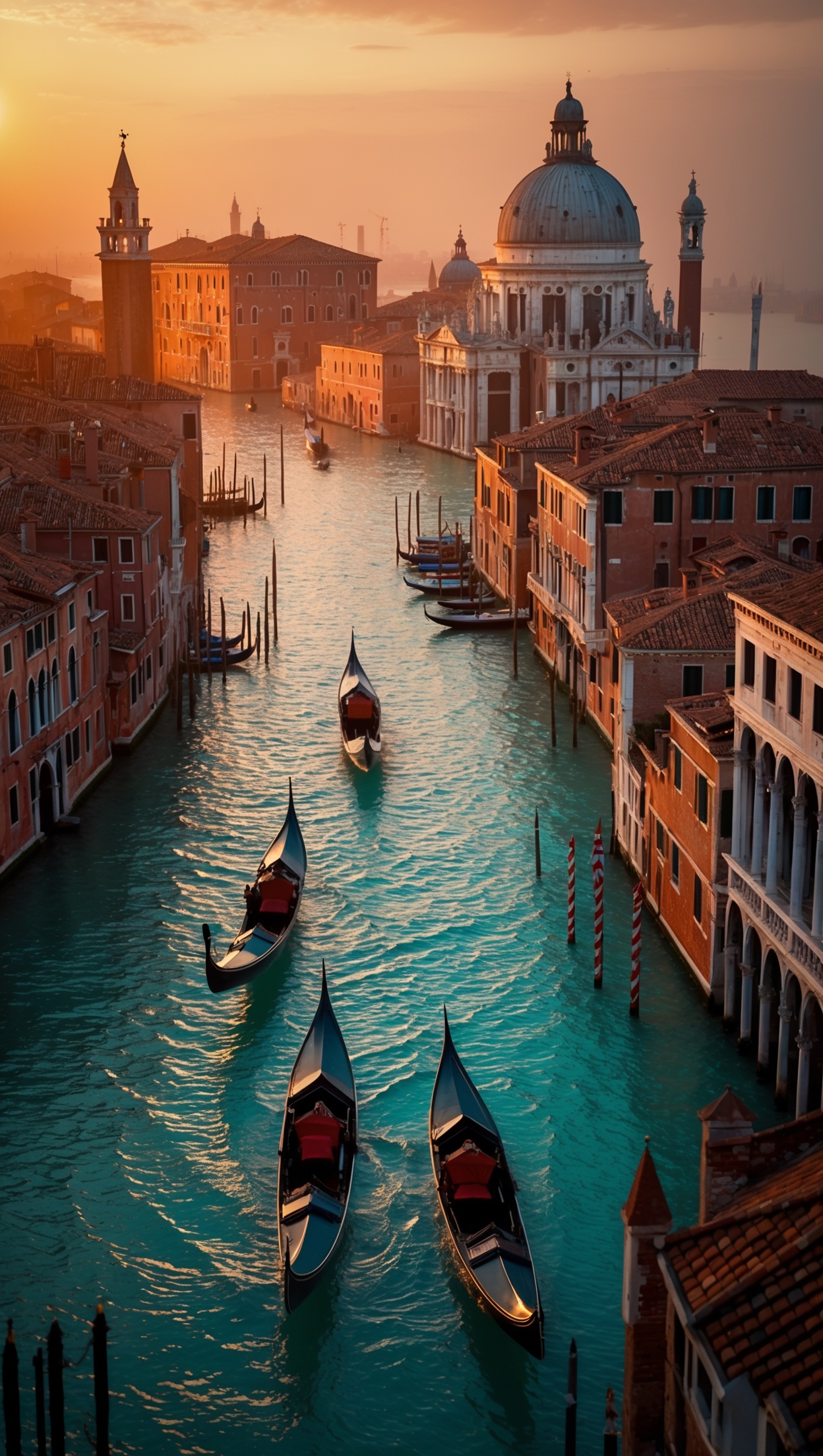
The Grand Canal is Venice's main artery — a sweeping S-shaped waterway flanked by over 170 palaces and churches. Hop on the vaporetto Line 1 at sunset for one of the most spectacular urban experiences in the world.
Rialto Bridge (Ponte di Rialto)
The oldest bridge across the Grand Canal, the Rialto is a bustling hub of markets, souvenir stalls, and gorgeous views. Head there in the early morning to catch the Rialto Market in full swing — a riot of fresh fish, vegetables, and local colour.
Peggy Guggenheim Collection
Housed in an unfinished 18th-century palace on the Grand Canal, this world-class modern art museum is a serene retreat from the crowds. A must for art lovers.
Hidden Gems: Venice Beyond the Crowds
- Burano: A short vaporetto ride away, this island of vividly painted fishermen's houses is one of Italy's most colourful and photogenic villages.
- Torcello: The oldest settled island in the lagoon, hauntingly quiet and home to the magnificent Basilica di Santa Maria Assunta.
- Fondamenta della Misericordia: A favourite local hangout in Cannaregio, lined with bars, bacari (wine bars), and cicchetti (Venetian tapas).
- San Giorgio Maggiore: Take the vaporetto to this island for the best panoramic views over Venice from its campanile bell tower.
Venetian Food & Drink
Venice has a food culture all its own. Skip the tourist trap restaurants around Piazza San Marco and head deeper into the city for the real thing.
- Cicchetti: Small Venetian snacks served in bacari wine bars. Think crostini topped with baccalà mantecato (creamed salt cod) or fresh seafood.
- Sarde in saor: Sweet and sour sardines — a classic Venetian dish with Arabic and Jewish culinary influences.
- Spritz al Aperol: Venice is the spiritual home of the Spritz. Enjoy one canal-side at golden hour.
- Prosecco: The nearby Veneto hills produce some of Italy's finest Prosecco. Order it by the glass at any bacaro.
Practical Tips for Visiting Venice
- Day tripper fee: Since 2024, Venice has introduced an entry fee for day visitors during peak periods. Check the official city website before your visit.
- Stay overnight: Staying in Venice after the day-trippers leave transforms the city. The quiet calli (streets) at night belong entirely to you.
- Pack light: There are hundreds of bridges with steps. Rolling suitcases become a nightmare very quickly.
- Download offline maps: Google Maps works reasonably well, but Venice's alleyways can confuse any navigation app. Download an offline map as a backup.
- Respect the city: Sitting on steps, eating near monuments, or swimming in canals is prohibited and fined heavily. Be a responsible visitor.
Where to Stay in Venice
Venice offers accommodation for every budget, from grand canal-front hotels to cosy B&Bs tucked in quiet squares. Staying within the historic island is strongly recommended for the authentic experience — though it costs more than staying on the mainland in Mestre.
Consider the quieter neighbourhoods of Dorsoduro or Cannaregio for a more local feel without the premium price tag of San Marco. Both districts are well-connected by vaporetto and brimming with local restaurants, artisan shops, and genuine Venetian life.
Final Thoughts
Venice is a city that demands to be experienced slowly. Resist the urge to tick off every landmark and instead allow yourself to simply drift — down a canal, across a bridge, into a shadowy courtyard. The floating city will reveal its most magical secrets only to those who are patient enough to wait for them.
Whether it's your first visit or your fifth, Venice never runs out of wonder. Start planning your journey today and let gohorizon.eu be your guide to the most extraordinary corners of Europe.
Plan your trip with our trusted travel partners: touriDat for curated hotel & experience deals across Europe. Some links are affiliate links.