Winter Sun in Europe: Warm Destinations Nov–Feb

Wintersonne in Europa: warme Ziele November bis Februar

Winter Sun in Europe: Warm Destinations Nov–Feb

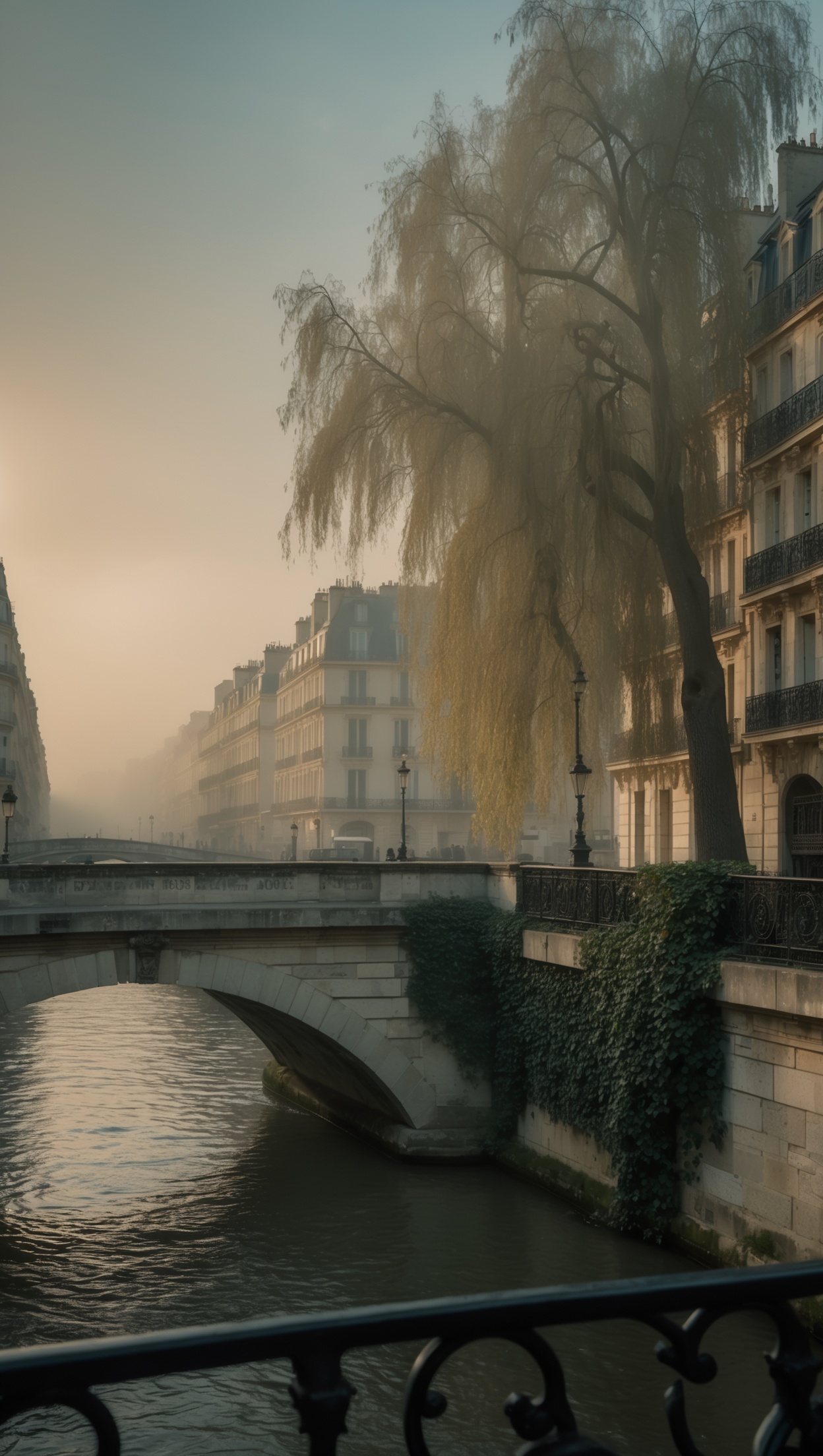
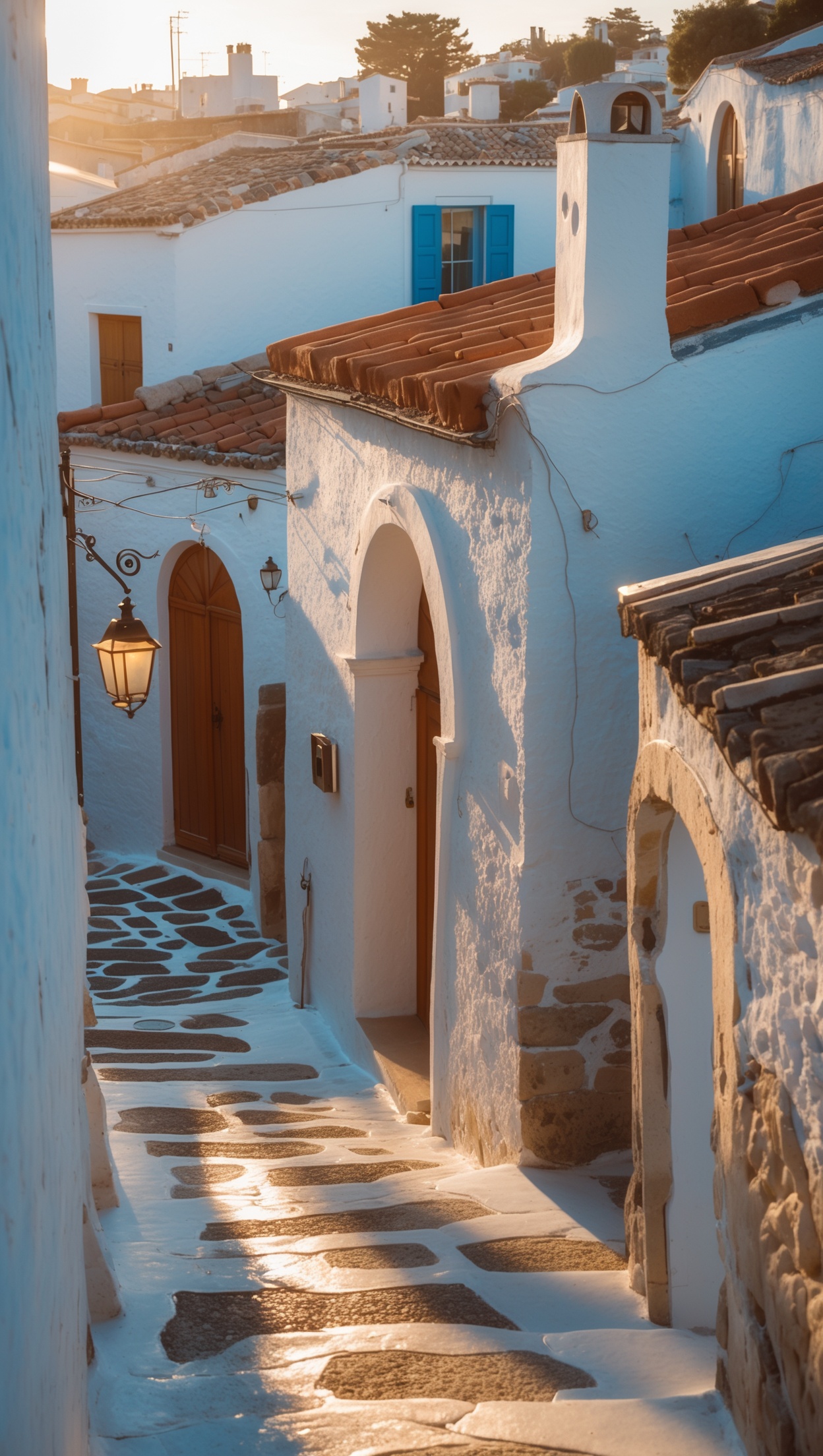
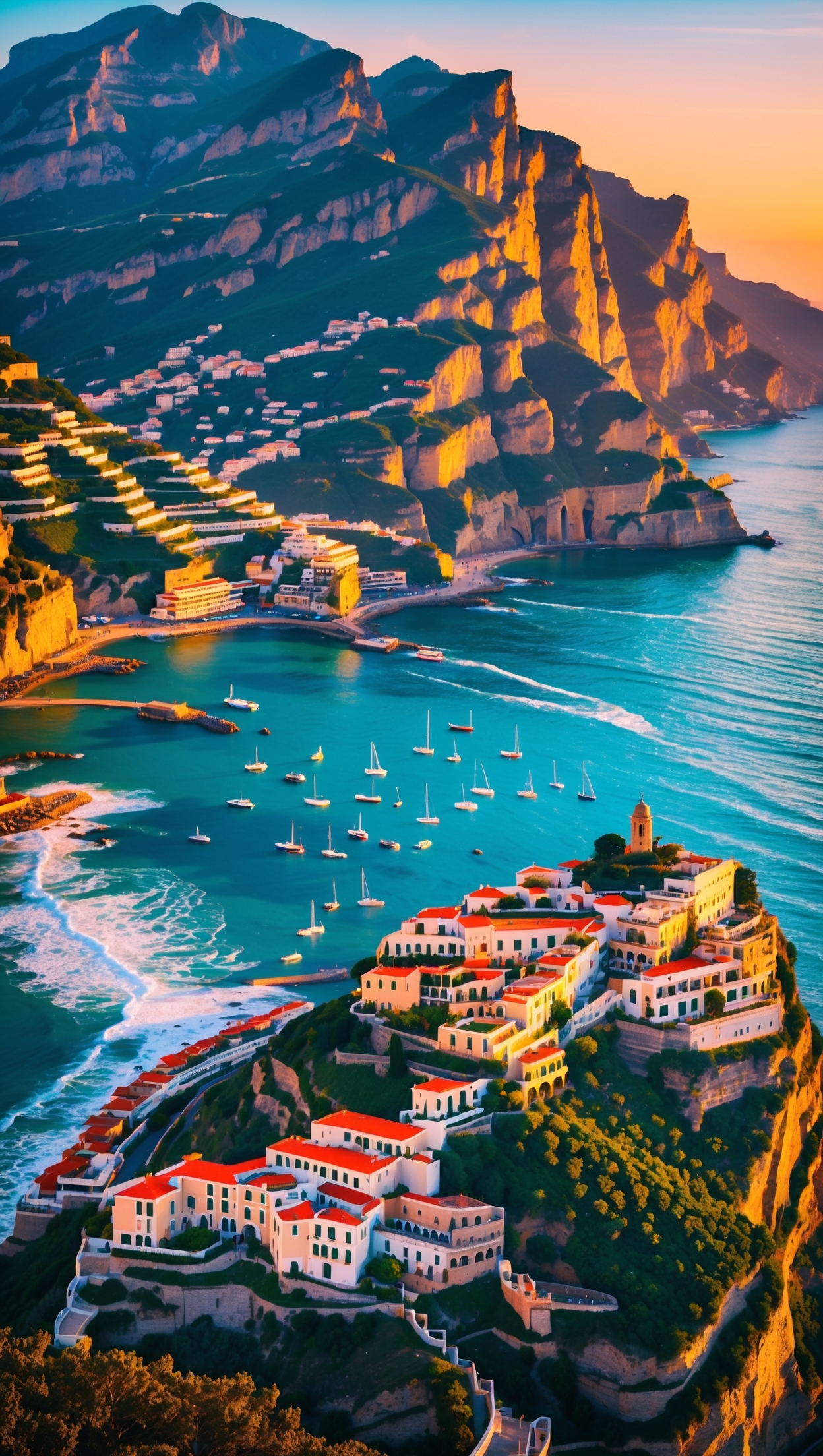
Image: AI-generated · Bild: KI-generiert

🇬🇧 English

This article contains affiliate links. If you buy through them, we may earn a commission at no extra cost to you.

Winter Sun in Europe: Warm Destinations from November to February

When grey skies and dropping temperatures take over much of the continent, Europe still holds a collection of genuinely warm, sun-drenched destinations that deliver beach weather, outdoor dining and light-filled days — all without a long-haul flight. Whether you are planning a solo escape, a couple's retreat or a family holiday, these destinations offer reliable warmth from November through to February.

If you want to explore any of these places with a knowledgeable local, you can book a private, fully customisable tour through GoWithGuide — where you can message a verified guide directly before committing to a booking — to get the most out of every destination on your winter itinerary.

The Canary Islands, Spain

The undisputed kings of European winter sun, the Canary Islands sit off the coast of northwest Africa and enjoy average temperatures of 20–24 °C throughout the winter months. Tenerife, Gran Canaria, Lanzarote and Fuerteventura each offer their own character.

  • Tenerife — the largest island, with the dramatic Teide volcano, black-sand beaches in the north and golden shores in the south. The resort strip of Costa Adeje stays busy all winter long.
  • Gran Canaria — famous for the sand dunes at Maspalomas and a lively Las Palmas city scene, ideal for travellers who want both beach and culture.
  • Lanzarote — a Unesco Biosphere Reserve with lunar volcanic landscapes, César Manrique architecture and some of the calmest Atlantic beaches.
  • Fuerteventura — the windiest island and a paradise for windsurfers and kitesurfers, with endless white beaches and turquoise lagoons.

Average January temperature: 21 °C. Rain days per month in winter: 3–5.

Madeira, Portugal

Often overlooked in favour of the Canaries, Madeira is a lush, volcanic island in the Atlantic with a mild and stable climate year-round. January and February are the coolest months, but temperatures still sit around 17–19 °C on the coast, and the island's mountainous interior stays green and spectacular.

Funchal, the capital, is one of Europe's most charming winter cities: cobbled streets lined with azulejo tiles, a bustling market full of tropical fruit, and some of the finest poncha (the local sugarcane spirit) you will ever taste. The famous New Year fireworks make Madeira one of the most popular winter-break destinations in all of Europe.

What to do in Madeira in winter

  • Walk the levadas — the island's ancient irrigation channels turned into hiking trails through misty laurel forests
  • Visit the Cabo Girão skywalk, one of Europe's highest sea cliffs
  • Take the toboggan ride from Monte down to Funchal
  • Explore the botanical gardens in winter bloom

The Algarve, Portugal

Portugal's southern coast is famous for summer crowds, but the Algarve in winter is a completely different and deeply rewarding experience. The golden cliffs, sea stacks and cave beaches are just as photogenic, and the region's 300 days of annual sunshine means even November and December deliver many clear, pleasant days.

Temperatures hover around 15–18 °C from November to February — warm enough for long walks along the coastal trails, rounds of golf (the Algarve is one of Europe's top golf destinations), and leisurely lunches of grilled fish in near-empty restaurants. Faro, Lagos and Sagres each make excellent bases.

Cyprus

Cyprus is the warmest island in the Mediterranean and one of the most reliable winter sun destinations in Europe. Paphos and Limassol on the southern coast regularly record 17–20 °C in January, with up to six hours of sunshine per day even in the coldest months.

The island's long and layered history — Greek, Roman, Byzantine, Crusader, Ottoman and British — makes it endlessly interesting for culture lovers. The Tombs of the Kings in Paphos, the Kourion amphitheatre and the painted churches of the Troodos Mountains are all unmissable.

Cyprus winter highlights

  • Paphos — Unesco World Heritage site with Roman mosaics, sea cliffs and a buzzing harbour
  • Limassol — the island's most cosmopolitan city, with a wine route, medieval castle and excellent restaurants
  • Troodos Mountains — sometimes dusted with snow in January, creating a remarkable contrast of ski slopes and palm-lined coastline on the same island

The Maltese Islands

Malta, Gozo and Comino sit at the very centre of the Mediterranean and offer some of the mildest winters of any European destination. January averages around 15 °C, but the sun often shines for five or more hours a day, and the lack of crowds makes this a wonderful time to explore the islands' extraordinary Baroque architecture and prehistoric temples.

Valletta, one of Europe's smallest and most densely historic capital cities, rewards slow exploration in winter: the Grand Harbour views, St John's Co-Cathedral, the Upper Barrakka Gardens and the Three Cities across the water are all free or low-cost to visit.

Andalusia, Spain

If you prefer a city break with winter sun, Andalusia is the answer. Seville, Málaga and Granada enjoy some of the warmest winter temperatures on mainland Europe — Málaga averages 17 °C in January and regularly sees sunny days that make outdoor tapas lunches feel perfectly natural.

Winter is arguably the best time to visit Andalusia: the Alhambra in Granada, the Mezquita in Córdoba and Seville's Alcázar are all far less crowded, and the light has a soft, golden quality that makes the architecture look even more magnificent.

Practical Tips for European Winter Sun Travel

  • Pack layers: Evenings can be cool even in warm destinations — a light jacket is always useful.
  • Book early for peak dates: Christmas, New Year and school half-terms push prices up sharply in the Canaries, Madeira and Cyprus.
  • Consider shoulder weeks: Late November and early February often offer the best combination of warmth, low prices and thin crowds.
  • Check direct flights: Most of these destinations are well served from major European airports, with flight times of two to four hours from the UK, Germany and the Netherlands.

Which Destination Is Right for You?

If you want guaranteed warmth and resort infrastructure, the Canary Islands are your safest bet. For a more dramatic landscape with hiking, Madeira delivers. Culture lovers will find Cyprus and Malta endlessly rewarding. And for city-break sunshine with world-class food and architecture, Andalusia is hard to beat.

Whatever you choose, winter sun in Europe is closer, easier and more varied than many travellers realise — and these destinations prove that you do not need to fly to Southeast Asia to find warmth in January.

If you want to explore one of these destinations with an expert at your side, you can book a private, fully customisable tour via GoWithGuide — including the option to message your verified local guide directly before booking — to make the most of every warm winter day.
🇩🇪 Deutsch

Dieser Artikel enthält Affiliate-Links (Werbung). Kaufst du darüber, erhalten wir ggf. eine Provision – für dich ohne Mehrkosten.

Wintersonne in Europa: warme Ziele von November bis Februar

Wenn graue Wolken und sinkende Temperaturen weite Teile des Kontinents bedecken, bietet Europa noch immer eine Handvoll echter Sonnenziele — mit Strandwetter, Terrassen-Dinner und lichterfüllten Tagen, alles ohne Langstreckenflug. Ob Solotrip, Paarsurlaub oder Familienreise: Diese Destinationen bieten verlässliche Wärme von November bis Februar.

Für einen Kurzurlaub in eines dieser traumhaften Winterziele lohnt sich ein Blick auf touriDat — mit flexiblen Hotel- und Reisegutscheinen für Wellness-, Städte- und Aktivreisen an europäischen Traumzielen, die sich je nach Wunsch einlösen lassen.

Die Kanarischen Inseln, Spanien

Die Kanarischen Inseln sind unbestrittene Königinnen des europäischen Winterurlaubs. Sie liegen vor der Küste Nordwestafrikas und genießen das ganze Jahr über Temperaturen von 20 bis 24 °C. Teneriffa, Gran Canaria, Lanzarote und Fuerteventura haben jeweils ihren ganz eigenen Charakter.

  • Teneriffa — die größte Insel mit dem majestätischen Teide-Vulkan, schwarzen Sandstränden im Norden und goldenen Stränden im Süden. Costa Adeje ist das ganze Jahr über belebt.
  • Gran Canaria — berühmt für die Sanddünen von Maspalomas und das lebendige Stadtleben in Las Palmas — ideal für alle, die Strand und Kultur kombinieren möchten.
  • Lanzarote — ein Unesco-Biosphärenreservat mit mondartiger Vulkanlandschaft, César-Manrique-Architektur und ruhigen Atlantikstränden.
  • Fuerteventura — das windigste der Inseln, ein Paradies für Windsurfer und Kitesurfer, mit endlosen weißen Stränden und türkisblauen Lagunen.

Durchschnittliche Januartemperatur: 21 °C. Regentage pro Monat im Winter: 3–5.

Madeira, Portugal

Madeira wird oft zugunsten der Kanaren übersehen, ist aber eine der schönsten Inseln im Atlantik. Das Klima ist das ganze Jahr über mild und stabil. Januar und Februar sind die kühlsten Monate, doch an der Küste liegen die Temperaturen immer noch bei 17–19 °C. Das bergige Innere der Insel bleibt grün und spektakulär.

Funchal, die Hauptstadt, ist eine der charmantesten Winterstädte Europas: gepflasterte Gassen mit Azulejo-Fliesen, ein lebhafter Markt voller Tropenfrüchte und der lokale Zuckerrohrschnaps Poncha. Das berühmte Silvester-Feuerwerk macht Madeira zu einem der beliebtesten Winterurlaubsziele in ganz Europa.

Was tun auf Madeira im Winter?

  • Wandern auf den Levadas — alten Bewässerungskanälen durch neblige Lorbeerwälder
  • Den Cabo-Girão-Skywalk besuchen, eine der höchsten Meereskllippen Europas
  • Mit dem Korbschlitten von Monte nach Funchal hinunterfahren
  • Den botanischen Garten in der Winterblüte erkunden

Die Algarve, Portugal

Portugals Südküste ist für ihre Sommerströme bekannt, doch die Algarve im Winter ist ein völlig anderes und zutiefst lohnendes Erlebnis. Die goldenen Klippen, Felstürme und Höhlenbuchten sind genauso fotogen — und die rund 300 Sonnentage im Jahr sorgen dafür, dass auch November und Dezember viele klare, angenehme Tage bescheren.

Die Temperaturen liegen von November bis Februar bei 15–18 °C — warm genug für ausgedehnte Wanderungen auf den Küstenwegen, eine Runde Golf (die Algarve ist eines der Top-Golfreiseziele Europas) und entspannte Mittagessen mit gegrilltem Fisch in fast leeren Restaurants. Faro, Lagos und Sagres sind allesamt ausgezeichnete Ausgangspunkte.

Zypern

Zypern ist die wärmste Insel im Mittelmeer und eines der verlässlichsten Wintersonnenziele Europas. Paphos und Limassol an der Südküste verzeichnen im Januar regelmäßig 17–20 °C und bis zu sechs Stunden Sonnenschein täglich — selbst in den kältesten Monaten.

Die lange und vielschichtige Geschichte der Insel — griechisch, römisch, byzantinisch, Kreuzfahrer, osmanisch und britisch — macht sie für Kulturliebhaber unendlich interessant. Die Königsgräber in Paphos, das Amphitheater von Kourion und die bemalten Kirchen des Troodos-Gebirges sind absolute Pflichtbesuche.

Highlights auf Zypern im Winter

  • Paphos — Unesco-Welterbe mit römischen Mosaiken, Meereskllippen und einem lebhaften Hafen
  • Limassol — die kosmopolitischste Stadt der Insel mit Weinroute, mittelalterlichem Schloss und erstklassigen Restaurants
  • Troodos-Gebirge — im Januar manchmal verschneit, was einen faszinierenden Kontrast aus Skipisten und palmengesäumter Küste auf einer einzigen Insel ergibt

Wer Zypern mit einem erfahrenen lokalen Experten erkunden möchte, kann über GoWithGuide eine vollständig individualisierbare Privattour buchen und den verifizierten Guide schon vor der Buchung direkt kontaktieren — für ein unvergessliches Insel-Erlebnis.

Die maltesischen Inseln

Malta, Gozo und Comino liegen im Herzen des Mittelmeers und bieten einige der mildesten Winter aller europäischen Reiseziele. Der Januar liegt bei durchschnittlich 15 °C, und die Sonne scheint häufig fünf oder mehr Stunden am Tag. Die fehlenden Touristenmassen machen diese Jahreszeit zum besten Zeitpunkt, um die außergewöhnliche Barockarchitektur und die prähistorischen Tempel der Inseln zu erkunden.

Valletta, eine der kleinsten und gleichzeitig historisch dichtesten Hauptstädte Europas, lädt im Winter zur entschleunigten Entdeckungstour ein: der Blick auf den Grand Harbour, die St.-Johannes-Ko-Kathedrale, die Upper Barrakka Gardens und die Three Cities.

Andalusien, Spanien

Wer einen Städtetrip mit Wintersonne sucht, wird in Andalusien fündig. Sevilla, Málaga und Granada genießen einige der wärmsten Wintertemperaturen auf dem europäischen Festland — Málaga verzeichnet im Januar durchschnittlich 17 °C und häufig sonnige Tage, an denen ein Tapas-Mittagessen im Freien völlig selbstverständlich wirkt.

Der Winter ist womöglich die beste Reisezeit für Andalusien: Die Alhambra in Granada, die Mezquita in Córdoba und der Alcázar in Sevilla sind deutlich weniger überfüllt, und das sanfte goldene Winterlicht lässt die Architektur noch majestätischer wirken.

Praktische Tipps für die Wintersonnen-Reise in Europa

  • Lagen einpacken: Die Abende können selbst an warmen Zielen kühl werden — eine leichte Jacke ist immer sinnvoll.
  • Frühzeitig buchen: Weihnachten, Silvester und Schulferien lassen die Preise auf den Kanaren, Madeira und Zypern spürbar steigen.
  • Nebensaisonwochen nutzen: Ende November und Anfang Februar bieten oft die beste Kombination aus Wärme, niedrigen Preisen und wenig Betrieb.
  • Direktflüge prüfen: Die meisten dieser Ziele sind von den großen europäischen Flughäfen mit Flugzeiten von zwei bis vier Stunden gut erreichbar.

Welches Ziel passt zu dir?

Wer garantierte Wärme und gut ausgebaute Resortinfrastruktur sucht, ist auf den Kanarischen Inseln am besten aufgehoben. Wer spektakuläre Landschaften und Wanderwege bevorzugt, findet auf Madeira sein Glück. Kulturliebhaber werden auf Zypern und in Malta nicht genug bekommen. Und wer Städtetrip-Sonne mit Weltklasse-Essen und -Architektur kombinieren möchte, kommt an Andalusien kaum vorbei.

Ganz gleich, für welches Ziel du dich entscheidest: Wintersonne in Europa ist näher, einfacher und abwechslungsreicher als viele Reisende vermuten — diese Ziele beweisen, dass man nicht nach Südostasien fliegen muss, um im Januar Wärme zu finden.

Wenn du einen Kurzurlaub an einem dieser traumhaften Winterziele planst, kannst du über touriDat passende Hotel- und Reisegutscheine finden — inklusive flexibler Auswahlangebote für Wellness-, Städte- und Aktivreisen — und deinen Winterurlaub in der Sonne ganz entspannt buchen.