This article contains affiliate links. If you buy through them, we may earn a commission at no extra cost to you.
Dubrovnik Hidden Gems: 10 Spots Worth Exploring
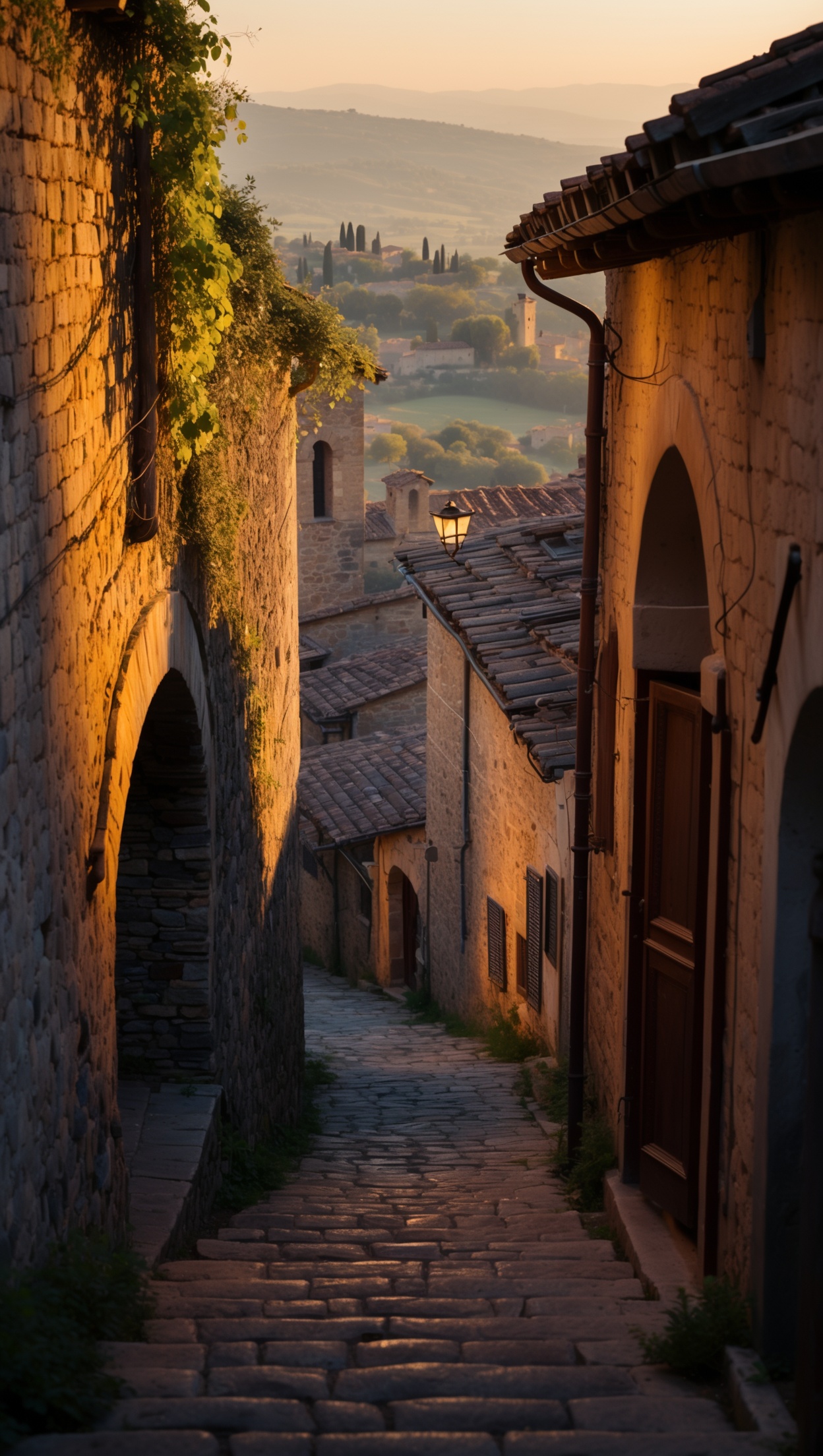
Dubrovnik is one of the most photographed cities on the Adriatic coast — and for good reason. But behind the famous city walls and the flood of summer tourists, there is a quieter, more authentic Dubrovnik waiting to be found. Whether you are visiting for the first time or returning for another look, these ten hidden gems will show you a side of the city that most visitors never see.
To make the most of these off-the-beaten-path discoveries, consider exploring with GoWithGuide — a platform offering 100% private, fully customizable tours where you can book a verified local guide and message them directly before booking. A knowledgeable local can take you straight to the spots that rarely appear on any map.
1. Buža Bar — The Cliffside Bar With No Address
Hidden behind a hole in the city wall, Buža Bar is Dubrovnik's worst-kept secret among those who find it. Follow the handwritten signs through the Old Town alleys, step through a literal gap in the ancient stone, and you arrive at a terrace perched directly above the Adriatic Sea. Come late afternoon for the best light and a cold Karlovačko beer as the sun dips toward the horizon.
2. Danče Beach — The Locals' Swimming Spot
While Banje Beach draws the crowds, Dubrovnik residents head to Danče, a small rocky cove just west of the Old Town near the Franciscan monastery of Danče. The water is crystal clear, the atmosphere is relaxed, and you are unlikely to hear a tour group in sight. Bring water shoes and arrive early to claim a flat rock.
3. The Ethnographic Museum Rupe — History Beneath Your Feet
Housed in a 16th-century granary, the Rupe Ethnographic Museum is one of Dubrovnik's most overlooked cultural sites. The word rupe means holes in Croatian — a reference to the fifteen deep rock cisterns carved into the floor to store grain. The museum above displays traditional Dalmatian costumes, tools and folk art, and it is rarely crowded even in peak season.
4. Lokrum Island — The Quiet Escape Across the Water
Lokrum Island sits just 600 metres offshore and is a nature reserve. Ferries run regularly from the Old Town harbour. Most day-trippers stick to the peacock-dotted gardens near the landing jetty, but follow the paths deeper into the island and you will find a saltwater lake called the Dead Sea, a ruined Benedictine monastery and rocky swimming spots with almost no one around.
5. Mount Srđ — The Viewpoint the Crowds Miss
The cable car to Mount Srđ is well known, but most visitors take the car up, photograph the wall panorama and head back down. Walk along the ridge instead and you reach the Napoleonic Fort Imperial, a largely unrestored fortress with sweeping views over the Elaphiti Islands. The path takes about twenty minutes and feels like a different world entirely.
6. Street of the Consulates — Diplomacy in Stone
Running parallel to the Stradun, Ulica od Puča — sometimes called the Street of the Consulates — was once home to the consulates of foreign powers trading with the Republic of Ragusa. Today it is a narrow, shaded lane of artisan workshops, small galleries and the occasional quiet café. Walk it slowly and look up at the carved stone doorframes and coats of arms.
7. The Dominican Monastery Cloister — Art Without the Queue
The Dominican Monastery at the eastern end of the Old Town contains one of the finest Gothic-Renaissance cloisters on the Adriatic coast and a treasury holding paintings by Nikola Božidarević, one of Dalmatia's most important Renaissance artists. Entry is inexpensive and the cloister garden is often beautifully quiet even when the Stradun outside is packed.
8. Koločep Island — The Smallest and Quietest Elaphiti
Of the three inhabited Elaphiti Islands reachable by ferry from Dubrovnik, Koločep is the closest and the least visited. With no cars permitted, the island is a network of pine-shaded paths, two small villages and a handful of sandy coves — a rarity on this stretch of coast. Plan for a full day and pack a picnic.
9. The Pharmacy of the Franciscan Monastery — Oldest in Europe
Most visitors who enter the Franciscan Monastery complex walk straight to the cloister. Very few notice that the pharmacy just inside the entrance has been operating continuously since 1317, making it one of the oldest pharmacies still functioning in Europe. Original ceramic jars, alchemical instruments and ancient remedy books are on display in the small museum attached to it.
10. Pile Neighbourhood — Local Life Just Outside the Gate
Step through the Pile Gate and turn right instead of left, and within two minutes you are in a quiet residential neighbourhood of stone houses, neighbourhood bars and a small market selling local produce. Pile is where Dubrovnik residents actually live, shop and have coffee. Sit at one of the neighbourhood konoba restaurants here and you will pay roughly half what you would inside the walls — and eat just as well.
Tips for Exploring Dubrovnik's Hidden Side
- Go early or late: The Old Town is quietest before 9 am and after 7 pm. Many of these spots are best experienced outside peak hours.
- Walk, do not rush: Dubrovnik's hidden corners reward slow exploration. Give yourself more time than you think you need.
- Use the ferry network: The islands are easily reachable and genuinely transform what Dubrovnik feels like as a destination.
- Hire a local guide: For deeper context — particularly around the city's remarkable history as an independent republic — a private guide makes an enormous difference. You can find and message verified local guides directly through GoWithGuide before committing to a booking.
Final Thoughts
Dubrovnik can feel overwhelming in summer, but the city has layers that most visitors never reach. Step off the Stradun, take the ferry, climb the ridge, sit in the cloister garden — and the real Dubrovnik reveals itself. These ten spots are a starting point, not a complete list. The best discoveries are still the ones you make for yourself.
If you want to explore Dubrovnik's hidden side with expert local knowledge, you can book a fully customizable private tour via GoWithGuide — including the ability to message your verified local guide directly before booking — to make the most of every corner this city has to offer.