When Italy Surprises You Beyond the Tourist Trail

Wenn Italien dich wirklich überrascht

When Italy Surprises You Beyond the Tourist Trail

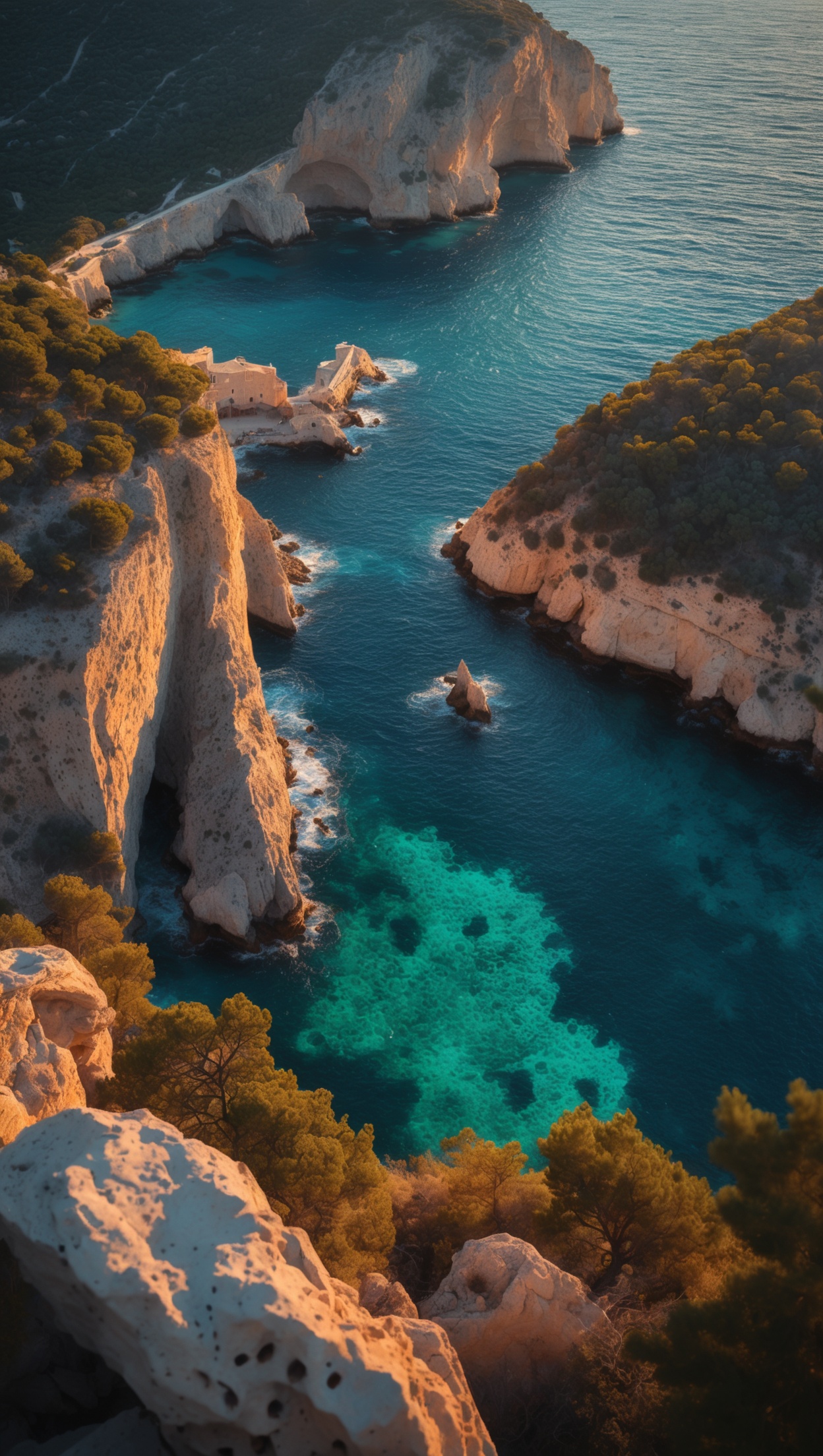
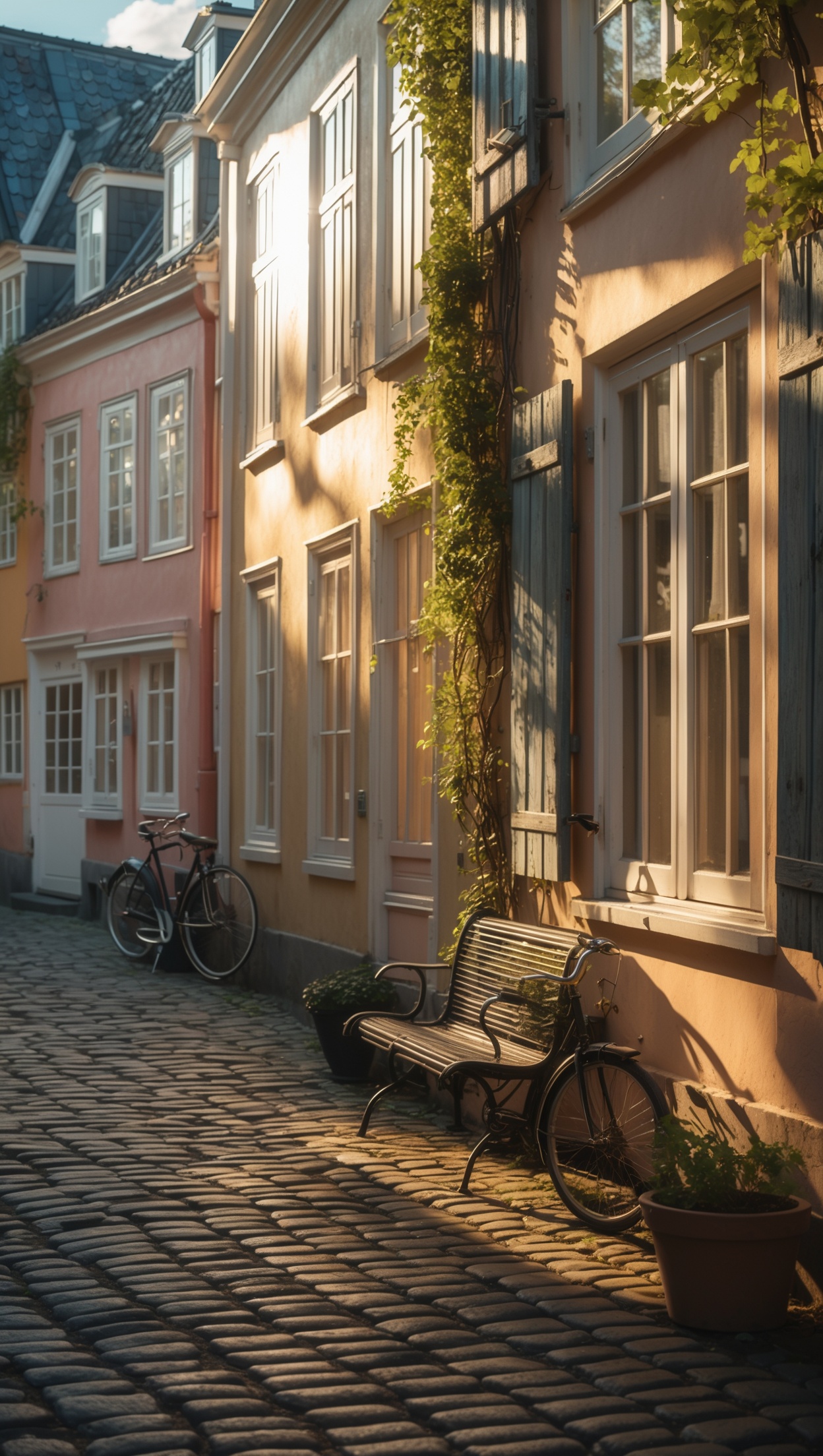
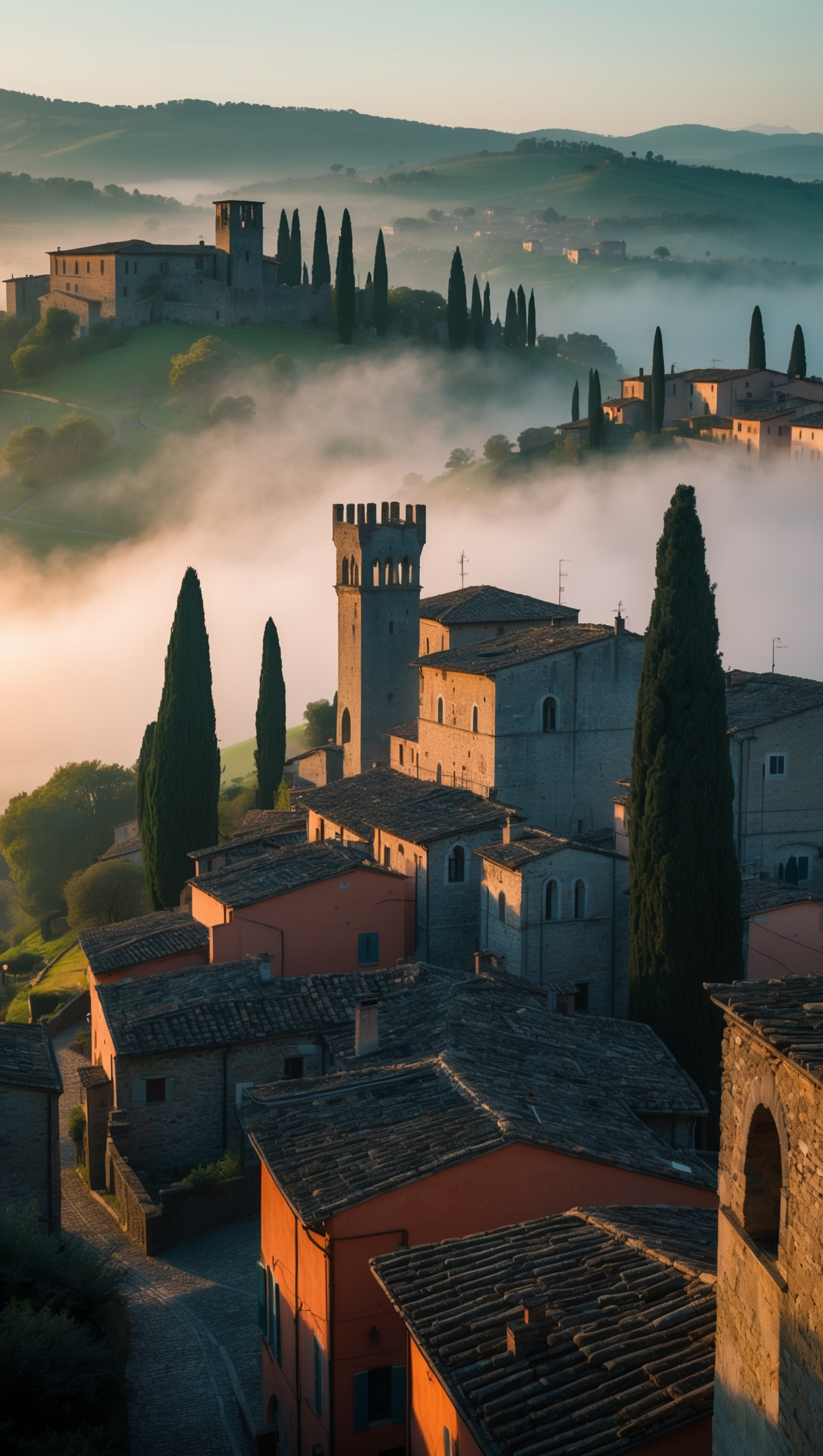
Image: AI-generated · Bild: KI-generiert

🇬🇧 English

This article contains affiliate links. If you buy through them, we may earn a commission at no extra cost to you.

20 Hidden Gems in Italy Only Locals Know About

Italy is one of the world's most visited countries — and for good reason. Rome, Florence, Venice and the Amalfi Coast draw millions of travellers every year. But beyond the postcard-perfect landmarks lies a quieter, richer Italy that most visitors never experience. These are the places locals treasure, the villages they return to, and the landscapes that still take the breath away without a single selfie stick in sight.

Whether you're planning a slow travel itinerary or simply want to escape the queues, these 20 hidden gems in Italy will completely change how you see this extraordinary country. Book your accommodation through touriDat for exclusive deals on stays near these incredible off-the-beaten-path destinations.

Northern Italy's Best-Kept Secrets

1. Varese — Lombardy's Forgotten Lake District

While Lake Como and Lake Garda steal the spotlight, Lake Varese sits quietly to the west, surrounded by forested hills and ancient pilgrimage routes. The town itself is elegant and unhurried, with a lovely pedestrian centre and the famous Sacro Monte di Varese — a UNESCO-listed sanctuary reached via a cobblestone path lined with baroque chapels. Locals hike here on Sunday mornings while the tourists are still in Milan.

2. Orta San Giulio — The Lake Nobody Talks About

Lake Orta is arguably the most romantic lake in northern Italy, yet it barely appears in mainstream travel guides. The medieval village of Orta San Giulio wraps around a tiny promontory with views of Isola San Giulio — a car-free island dominated by a Romanesque basilica. The silence here is something you'll remember long after you leave.

3. Bard — A Fortress Village in the Aosta Valley

Nestled into a narrow gorge in the shadow of a formidable 19th-century fortress, Bard is one of Italy's most dramatic and overlooked villages. The fort houses excellent contemporary art exhibitions, and the village below it is a perfectly preserved slice of alpine life. Napoleon famously passed through here — and he had to dismantle his cannon wheels to do it.

4. Castelvetro di Modena — Where Lambrusco Was Born

Wine lovers who make it to Modena rarely venture further into the surrounding hills. Castelvetro di Modena is the heartland of true Lambrusco — a far cry from the sweet supermarket version — and its medieval centre sits atop a ridge with sweeping vineyard views. Visit during the autumn harvest and you'll feel like you've stepped into a painting.

Central Italy's Hidden Villages

5. Civita di Bagnoregio — The Dying City

Accessible only by a narrow pedestrian bridge, Civita di Bagnoregio in Lazio floats above a dramatic valley of volcanic tufa cliffs. Fewer than a dozen people live here permanently, and the city has been slowly eroding for centuries. Its golden light at sunrise and sunset is unlike anything else in Italy. Plan your visit with a local expert through GoWithGuide to truly understand the history of this extraordinary place.

6. Spello — Umbria's Flower-Draped Gem

Assisi gets all the pilgrims, but just 12 kilometres away, Spello quietly glows with Roman walls, pink stone alleyways and flower-draped balconies. Every June, the Infiorata festival sees the entire town carpeted in elaborate floral mosaics. Outside of that weekend, you'll often have the streets entirely to yourself.

7. Pitigliano — Tuscany's Little Jerusalem

Rising dramatically from tufa cliffs above a deep gorge, Pitigliano in the Maremma region of Tuscany looks like something from a fantasy novel. It has an extraordinary Jewish heritage — it was once a refuge for Jews fleeing persecution — and its underground Etruscan tunnels can be explored on guided tours. Book a specialist local guide through GoWithGuide for the full underground experience.

8. Santo Stefano di Sessanio — The Mountain Village That Time Forgot

At 1,250 metres above sea level in the Gran Sasso e Monti della Laga National Park, Santo Stefano di Sessanio in Abruzzo is one of Italy's most haunting villages. Once nearly abandoned, it has been carefully restored and now offers extraordinary agritourism stays. The surrounding landscape in autumn — crimson forests, wild horses, open plateau — is simply spectacular.

9. Norcia — The Capital of Italian Cured Meats

Norcia in Umbria is known to food lovers as the home of Italy's finest pork products — so revered that butcher shops across Italy are called norcerie. Despite a devastating earthquake in 2016, the town is being painstakingly rebuilt. The surrounding Sibillini Mountains offer some of the best hiking in central Italy, and the lentils grown on the Piano Grande plateau are legendary.

Southern Italy's Secret Shores and Villages

10. Tropea — Calabria's Cliff-Top Jewel

While the Amalfi Coast charges luxury prices, Tropea in Calabria delivers equally jaw-dropping scenery at a fraction of the cost. Whitewashed buildings cling to dramatic sea cliffs above a turquoise sea, and the beaches below are some of the clearest in the Mediterranean. It's increasingly popular but still far less crowded than its northern counterparts. Find great deals on stays here via touriDat.

11. Matera — The Ancient Cave City (Before It Got Famous)

Yes, Matera in Basilicata is technically on the tourism radar now — but most travellers still don't make it here. The Sassi di Matera, ancient cave dwellings carved into a ravine, are among the oldest human settlements on earth. Stay in a cave hotel, wake up to bells echoing across the ravine, and understand why this was one of Europe's Capitals of Culture in 2019.

12. Alberobello's Quiet Outskirts

Everyone photographs the trulli in Alberobello's tourist zone — but walk ten minutes in any direction and you'll find working trulli used by real families, olive groves that stretch to the horizon, and masserie (farmhouses) offering some of the most atmospheric stays in Puglia. Use touriDat to find the most authentic masseria accommodation in the Valle d'Itria.

13. Otranto — The Edge of Italy

The easternmost town in Italy, Otranto in Puglia faces Albania across the Adriatic. Its perfectly preserved old town is encircled by 15th-century Aragonese walls, and its cathedral contains one of the largest and most extraordinary medieval floor mosaics in existence. The beaches north of town — the so-called Salento Riviera — are world-class.

14. Polignano a Mare — The Village Built Over the Sea

Famous among Italians for producing the singer Domenico Modugno (who wrote Volare), Polignano a Mare perches on limestone cliffs with caves and sea stacks carved by the Adriatic below. It has become somewhat fashionable in recent years but remains far more authentic than its internet fame might suggest.

Island Secrets

15. Pantelleria — Italy's Wind Island

Between Sicily and Tunisia, Pantelleria is volcanic, wild and unlike anywhere else in Italy. There are no sandy beaches — instead, black lava rock meets the clearest water you've ever seen. The island produces Zibibbo grapes for the legendary Passito wine, and its dammusi (traditional black stone houses) offer an extraordinary place to stay. Find dammusi rentals through touriDat for an unforgettable island escape.

16. Marettimo — The Forgotten Egadi Island

Of the three Egadi Islands off western Sicily, Favignana gets the visitors. Marettimo, the furthest west, remains almost entirely untouched. There are no cars, a handful of restaurants, crystal-clear grottos to kayak through, and hiking trails that lead to abandoned watchtowers above the sea. Come here to truly disconnect.

17. Isola di San Pietro — Sardinia's Carloforte Secret

Off the southwest coast of Sardinia, San Pietro Island is home to Carloforte — a village whose inhabitants still speak an 18th-century Ligurian dialect. The tuna fishing tradition here is ancient and celebrated, the cuisine is unique in all of Sardinia, and the sea is impossibly clear. Book a guided boat tour through GoWithGuide to explore the island's hidden coves.

Underrated Cities Worth a Weekend

18. Lecce — The Florence of the South

Lecce in Puglia is often called the Florence of the South — and the comparison is earned. Its old town is a baroque masterpiece carved entirely from golden local limestone, with churches and palaces so ornate they seem to drip with stone lace. Yet tourism here remains remarkably low-key compared to Tuscany. Explore its baroque trails with a local guide from GoWithGuide.

19. Bergamo Alta — The Medieval City Above Milan

Just 40 minutes from Milan by train, Bergamo Alta (the upper, walled city) feels like a different world. Its Venetian walls are UNESCO-listed, its central piazza is perfectly intact, and its funicular ride offers views across the Lombardy plain on clear days all the way to the Alps. Most visitors to Milan never make it here — which is exactly the point.

20. Trani — Puglia's Forgotten Cathedral City

Sitting on the Adriatic coast north of Bari, Trani is home to one of the most breathtaking cathedrals in southern Italy — a Romanesque masterpiece built directly on the sea's edge, so that at high tide the waves lap at its foundations. Its harbour is filled with traditional fishing boats, its old Jewish quarter is beautifully intact, and its fish restaurants serve some of the freshest seafood on the coast.

How to Explore Italy's Hidden Gems

  • Travel slow: Give yourself time in each place. The best moments come from lingering, not rushing.
  • Go local: Use GoWithGuide to connect with knowledgeable local guides who know things no guidebook ever will.
  • Book smart: Many of these destinations have limited accommodation — plan ahead and use touriDat to secure the best rates before they're gone.
  • Travel off-season: September, October, April and May offer near-perfect weather and dramatically fewer crowds at all of these spots.
  • Learn a little Italian: In these villages, a few words of Italian opens doors, earns smiles, and leads to invitations that no tour package can replicate.

Italy's magic has never really been in its famous landmarks. It lives in a back-road trattoria in the Maremma, in the sound of bells rolling across a Umbrian valley, in a glass of local wine poured by someone who's never heard of TripAdvisor. These 20 places are your invitation to find the real Italy — the one the locals have been quietly protecting all along.

Plan your trip with our trusted travel partners: touriDat for curated hotel & experience deals across Europe. Some links are affiliate links.
🇩🇪 Deutsch

Dieser Artikel enthält Affiliate-Links (Werbung). Kaufst du darüber, erhalten wir ggf. eine Provision – für dich ohne Mehrkosten.

20 versteckte Geheimtipps in Italien, die nur Einheimische kennen

Italien gehört zu den meistbesuchten Ländern der Welt — und das aus gutem Grund. Rom, Florenz, Venedig und die Amalfiküste ziehen jedes Jahr Millionen von Reisenden an. Doch jenseits der postkartenperfekten Sehenswürdigkeiten liegt ein ruhigeres, tieferes Italien, das die meisten Besucher nie erleben. Dies sind die Orte, die Einheimische schätzen, die Dörfer, zu denen sie immer wieder zurückkehren, und die Landschaften, die noch immer den Atem rauben — ohne ein einziges Selfie-Stäbchen in Sichtweite.

Ob du einen Slow-Travel-Urlaub planst oder einfach den Warteschlangen entfliehen möchtest — diese 20 versteckten Geheimtipps in Italien werden deine Sicht auf dieses außergewöhnliche Land völlig verändern. Buche deine Unterkunft über touriDat für exklusive Angebote in der Nähe dieser unglaublichen, abseits gelegenen Reiseziele.

Die bestgehüteten Geheimnisse Norditaliens

1. Varese — Das vergessene Seengebiet der Lombardei

Während der Comer See und der Gardasee im Mittelpunkt stehen, liegt der Lago di Varese still im Westen, umgeben von bewaldeten Hügeln und alten Pilgerwegen. Die Stadt selbst ist elegant und beschaulich, mit einem schönen Fußgängerzentrum und dem berühmten Sacro Monte di Varese — einem UNESCO-Heiligtum, das über einen Kopfsteinpflasterweg mit barocken Kapellen erreicht wird. Einheimische wandern hier an Sonntagmorgen, während die Touristen noch in Mailand sind.

2. Orta San Giulio — Der See, über den niemand spricht

Der Ortasee ist wohl der romantischste See Norditaliens, taucht aber kaum in gängigen Reiseführern auf. Das mittelalterliche Dorf Orta San Giulio schmiegt sich an eine kleine Halbinsel mit Blick auf die Isola San Giulio — eine autofreie Insel, die von einer romanischen Basilika dominiert wird. Die Stille hier ist etwas, an das du noch lange nach deiner Abreise denken wirst.

3. Bard — Ein Festungsdorf im Aostatal

In einer engen Schlucht im Schatten einer imposanten Festung aus dem 19. Jahrhundert gelegen, ist Bard eines der dramatischsten und am meisten übersehenen Dörfer Italiens. Die Festung beherbergt hervorragende Ausstellungen zeitgenössischer Kunst, und das Dorf darunter ist eine perfekt erhaltene Scheibe alpinen Lebens. Napoleon zog hier bekanntlich durch — und musste dafür sogar die Räder seiner Kanonen demontieren.

4. Castelvetro di Modena — Wo Lambrusco geboren wurde

Weinliebhaber, die es nach Modena schaffen, wagen sich selten in die umliegenden Hügel. Castelvetro di Modena ist das Herzstück des echten Lambrusco — weit entfernt von der süßen Supermarktversion — und sein mittelalterliches Zentrum thront auf einem Bergrücken mit weitem Blick über die Weinberge. Besuche den Ort während der Herbsternte und du wirst das Gefühl haben, in ein Gemälde eingetreten zu sein.

Versteckte Dörfer in Mittelitalien

5. Civita di Bagnoregio — Die sterbende Stadt

Nur über eine schmale Fußgängerbrücke erreichbar, schwebt Civita di Bagnoregio in Latium über einem dramatischen Tal aus vulkanischen Tuffklippen. Kaum ein Dutzend Menschen leben hier dauerhaft, und die Stadt erodiert seit Jahrhunderten langsam. Das goldene Licht bei Sonnenauf- und -untergang ist einzigartig in ganz Italien. Plane deinen Besuch mit einem lokalen Experten über GoWithGuide, um die Geschichte dieses außergewöhnlichen Ortes wirklich zu verstehen.

6. Spello — Umbriens blumengeschmücktes Kleinod

Assisi bekommt alle Pilger, aber nur 12 Kilometer entfernt leuchtet Spello still mit römischen Mauern, rosa Steingassen und blumengeschmückten Balkonen. Jeden Juni bedeckt das Infiorata-Festival die gesamte Stadt mit aufwendigen Blumenmosaiken. Außerhalb dieses Wochenendes hat man die Straßen oft ganz für sich allein.

7. Pitigliano — Das kleine Jerusalem der Toskana

Dramatisch aus Tuffklippen über einer tiefen Schlucht aufragend, sieht Pitigliano in der toskanischen Maremma wie etwas aus einem Fantasyroman aus. Es hat ein außergewöhnliches jüdisches Erbe — es war einst ein Zufluchtsort für Juden, die vor Verfolgung flohen — und seine unterirdischen etruskischen Tunnel können auf Führungen erkundet werden. Buche einen spezialisierten Ortsführer über GoWithGuide für das vollständige unterirdische Erlebnis.

8. Santo Stefano di Sessanio — Das Bergdorf, das die Zeit vergessen hat

Auf 1.250 Metern Höhe im Nationalpark Gran Sasso e Monti della Laga ist Santo Stefano di Sessanio in den Abruzzen eines der eindringlichsten Dörfer Italiens. Einst fast verlassen, wurde es sorgfältig restauriert und bietet heute außergewöhnliche Agrotourismus-Aufenthalte. Die umliegende Landschaft im Herbst — purpurrote Wälder, Wildpferde, offenes Hochplateau — ist schlicht spektakulär.

9. Norcia — Die Hauptstadt des italienischen Aufschnitts

Norcia in Umbrien ist Feinschmeckern als Heimat der besten Schweinefleischprodukte Italiens bekannt — so verehrt, dass Metzgereien überall in Italien Norcerie genannt werden. Trotz eines verheerenden Erdbebens im Jahr 2016 wird die Stadt sorgfältig wiederaufgebaut. Die umliegenden Sibillini-Berge bieten einige der besten Wanderungen in Mittelitalien, und die auf dem Piano Grande angebauten Linsen sind legendär.

Süditaliens geheime Küsten und Dörfer

10. Tropea — Kalabriens Kleinod auf den Klippen

Während die Amalfiküste Luxuspreise verlangt, bietet Tropea in Kalabrien ebenso beeindruckende Landschaften zu einem Bruchteil der Kosten. Weiß getünchte Gebäude klammern sich an dramatische Meeresklippen über einem türkisfarbenen Meer, und die Strände darunter gehören zu den klarsten im Mittelmeer. Es wird immer bekannter, ist aber immer noch weit weniger überfüllt als seine nördlichen Gegenstücke. Finde tolle Angebote für Unterkünfte hier über touriDat.

11. Matera — Die antike Höhlenstadt (bevor sie berühmt wurde)

Ja, Matera in der Basilikata ist technisch gesehen auf dem Tourismusradar — aber die meisten Reisenden schaffen es immer noch nicht hierher. Die Sassi di Matera, alte in eine Schlucht gehauene Höhlenwohnungen, gehören zu den ältesten menschlichen Siedlungen der Erde. Übernachte in einem Höhlenhotel, wache beim Klang von Glocken auf, die durch die Schlucht hallen, und verstehe, warum dies 2019 eine der europäischen Kulturhauptstädte war.

12. Die ruhige Umgebung von Alberobello

Jeder fotografiert die Trulli in Alberobelloس Tourismuszone — aber wer zehn Minuten in irgendeine Richtung läuft, findet echte Trulli, die von echten Familien genutzt werden, Olivenhaine, die sich bis zum Horizont erstrecken, und Masserie (Bauernhöfe), die einige der stimmungsvollsten Aufenthalte in Apulien bieten. Nutze touriDat, um die authentischsten Masseria-Unterkünfte im Valle d'Itria zu finden.

13. Otranto — Das Ende Italiens

Die östlichste Stadt Italiens, Otranto in Apulien, blickt über die Adria nach Albanien. Seine perfekt erhaltene Altstadt ist von aragonesischen Mauern aus dem 15. Jahrhundert umgeben, und seine Kathedrale enthält eines der größten und außergewöhnlichsten mittelalterlichen Bodenmosaike überhaupt. Die Strände nördlich der Stadt — die sogenannte Salento-Riviera — sind weltklasse.

14. Polignano a Mare — Das Dorf, das über dem Meer gebaut wurde

Berühmt bei Italienern als Geburtsort des Sängers Domenico Modugno (der Volare schrieb), thront Polignano a Mare auf Kalksteinklippen mit von der Adria ausgehöhlten Höhlen und Meerestürmen darunter. Es ist in den letzten Jahren etwas modisch geworden, bleibt aber weitaus authentischer, als sein Internetruhm vermuten lässt.

Insel-Geheimnisse

15. Pantelleria — Italiens Windelsinsel

Zwischen Sizilien und Tunesien ist Pantelleria vulkanisch, wild und ungleich jedem anderen Ort in Italien. Es gibt keine Sandstrände — stattdessen trifft schwarzes Lavagestein auf das klarste Wasser, das du je gesehen hast. Die Insel produziert Zibibbo-Trauben für den legendären Passito-Wein, und ihre Dammusi (traditionelle schwarze Steinhäuser) bieten einen außergewöhnlichen Aufenthaltsort. Finde Dammusi-Vermietungen über touriDat für einen unvergesslichen Inselurlaub.

16. Marettimo — Die vergessene Ägadische Insel

Von den drei Ägadischen Inseln vor dem westlichen Sizilien bekommt Favignana die Besucher. Marettimo, die westlichste, bleibt fast völlig unberührt. Es gibt keine Autos, eine Handvoll Restaurants, kristallklare Grotten zum Kajakfahren und Wanderwege, die zu verlassenen Wachttürmen über dem Meer führen. Komm hierher, um wirklich abzuschalten.

17. Isola di San Pietro — Sardiniens Carloforte-Geheimnis

Vor der Südwestküste Sardiniens liegt die Insel San Pietro mit Carloforte — einem Dorf, dessen Bewohner noch immer einen ligurischen Dialekt aus dem 18. Jahrhundert sprechen. Die Thunfischfangtradition hier ist uralt und wird gefeiert, die Küche ist einzigartig auf ganz Sardinien, und das Meer ist unglaublich klar. Buche eine geführte Bootstour über GoWithGuide, um die versteckten Buchten der Insel zu erkunden.

Unterschätzte Städte, die ein Wochenende wert sind

18. Lecce — Das Florenz des Südens

Lecce in Apulien wird oft das Florenz des Südens genannt — und der Vergleich ist verdient. Seine Altstadt ist ein barockes Meisterwerk, das vollständig aus goldenem lokalem Kalkstein gemeißelt wurde, mit Kirchen und Palästen, die so reich verziert sind, dass sie mit Steinspitze zu tropfen scheinen. Dennoch bleibt der Tourismus hier bemerkenswert entspannt im Vergleich zur Toskana. Erkunde seine barocken Routen mit einem Ortsführer von GoWithGuide.

19. Bergamo Alta — Die mittelalterliche Stadt über Mailand

Nur 40 Minuten mit dem Zug von Mailand entfernt fühlt sich Bergamo Alta (die obere, ummauerte Stadt) wie eine andere Welt an. Seine venezianischen Mauern stehen auf der UNESCO-Liste, sein zentraler Platz ist perfekt erhalten, und seine Bergbahnfahrt bietet an klaren Tagen Ausblicke über die lombardische Ebene bis zu den Alpen. Die meisten Mailand-Besucher kommen nie hierher — und genau das ist der Punkt.

20. Trani — Apuliens vergessene Kathedralenstadt

An der Adriaküste nördlich von Bari beheimatet Trani eine der beeindruckendsten Kathedralen Süditaliens — ein romanisches Meisterwerk, das direkt am Meeresrand erbaut wurde, sodass bei Flut die Wellen an seinen Fundamenten lecken. Sein Hafen ist mit traditionellen Fischerbooten gefüllt, sein altes jüdisches Viertel ist wunderschön erhalten, und seine Fischrestaurants servieren einige der frischesten Meeresfrüchte der Küste.

So erkundest du Italiens versteckte Schätze

  • Langsam reisen: Gib dir an jedem Ort Zeit. Die besten Momente entstehen durch Verweilen, nicht durch Hetzen.
  • Lokal denken: Nutze GoWithGuide, um dich mit sachkundigen Ortsführern zu verbinden, die Dinge wissen, die kein Reiseführer je

    Plane deine Reise mit unseren vertrauenswürdigen Partnern: touriDat für kuratierte Hotel- & Erlebnis-Deals in ganz Europa. Einige Links sind Affiliate-Links.