Complete Guide to Exploring the Turkish Coastline
Stretching over 8,000 kilometres along the Aegean and Mediterranean Seas, the Turkish coastline is one of the most diverse and spectacular in the entire world. From ancient Lycian ruins perched on clifftops to secluded turquoise coves accessible only by boat, Turkey's coast offers something extraordinary for every type of traveller. Whether you're a history enthusiast, a beach lover, a foodie or an adventure seeker, this complete guide will help you navigate the very best of what the Turkish Riviera and beyond has to offer.
Why the Turkish Coastline Deserves a Place on Your Bucket List
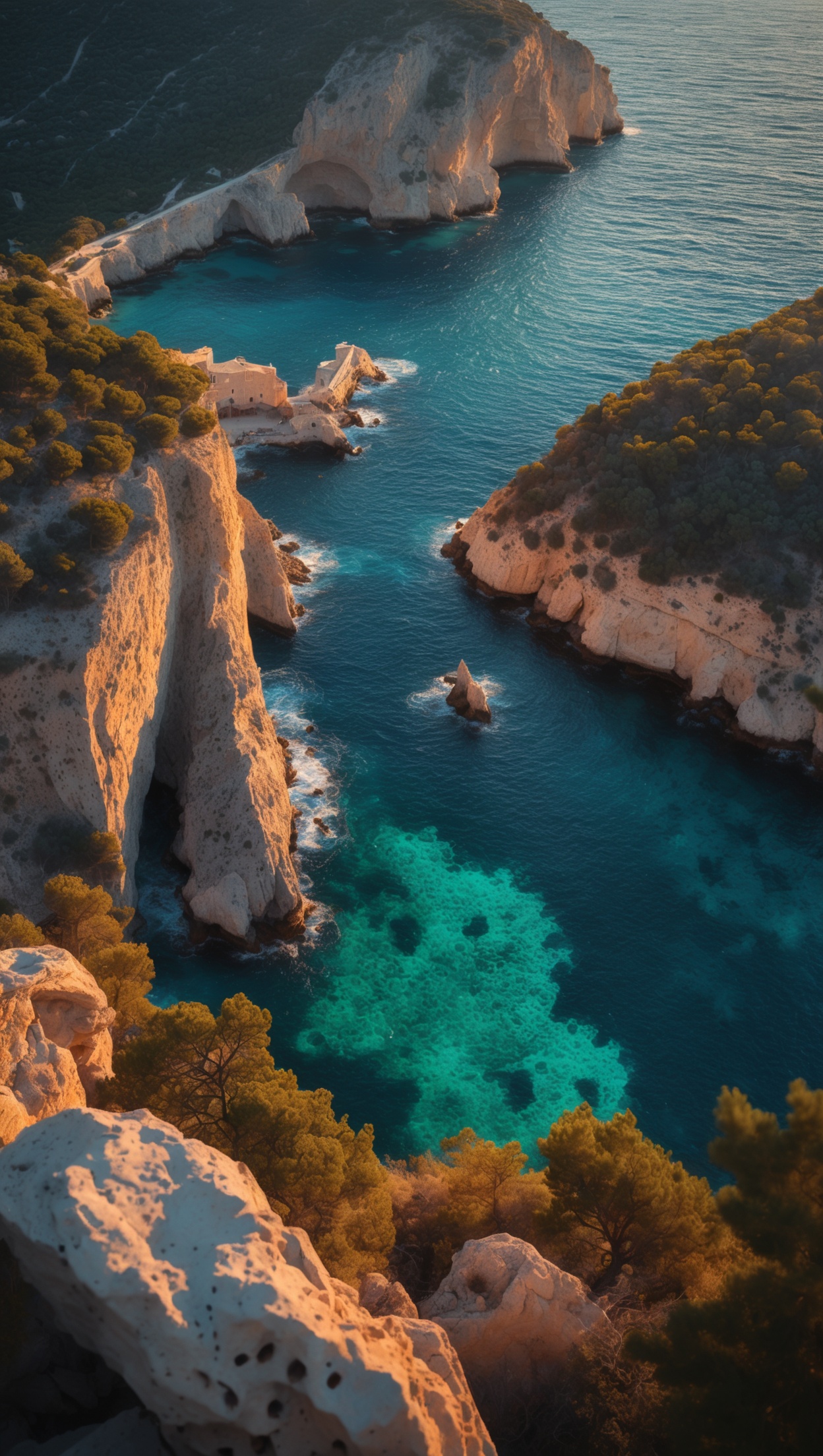
Turkey sits at the crossroads of Europe and Asia, and its coastline reflects this rich cultural and geographical diversity. The waters here are famously clear — often a striking shade of turquoise that gives the region its popular nickname, the Turquoise Coast or Türkiye'nin Mavi Yolculuğu (Turkey's Blue Journey). Ancient civilisations — from the Greeks and Romans to the Byzantines and Ottomans — have all left their mark along these shores, creating an unparalleled blend of natural beauty and historical depth.
The Best Regions to Explore Along Turkey's Coast
1. The Aegean Coast: Culture, Olives and Ancient Cities
The northern section of Turkey's western coast is dominated by the dramatic Aegean Sea. This region is home to some of the most important archaeological sites in the world.
- Bodrum: A glamorous harbour town built around an impressive 15th-century castle. The nightlife is legendary, but the old town, whitewashed houses and calm bays offer a quieter charm too.
- Ephesus (Efes): One of the best-preserved ancient cities in the Mediterranean. Walking down its marble streets is a genuinely breathtaking experience.
- Çeşme: Famous for its crystal-clear waters, wind conditions ideal for windsurfing, and excellent seafood restaurants.
- Alaçatı: A boutique destination of cobblestone streets, bougainvillea-draped stone houses and vibrant café culture — one of the most Instagrammable towns in Turkey.
2. The Lycian Coast: Dramatic Cliffs and Sunken Cities
Stretching from Fethiye to Antalya, the Lycian Coast is arguably the most scenic stretch of Turkey's entire coastline. Here, the Taurus Mountains plunge dramatically into the sea, creating a series of breathtaking bays and peninsulas.
- Ölüdeniz: Home to the iconic Blue Lagoon, one of the most photographed beaches in the world. It also serves as the world's top paragliding destination, with launches from the 1,960-metre Babadağ Mountain.
- Kaş: A charming small town beloved by divers due to its clear waters and the nearby sunken city of Kekova, partially submerged by an ancient earthquake.
- Göcek: A sailing paradise surrounded by twelve islands, perfect for exploring via traditional Turkish gulet (wooden yacht).
- Patara Beach: Turkey's longest beach at 18 kilometres, backed by ancient Lycian ruins and protected sea turtle nesting grounds.
3. Antalya and the Turkish Riviera
The city of Antalya serves as the gateway to the Turkish Riviera — a sun-drenched stretch of coastline famous for its five-star resorts, pebble beaches and turquoise waters. The old quarter of Kaleiçi is a maze of Roman walls, Ottoman-era architecture and charming boutique hotels.
- Side: Ancient Greek and Roman ruins stand dramatically beside a beach — a rare and stunning combination.
- Alanya: Dominated by a magnificent Seljuk castle rising from a rocky promontory, with beautiful beaches stretching on either side.
- Olympos: Famous for the eternal flames of the Chimaera — natural gas vents that have been burning for thousands of years — and excellent tree-house accommodation.
How to Get Around the Turkish Coastline
Getting around Turkey's coastline is easier than many travellers expect. Here are the most popular options:
- Blue Cruise (Mavi Yolculuk): Renting a traditional wooden gulet and sailing between coves is the most romantic and memorable way to explore the coast. Routes between Bodrum and Marmaris or Fethiye are classic favourites.
- Car Rental: Renting a car gives you maximum flexibility to discover hidden bays and inland villages at your own pace. Coastal roads — especially along the Lycian Way — are scenic beyond belief.
- Buses (Dolmuş and Otobus): Turkey's intercity bus network is modern, affordable and comprehensive. Dolmuş (shared minibuses) connect smaller coastal towns and villages.
- Ferries and Water Taxis: Many bays and islands are best reached by sea. Local ferries and water taxis run regularly during summer months.
The Best Time to Visit Turkey's Coastline
The Turkish coastline enjoys a classic Mediterranean climate — hot, dry summers and mild, wet winters. The ideal time to visit depends on your priorities:
- May to June: Warm temperatures, fewer crowds, wildflowers in bloom, excellent for hiking the Lycian Way.
- July to August: Peak season — hottest temperatures, busiest beaches, liveliest atmosphere. Book accommodation well in advance.
- September to October: The sweet spot. Water temperatures are still warm, crowds thin out, and prices drop. Arguably the best time to visit.
- November to April: Off-season. Most coastal resorts scale back operations, but inland cultural sites remain open and crowds are non-existent.
Essential Experiences Not to Miss
- Hike the Lycian Way: A 540-kilometre marked trail along the Aegean and Mediterranean coast, recognised as one of the world's great long-distance walks.
- Explore Pamukkale: Just inland from the coast, the stunning white calcium terraces and ancient Hierapolis ruins are a UNESCO World Heritage Site.
- Turkish Hammam (Bath): Treat yourself to a traditional steam bath experience in any coastal town — an essential cultural ritual.
- Sample Coastal Cuisine: Fresh meze, grilled sea bass, octopus salad, and gözleme (savoury stuffed flatbread) are just a few of the culinary highlights.
- Sunrise at Sunrise Point, Ölüdeniz: Watch the first light illuminate the Blue Lagoon from the hillside — an unforgettable sight.
Practical Tips for Travelling Turkey's Coast
- Currency: Turkish Lira (TRY). Credit cards are widely accepted in tourist areas, but carry some cash for smaller vendors and markets.
- Language: Turkish. In major tourist areas, English is widely spoken, especially in hotels and restaurants.
- Dress Code: Respectful clothing is appreciated when visiting mosques or more traditional towns. Beachwear is perfectly appropriate at coastal resorts.
- Bargaining: Common at bazaars and local markets — embrace it as part of the cultural experience.
- Safety: Turkey's major tourist regions are generally very safe for travellers. Standard travel precautions apply.
Final Thoughts
Turkey's coastline is not just a destination — it is an experience that engages all your senses simultaneously. The smell of pine forests descending to the sea, the sight of ancient ruins glowing golden in the sunset, the taste of freshly caught fish at a harbourside table, the sound of waves lapping against a wooden gulet at night. Very few places on Earth combine natural beauty, history, culture and hospitality in the way that the Turkish coast does. Pack your bags, set your compass south, and let the Turquoise Coast exceed every expectation you bring to it.
Plan your trip with our trusted travel partners: touriDat for curated hotel & experience deals across Europe. Some links are affiliate links.