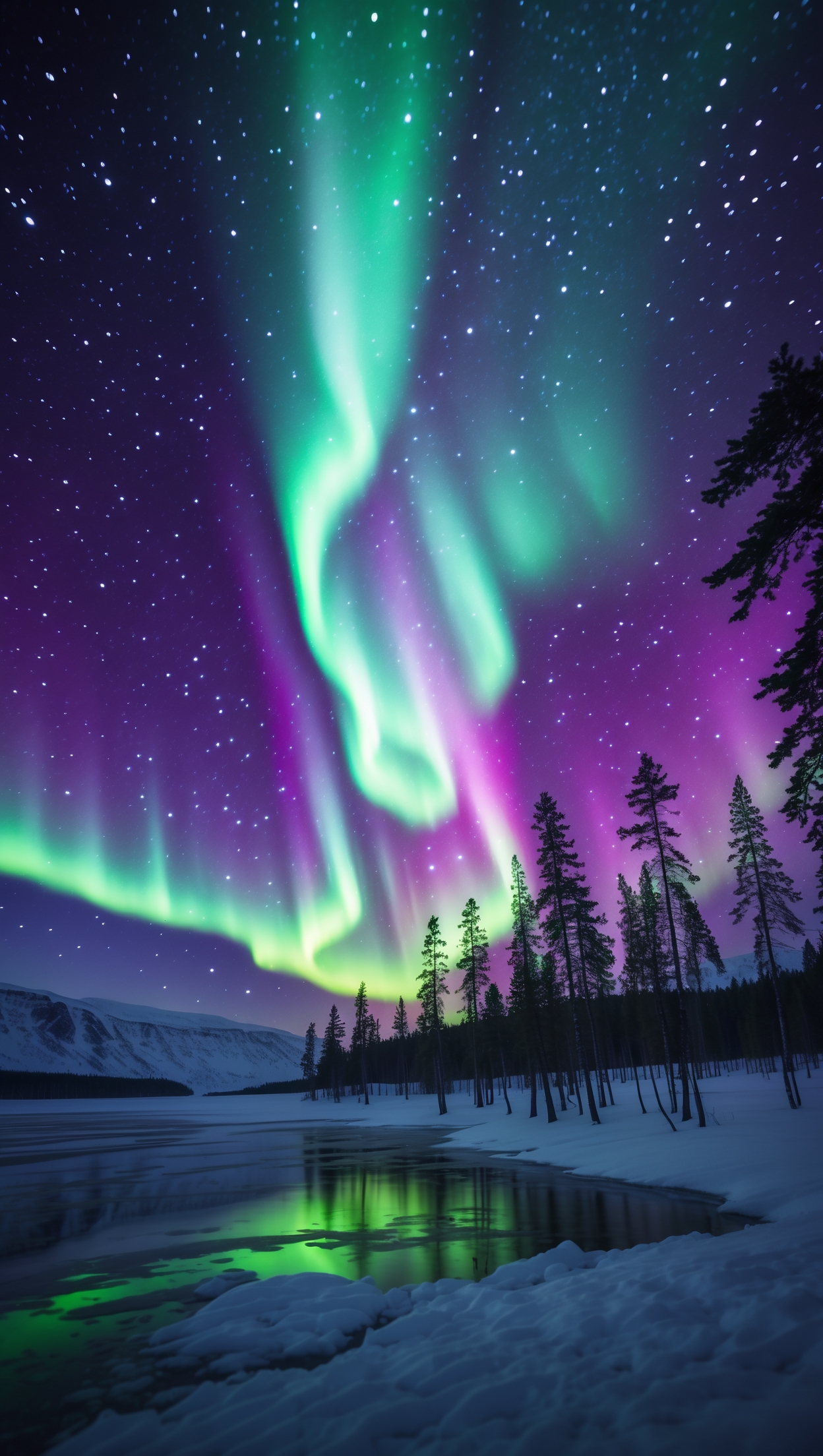
The Magic of European Northern Lights
The Aurora Borealis, commonly known as the Northern Lights, represents one of nature's most spectacular phenomena. Dancing across the dark winter skies of Northern Europe, these ethereal curtains of light offer travelers an unforgettable experience that combines natural wonder with adventure travel.
Europe's northern regions provide some of the world's most accessible and rewarding Northern Lights destinations. From the volcanic landscapes of Iceland to the pristine wilderness of Finnish Lapland, each location offers unique advantages for aurora hunters seeking this celestial display.
Best European Destinations for Northern Lights
Iceland - The Aurora Paradise
Iceland stands as Europe's premier Northern Lights destination, offering dark skies and relatively mild winter temperatures. The country's location just below the Arctic Circle provides optimal viewing conditions from September through March.
Top viewing spots include:
- Reykjavik's surrounding areas for easy access
- Jökulsárlón Glacier Lagoon for dramatic foregrounds
- Westfjords for minimal light pollution
- South Coast black sand beaches for unique compositions
Northern Norway - Above the Arctic Circle
Norway's northern regions, particularly around Tromsø and the Lofoten Islands, offer exceptional Northern Lights viewing. The city of Tromsø, known as the "Northern Lights Capital," provides excellent infrastructure while maintaining access to dark skies.
The polar night period from November to January offers maximum darkness hours, increasing your chances of witnessing spectacular aurora displays.
Finnish Lapland - Glass Igloos and Wilderness
Finland's Lapland region combines Northern Lights viewing with unique accommodation options. Glass igloos and aurora cabins allow visitors to watch the lights from the comfort of heated accommodations.
Rovaniemi, Inari, and Saariselkä provide excellent bases for aurora hunting while offering additional winter activities like reindeer safaris and husky sledding.
Swedish Lapland - The Aurora Zone
Swedish Lapland, particularly around Kiruna and Abisko National Park, offers some of Europe's clearest skies. The Abisko region benefits from a unique microclimate that often provides cloud-free conditions ideal for Northern Lights photography.
Optimal Timing for Northern Lights
Northern Lights season in Europe typically runs from late September through early April, with peak activity occurring during the equinoxes in September-October and February-March.
Key timing factors:
- Dark skies: Essential for visibility, limiting viewing to winter months
- Solar activity: Higher solar activity increases aurora intensity
- Weather conditions: Clear skies are crucial for viewing
- Moon phase: New moon provides darkest skies, while full moon illuminates landscapes
Planning Your Northern Lights Adventure
Successful Northern Lights trips require careful planning and realistic expectations. Aurora activity is unpredictable, making it essential to plan extended stays of at least 5-7 nights to maximize viewing opportunities.
Consider booking guided Northern Lights tours for the best chances of success. Local guides understand weather patterns, optimal viewing locations, and can navigate safely in winter conditions.
Photography Tips for Northern Lights
Capturing the Northern Lights requires specific equipment and techniques:
- DSLR or mirrorless camera with manual controls
- Wide-angle lens for capturing expansive aurora displays
- Sturdy tripod for long exposures
- Extra batteries (cold weather drains power quickly)
- Manual focus settings for sharp infinity focus
Camera settings typically include ISO 1600-3200, apertures of f/2.8-f/4, and exposure times of 8-15 seconds, adjusted based on aurora intensity and movement.
What to Expect During Your Visit
Northern Lights appearances vary dramatically in intensity, duration, and movement. While promotional photos often show vibrant green curtains, actual viewing may reveal subtle glows that intensify gradually.
The naked eye typically perceives aurora as greenish-white movement, while cameras capture the full spectrum of colors including greens, purples, and occasionally reds and blues.
Patience is essential, as aurora displays can last from minutes to hours, often appearing in waves throughout the night. Many successful sightings occur between 9 PM and 2 AM local time.
Europe's Northern Lights destinations offer more than aurora viewing, with each region providing unique cultural experiences, winter activities, and natural wonders that make your journey memorable regardless of aurora activity levels.
Plan your trip with our trusted travel partners: touriDat for curated hotel & experience deals across Europe. Some links are affiliate links.