Reykjavik: Northern Lights & Hot Springs Guide

Reykjavik: Nordlichter & Heiße Quellen

Reykjavik: Northern Lights & Hot Springs Guide

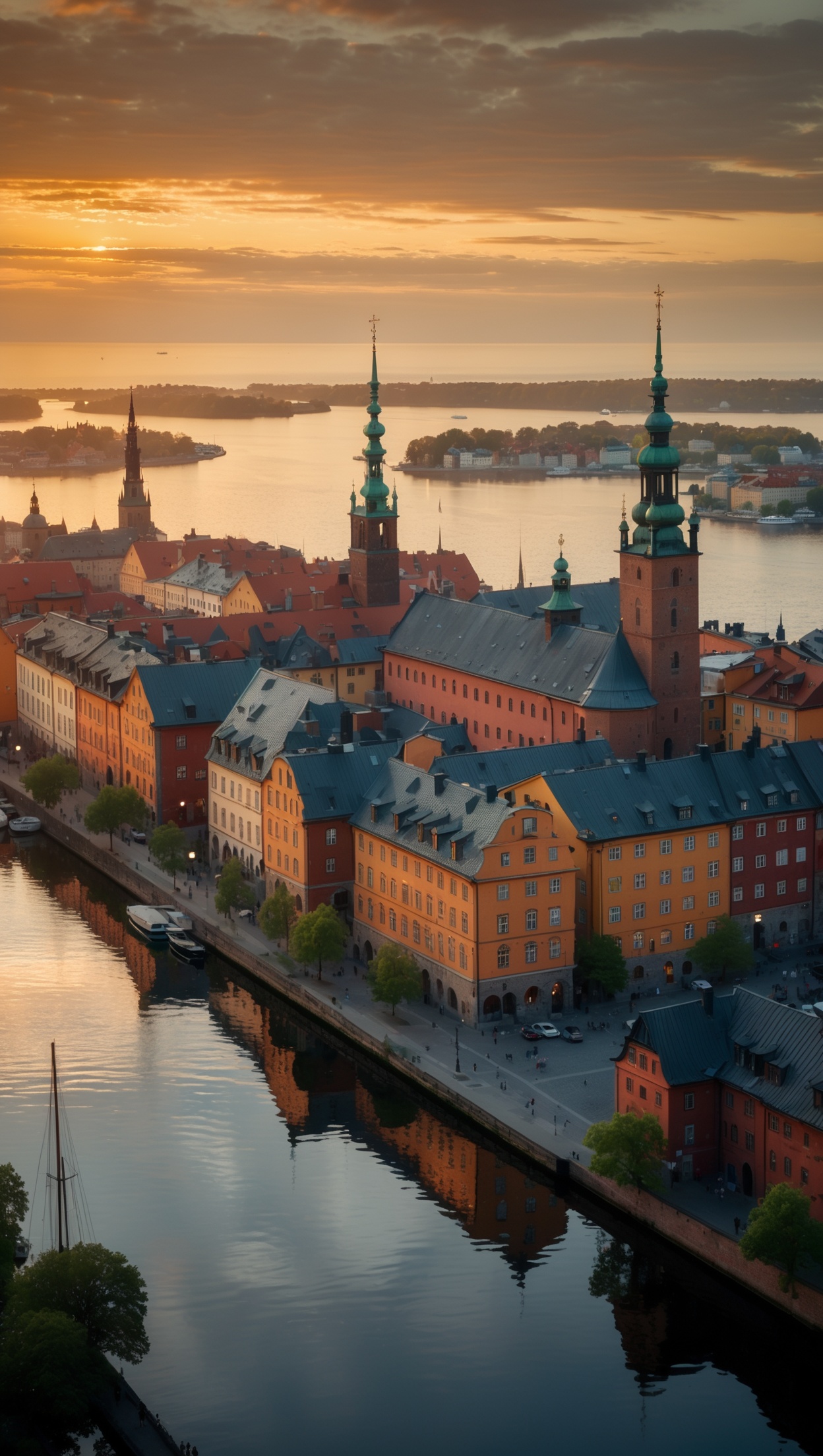
Image: AI-generated · Bild: KI-generiert

🇬🇧 English

Best Things to Do in Reykjavik: Northern Lights and Hot Springs

Reykjavik, the world's northernmost capital, is a city that effortlessly blends raw natural wonder with vibrant urban culture. Whether you're gazing up at curtains of emerald Northern Lights or sinking into the warmth of a geothermal hot spring, Iceland's capital city delivers experiences that stay with you long after you've returned home. This guide covers the best things to do in Reykjavik for first-time visitors and seasoned travellers alike.

Chasing the Northern Lights in and Around Reykjavik

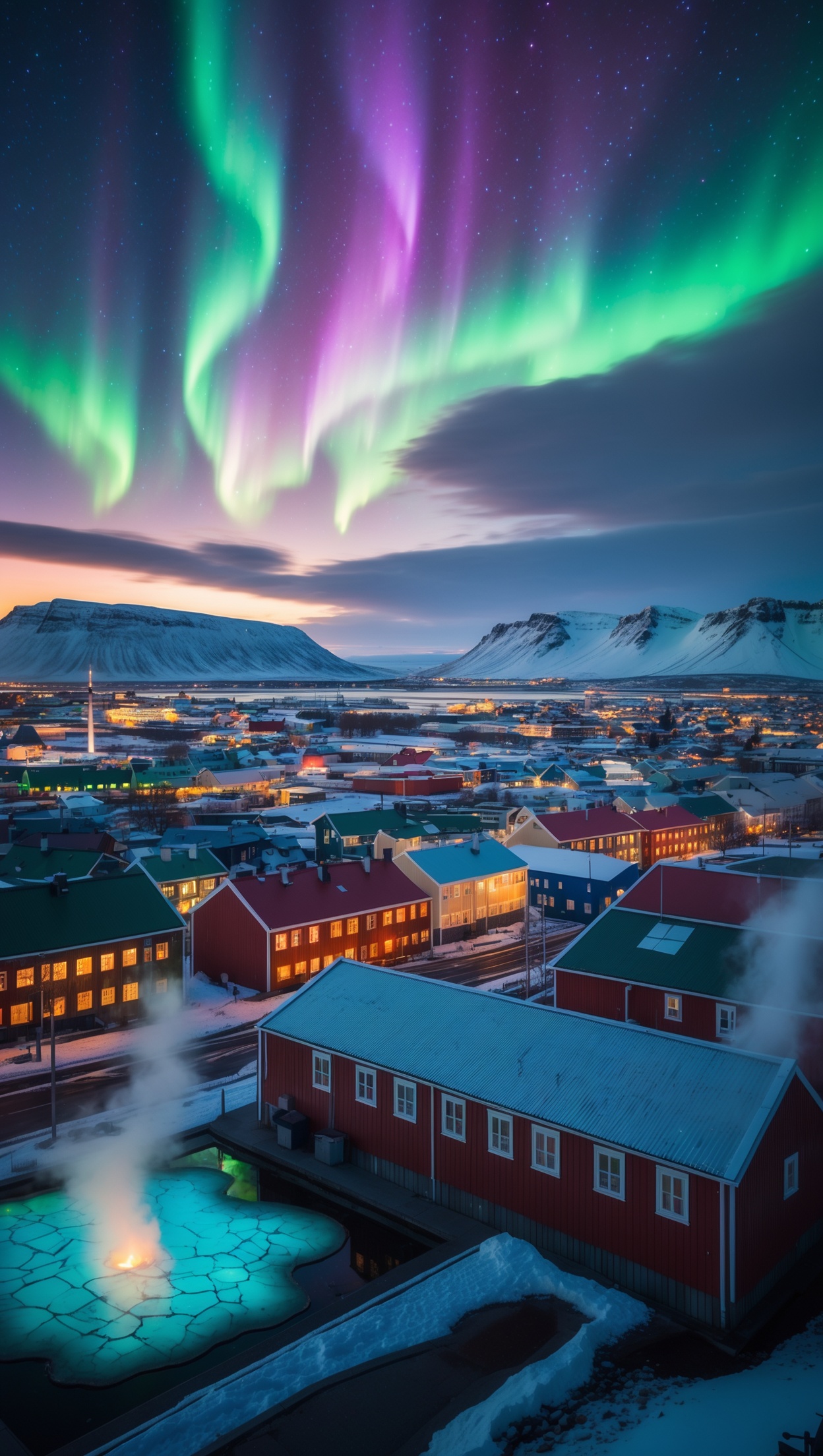
For many visitors, witnessing the Aurora Borealis is the single most compelling reason to travel to Iceland. Reykjavik sits at a prime latitude for Northern Lights viewing, and from late August through April, the skies can erupt in breathtaking waves of green, purple, and pink.

Best Spots to See the Northern Lights Near Reykjavik

  • Grótta Lighthouse: Just a short drive from the city centre, this coastal spot offers minimal light pollution and dramatic ocean backdrops for your aurora photographs.
  • Öskjuhlíð Hill: Elevated and dark enough to catch the lights on clear nights, this hill sits right within the city and is easily accessible.
  • Thingvellir National Park: About 45 minutes from Reykjavik, this UNESCO World Heritage Site is one of the finest aurora viewing locations in all of Iceland.
  • Reykjanes Peninsula: Combining volcanic landscapes with aurora hunting, this peninsula delivers a truly otherworldly experience.

Tips for Northern Lights Success

The Northern Lights are notoriously unpredictable, but a few strategies improve your odds significantly. Always check the Aurora Forecast provided by the Icelandic Met Office — a KP index of 3 or higher gives you a solid chance. Dress in warm, layered clothing, head away from city lights, and be patient. The lights can appear suddenly and vanish within minutes, so stay alert.

Joining a guided Northern Lights tour is a popular and practical option. Experienced guides know the best vantage points and monitor weather patterns in real time, dramatically increasing your chances of a sighting.

Soaking in Reykjavik's Legendary Hot Springs

Iceland sits atop one of the most geothermally active regions on Earth, and Reykjavik's residents have turned this geological gift into a way of life. Hot springs and geothermal pools are central to Icelandic culture — think less tourist attraction, more community hub.

The Blue Lagoon: Iceland's Most Famous Hot Spring

Located about 45 minutes from Reykjavik near Keflavik Airport, the Blue Lagoon is a must-visit geothermal spa. Its milky-blue, mineral-rich waters hover around 37–39°C year-round, making it perfect in any season. The silica and sulphur in the water are said to benefit skin health, and the otherworldly steam-shrouded landscape is simply unforgettable. Book well in advance, as entry slots fill up quickly.

Sky Lagoon: Reykjavik's Newest Luxury Experience

Opened in 2021, Sky Lagoon has quickly become one of Reykjavik's most beloved attractions. Perched on the coastline just minutes from the city, the infinity-edge geothermal pool offers panoramic views of the North Atlantic Ocean. The seven-step Skjól ritual — moving between hot pool, cold plunge, sauna, steam and more — is a deeply relaxing experience rooted in Icelandic bathing traditions.

Laugardalslaug: Where the Locals Go

If you want to experience hot springs the way Icelanders actually do, head to Laugardalslaug, the city's largest public swimming pool. With multiple geothermal hot tubs at varying temperatures, an outdoor swimming pool, a steam room, and a waterslide for families, this is authentic Reykjavik life at its finest — and remarkably affordable.

More Unmissable Experiences in Reykjavik

Hallgrímskirkja Church

The towering Hallgrímskirkja is Reykjavik's most iconic landmark. This striking Lutheran church, designed to resemble Iceland's basalt lava columns, dominates the city skyline. Take the lift to the top of the tower for sweeping 360-degree views over the colourful rooftops and surrounding mountains.

The Golden Circle Day Trip

No visit to Reykjavik is complete without exploring the Golden Circle — a classic 300-kilometre route that loops through three of Iceland's most spectacular natural wonders: Þingvellir National Park, the Geysir geothermal area (where Strokkur erupts every few minutes), and the thundering Gullfoss Waterfall.

Reykjavik's Food and Culture Scene

Reykjavik punches well above its weight when it comes to cuisine and culture. The compact city centre is packed with creative restaurants, cosy coffee shops, and world-class museums. Don't miss the Harpa Concert Hall, a stunning piece of architecture on the harbour, or the National Museum of Iceland for a deep dive into Viking history and Norse heritage.

Best Time to Visit Reykjavik

Reykjavik is a year-round destination, but the experience varies dramatically by season:

  • Winter (October–March): Best for Northern Lights, snow landscapes, and cosy indoor culture. Days are short, but evenings are magical.
  • Summer (June–August): Enjoy the famous Midnight Sun, hiking, whale watching, and vibrant outdoor festivals. No aurora, but endless daylight.
  • Shoulder Season (April–May, September): Fewer crowds, reasonable prices, and a good chance of both aurora sightings and mild outdoor exploration.

Practical Travel Tips for Reykjavik

  • Getting around: Reykjavik is walkable in the centre, but renting a car gives you freedom to explore beyond the city, especially for aurora hunting.
  • Currency: Iceland uses the Icelandic Króna (ISK). Card payments are accepted almost everywhere.
  • Language: Icelandic is the official language, but English is spoken universally by locals.
  • Weather: Pack layers regardless of the season. Icelandic weather is famously changeable — locals say, "If you don't like the weather, wait five minutes."

Final Thoughts

Reykjavik is one of Europe's most extraordinary travel destinations — a city where volcanic forces shape the landscape, where the sky dances with colour on winter nights, and where soaking in a hot spring feels like the most natural thing in the world. Whether you're a first-time visitor or returning for another adventure, this remarkable capital always has something new to reveal. Start planning your Reykjavik journey today and let Iceland's magic work on you.

Plan your trip with our trusted travel partners: touriDat for curated hotel & experience deals across Europe. Some links are affiliate links.
🇩🇪 Deutsch

Dieser Artikel enthält Affiliate-Links (Werbung). Kaufst du darüber, erhalten wir ggf. eine Provision – für dich ohne Mehrkosten.

Die besten Aktivitäten in Reykjavik: Nordlichter und heiße Quellen

Reykjavik, die nördlichste Hauptstadt der Welt, ist eine Stadt, die natürliche Wunder mit lebendiger Stadtkultur auf einzigartige Weise verbindet. Ob du fasziniert unter dem grünen Schleier der Nordlichter stehst oder entspannt in einer geothermalen heißen Quelle versinkst — Islands Hauptstadt bietet Erlebnisse, die dich ein Leben lang begleiten. Dieser Reiseführer stellt dir die besten Aktivitäten in Reykjavik vor, für Erstbesucher und erfahrene Reisende gleichermaßen.

Nordlichter in und um Reykjavik jagen

Für viele Reisende ist das Beobachten der Aurora Borealis der wichtigste Grund für eine Reise nach Island. Reykjavik liegt auf einer idealen geografischen Breite für die Nordlichtbeobachtung, und von Ende August bis April können die Himmel in atemberaubenden Grün-, Lila- und Rosatönen aufleuchten.

Die besten Orte für Nordlichter in der Nähe von Reykjavik

  • Leuchtturm Grótta: Nur wenige Autominuten vom Stadtzentrum entfernt, bietet dieser Küstenstreifen minimale Lichtverschmutzung und dramatische Meereshintergründe für deine Aurorafotos.
  • Öskjuhlíð-Hügel: Erhöht genug und dunkel genug, um in klaren Nächten die Lichter zu sehen — direkt in der Stadt und leicht erreichbar.
  • Thingvellir-Nationalpark: Etwa 45 Minuten von Reykjavik entfernt, ist dieses UNESCO-Weltkulturerbe einer der besten Orte in ganz Island zur Nordlichtbeobachtung.
  • Halbinsel Reykjanes: Vulkanlandschaften kombiniert mit Nordlichtjagd — ein wahrhaft außerirdisches Erlebnis.

Tipps für eine erfolgreiche Nordlichtbeobachtung

Die Nordlichter sind notorisch unberechenbar, doch einige Strategien erhöhen deine Chancen erheblich. Überprüfe stets den Aurora-Forecast des Isländischen Meteorologischen Amts — ein KP-Index von 3 oder höher gibt dir gute Aussichten. Kleide dich warm und in Schichten, entferne dich von Stadtlichtern und bringe Geduld mit. Die Lichter können plötzlich erscheinen und innerhalb von Minuten verschwinden.

Eine geführte Nordlichttour ist eine beliebte und praktische Option. Erfahrene Guides kennen die besten Aussichtspunkte und beobachten Wettermuster in Echtzeit, was deine Chancen auf eine Sichtung deutlich steigert.

Entspannen in Reykjaviks legendären heißen Quellen

Island liegt über einer der geothermisch aktivsten Regionen der Erde, und Reykjaviks Bevölkerung hat dieses geologische Geschenk zu einem festen Bestandteil des Lebens gemacht. Heiße Quellen und Geothermalbäder sind zentraler Bestandteil der isländischen Kultur — weniger Touristenattraktion, mehr Gemeinschaftstreffpunkt.

Die Blaue Lagune: Islands berühmteste heiße Quelle

Etwa 45 Minuten von Reykjavik entfernt, in der Nähe des Flughafens Keflavik, befindet sich die Blaue Lagune — ein unverzichtbares geothermales Spa. Das milchig-blaue, mineralreiche Wasser hält das ganze Jahr über eine Temperatur von 37–39°C, was es in jeder Jahreszeit ideal macht. Das Silizium und der Schwefel im Wasser sollen der Hautgesundheit zugutekommen, und die dampfende, unwirkliche Landschaft ist schlichtweg unvergesslich. Buche rechtzeitig, da Eintrittszeitenslots schnell ausgebucht sind.

Sky Lagoon: Reykjaviks neuestes Luxuserlebnis

2021 eröffnet, hat sich die Sky Lagoon schnell zu einer der beliebtesten Attraktionen Reykjaviks entwickelt. Direkt an der Küste, nur wenige Minuten von der Stadt entfernt, bietet der Infinity-Pool mit Geothermalwasser einen Panoramablick auf den Nordatlantik. Das siebenstufige Skjól-Ritual — von heißem Pool über Kalttauchbecken, Sauna und Dampfbad — ist ein tief entspannendes Erlebnis, verwurzelt in isländischen Badetraditionen.

Laugardalslaug: Wo die Einheimischen schwimmen

Wenn du heiße Quellen so erleben möchtest, wie es die Isländer wirklich tun, besuche Laugardalslaug, das größte öffentliche Schwimmbad der Stadt. Mit mehreren Geothermalbecken in verschiedenen Temperaturen, einem Freibad, einem Dampfbad und einer Wasserrutsche für Familien — das ist authentisches Reykjavik-Leben und erstaunlich erschwinglich.

Weitere unvergessliche Erlebnisse in Reykjavik

Hallgrímskirkja

Die majestätische Hallgrímskirkja ist Reykjaviks bekanntestes Wahrzeichen. Diese beeindruckende lutherische Kirche, gestaltet nach dem Vorbild von Islands Basaltlavakollonnen, dominiert die Stadtsilhouette. Fahre mit dem Aufzug zur Turmspitze und genieße einen 360-Grad-Panoramablick über die bunten Dächer und die umliegenden Berge.

Der Golden Circle Tagesausflug

Kein Besuch in Reykjavik ist vollständig ohne den Golden Circle — eine klassische 300-Kilometer-Route durch drei der spektakulärsten Naturwunder Islands: den Þingvellir-Nationalpark, das geothermale Gebiet Geysir (wo Strokkur alle paar Minuten ausbricht) und den donnernden Gullfoss-Wasserfall.

Reykjaviks Kulinarik und Kulturszene

Reykjavik überrascht mit einer außergewöhnlich vielfältigen Küche und Kulturszene. Das kompakte Stadtzentrum ist voll mit kreativen Restaurants, gemütlichen Kaffeehäusern und erstklassigen Museen. Verpasse nicht die Harpa-Konzerthalle, ein architektonisches Glanzstück am Hafen, oder das Nationalmuseum Islands für einen tiefen Einblick in die Wikingergeschichte und das nordische Erbe.

Die beste Reisezeit für Reykjavik

Reykjavik ist ein Ganzjahresziel, doch das Erlebnis unterscheidet sich je nach Saison erheblich:

  • Winter (Oktober–März): Die beste Zeit für Nordlichter, Schneelandschaften und gemütliche Innenkultur. Die Tage sind kurz, aber die Abende magisch.
  • Sommer (Juni–August): Erlebe die berühmte Mitternachtssonne, Wanderungen, Walbeobachtung und lebhafte Freiluftfestivals. Keine Aurora, dafür endloses Tageslicht.
  • Nebensaison (April–Mai, September): Weniger Touristen, günstigere Preise und gute Chancen auf Nordlichtsichtungen sowie milde Outdoor-Erkundungen.

Praktische Reisetipps für Reykjavik

  • Fortbewegung: Das Zentrum ist gut zu Fuß erkundbar, aber ein Mietwagen gibt dir die Freiheit, die Umgebung zu erkunden — besonders für die Nordlichtjagd.
  • Währung: Island verwendet die Isländische Krone (ISK). Kartenzahlung wird fast überall akzeptiert.
  • Sprache: Isländisch ist die Amtssprache, aber Englisch wird von Einheimischen nahezu universell gesprochen.
  • Wetter: Packe immer Schichten ein, unabhängig von der Jahreszeit. Das isländische Wetter ist berüchtigt wechselhaft — die Isländer sagen: „Wenn dir das Wetter nicht gef

    Plane deine Reise mit unseren vertrauenswürdigen Partnern: touriDat für kuratierte Hotel- & Erlebnis-Deals in ganz Europa. Einige Links sind Affiliate-Links.