Step Back in Time: The Magic of Medieval Walking Tours
There's something truly magical about wandering through narrow cobblestone streets where merchants once traded, knights once rode, and countless stories unfolded over centuries. Historic walking tours through medieval towns offer an unparalleled opportunity to connect with Europe's rich past while experiencing the living heritage that continues to thrive today.
These carefully preserved urban gems transport visitors to an era of Gothic cathedrals, fortified walls, and bustling market squares. Each step reveals architectural marvels, hidden courtyards, and tales of triumph and tragedy that shaped our modern world.
Essential Medieval Towns for Your Walking Adventure
Rothenburg ob der Tauber, Germany
Often called the most perfectly preserved medieval town in Europe, Rothenburg ob der Tauber offers visitors an authentic journey through time. The Night Watchman's Tour provides an entertaining evening walk through dimly lit streets, while daytime explorations reveal the impressive town walls, the Gothic St. Jakob's Church, and the picturesque Market Square with its colorful half-timbered houses.
Carcassonne, France
This UNESCO World Heritage site features Europe's largest fortified city. Walking tours here focus on the double-walled fortifications, 52 towers, and the stunning Basilica of Saints Nazarius and Celsus. The evening illumination creates an almost fairy-tale atmosphere perfect for photography enthusiasts.
Toledo, Spain
Known as the "City of Three Cultures," Toledo showcases a unique blend of Christian, Muslim, and Jewish heritage. Walking tours navigate the maze-like streets to discover the magnificent Cathedral, the Synagogue of Santa María la Blanca, and the Mosque of Cristo de la Luz.
Planning Your Medieval Walking Tour
Best Time to Visit
The ideal seasons for medieval town exploration are late spring through early autumn. May through September offer the most comfortable weather conditions, though shoulder seasons provide fewer crowds and often more atmospheric lighting for photography.
- Spring (April-May): Mild weather, blooming flowers in ancient gardens
- Summer (June-August): Longest days, outdoor events and festivals
- Autumn (September-October): Golden light, harvest celebrations
- Winter (November-March): Atmospheric but dress warmly
What to Bring
Comfortable walking shoes are absolutely essential, as cobblestone streets can be challenging. Pack a lightweight backpack with water, snacks, and a portable phone charger for navigation and photography. Don't forget a rain jacket, as weather can change quickly in historic town centers surrounded by hills or valleys.
Making the Most of Your Historic Walk
Guided vs. Self-Guided Tours
Both options offer unique advantages. Guided tours provide expert historical commentary and access to sites typically closed to the public. Professional guides share fascinating anecdotes and point out architectural details you might otherwise miss.
Self-guided exploration allows you to set your own pace, spend extra time photographing interesting details, and discover hidden corners off the beaten path. Many medieval towns offer excellent audio guide apps or printed walking route maps.
Hidden Gems to Seek Out
While major attractions draw crowds, medieval towns hide countless treasures in plain sight. Look for ancient water wells, carved stone doorways, medieval workshops still operating, and small museums housed in historic buildings. Local artisan shops often occupy spaces that have hosted craftspeople for centuries.
Photography Tips for Medieval Towns
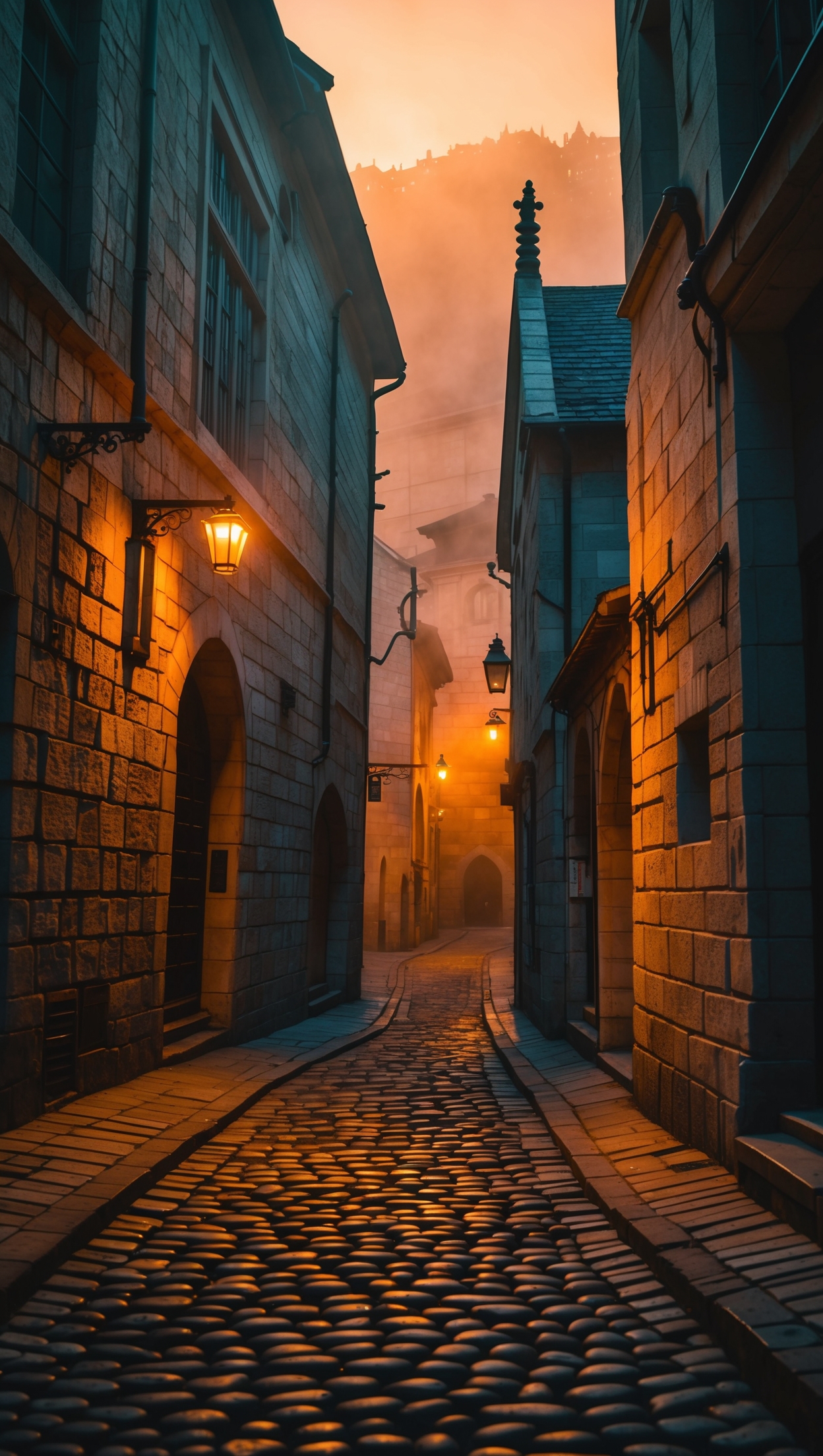
The narrow streets and varying light conditions in medieval towns present unique photography challenges. Early morning and late afternoon provide the best natural lighting, with warm tones enhancing the ancient stone and timber architecture. Experiment with different angles to capture the vertical nature of medieval building design.
Focus on architectural details like carved stone gargoyles, ornate door handles, stained glass windows, and weathered shop signs. These elements tell the story of daily life across the centuries and create compelling visual narratives of your walking tour experience.
Respecting Medieval Heritage
As you explore these living museums, remember that many medieval towns are active communities where people live and work. Respect private property, follow photography guidelines around religious sites, and support local businesses that help preserve these historic environments.
Consider purchasing handmade crafts, dining at family-run restaurants, or staying overnight to fully appreciate the peaceful atmosphere after day-trippers depart. Your thoughtful tourism helps ensure these irreplaceable medieval treasures continue thriving for future generations to discover and enjoy.
Plan your trip with our trusted travel partners: touriDat for curated hotel & experience deals across Europe. Some links are affiliate links.