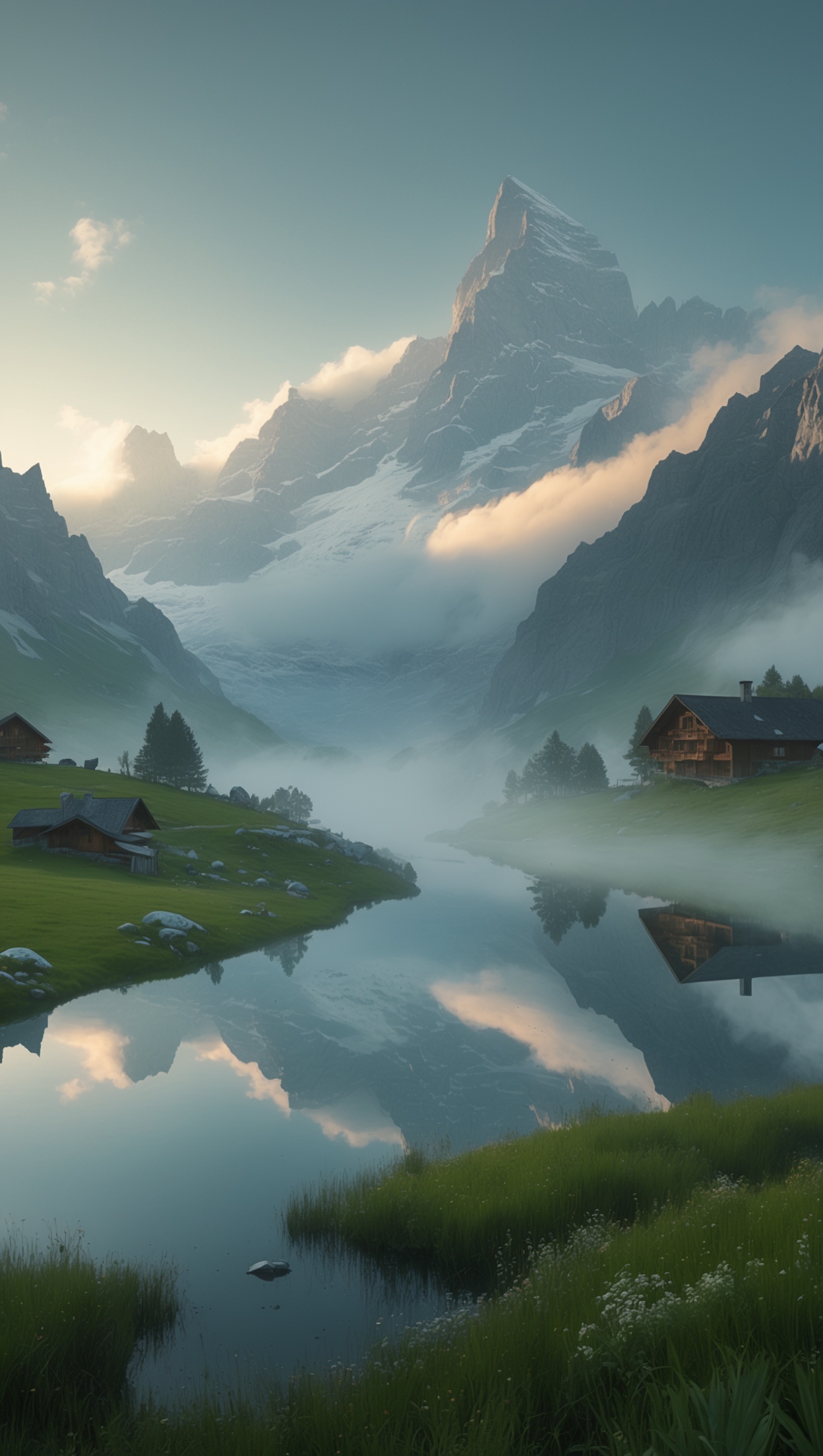
How to Visit the Swiss Alps on a Budget: Your Complete Guide
Switzerland consistently tops the list of Europe's most expensive destinations — but that doesn't mean your dream Alpine adventure has to stay a dream. With the right planning, insider knowledge, and a few clever choices, visiting the Swiss Alps on a budget is absolutely possible. Here's everything you need to know to make it happen without emptying your savings account.
Choose the Right Time to Visit
Timing is everything in Switzerland. The peak seasons — Christmas, February ski holidays, and mid-July through August — come with inflated prices across accommodation, transport, and tourist attractions. For the savviest travellers, the shoulder seasons are the golden window:
- Late May to mid-June: The Alps bloom with wildflowers, cable cars reopen, and crowds are minimal.
- Late September to October: Golden autumn colours, crisp mountain air, and noticeably lower prices everywhere.
Travelling mid-week instead of over weekends also brings down costs significantly, particularly for accommodation and popular mountain railways.
Getting to Switzerland Affordably
Flying into Zurich, Geneva, or Basel is the standard approach — but look beyond the obvious. Budget carriers like EasyJet, Vueling, and Wizz Air frequently serve Swiss airports at a fraction of the cost of major carriers. Setting fare alerts weeks in advance can save you hundreds.
Consider also flying into nearby cities — Milan Malpensa, Lyon, or Munich — and taking a train or bus into Switzerland. Rail connections from these hubs are scenic, efficient, and often surprisingly affordable when booked early.
Getting a SIM Card for Seamless Navigation
Navigating remote Alpine villages and mountain trails without reliable data can quickly become stressful. A travel SIM designed for the DACH region makes a real difference. travSIM DACH offers affordable data plans specifically tailored for travellers in Germany, Austria, and Switzerland, ensuring you stay connected whether you're tracking hiking routes or finding the nearest budget supermarket. Pick up your plan through travSIM DACH before you leave home to avoid roaming surprises.
Budget Accommodation in the Swiss Alps
Accommodation is where most travellers overspend in Switzerland. The good news? There are genuinely affordable options if you know where to look.
Hostels and Mountain Huts
Switzerland has an excellent network of Swiss Youth Hostels (SJH) — clean, well-located, and a fraction of the cost of hotels. Many sit directly in the Alps, offering jaw-dropping views without the jaw-dropping price tag. Mountain huts (Berghütten) operated by the Swiss Alpine Club (SAC) are another fantastic option for hikers, often costing as little as CHF 35–55 per night including dinner and breakfast.
Book Smart with Touridat
For those who prefer a private room or small hotel, booking through touriDat can unlock significant savings. Touridat specialises in curated travel deals and hotel packages — including Swiss Alpine destinations — often at rates well below standard booking platforms. Browse the latest Alpine offers on touriDat and filter by your budget to find genuinely good value stays in towns like Interlaken, Grindelwald, Zermatt, and Lauterbrunnen.
Consider Staying in the Valley
Resort towns like Zermatt and Verbier carry premium price tags. A clever budget hack is to stay in a nearby valley town — Visp for the Zermatt region or Aigle for the Vaud Alps — and commute by train. You'll pay a fraction of the resort accommodation price while still accessing all the mountain magic.
Save on Transport with Swiss Travel Passes
Switzerland's public transport system is world-class — and it doesn't have to cost a fortune if you plan ahead. The Swiss Travel Pass gives unlimited travel on trains, buses, and boats across the entire network, plus free entry to over 500 museums. For a multi-day Alpine trip, this pass often pays for itself within the first two days of travel.
- Swiss Travel Pass Flex: Pay only for the days you actually travel — ideal for slow travellers.
- Half Fare Card (Halbtax): If you're staying longer than a week, this card halves the cost of almost every ticket in Switzerland.
- Day passes and regional passes: The Jungfrau Travel Pass and Bernese Oberland Regional Pass offer great value for exploring specific Alpine areas.
Free and Low-Cost Activities in the Swiss Alps
Some of the best Swiss Alpine experiences cost absolutely nothing. Don't let the high-ticket gondolas and mountain railways fool you into thinking everything comes at a price.
Hiking the Alpine Trails
Switzerland has over 65,000 kilometres of marked hiking trails — all free to use. Routes range from leisurely valley walks to demanding summit treks. The famous Panoramaweg above Mürren, the Five Lakes Walk near Zermatt, and the Aletsch Panorama Trail are among the most breathtaking — and they cost nothing to walk.
Free Mountain Views Without the Cable Car
Many of the Alps' most iconic viewpoints are reachable on foot without paying for a gondola. The Männlichen plateau above Grindelwald offers panoramic views of the Eiger, Mönch, and Jungfrau from a hike that starts at the valley floor. Similarly, the walk up to Gornergrat viewpoints near Zermatt can be done partially on foot to save on railway costs.
Lakes, Waterfalls, and Village Wandering
The Trümmelbach Falls near Lauterbrunnen (small entry fee), the turquoise waters of Lake Oeschinen accessible partly on foot, and the timeless beauty of villages like Appenzell, Gruyères, and Saas-Fee offer extraordinary experiences that cost little to nothing.
Eating Well Without Spending a Fortune
Swiss restaurant prices can be shocking for first-time visitors. A main course in a tourist-area restaurant can easily cost CHF 25–40. Here's how to eat well on a budget:
- Shop at Migros or Aldi: Swiss supermarkets offer excellent ready-made meals, fresh bread, cheese, and cold cuts — perfect for Alpine picnics.
- Lunch over dinner: Many Swiss restaurants offer a Tagesmenü (daily lunch special) for CHF 15–18 — far cheaper than their evening menus.
- Self-catering accommodation: Choosing a hostel or apartment with kitchen access dramatically cuts food costs over a longer stay.
- Fondue for groups: Shared dishes like fondue or raclette become surprisingly affordable when split between friends.
Budget Planning: Realistic Daily Costs
As a rough guide, a budget-conscious traveller can explore the Swiss Alps for approximately CHF 80–120 per day by staying in hostels or mountain huts, self-catering for most meals, using a travel pass, and sticking to free outdoor activities. Upgrading to private rooms and a restaurant dinner or two per day pushes this to CHF 150–200 — still very manageable with the right deals, especially when booking through platforms like touriDat.
Final Tips for Alpine Budget Travel
- Always carry cash — some mountain huts and small village shops don't accept cards.
- Download the SBB app for real-time Swiss train schedules and last-minute ticket deals.
- Check if your accommodation offers a guest card — many Alpine towns give visitors free or discounted transport within the region.
- Travel light — luggage storage fees at Swiss train stations add up quickly.
- Stay connected on the go with a reliable data plan from travSIM DACH so you never miss a trail junction or a last-minute deal.
The Swiss Alps are extraordinary — and with thoughtful planning, they're far more accessible than their reputation suggests. Start planning smart, book early through touriDat, stay connected with travSIM DACH, and let the mountains do the rest. Your Alpine adventure is closer than you think.
Plan your trip with our trusted travel partners: touriDat for curated hotel & experience deals across Europe. Some links are affiliate links.