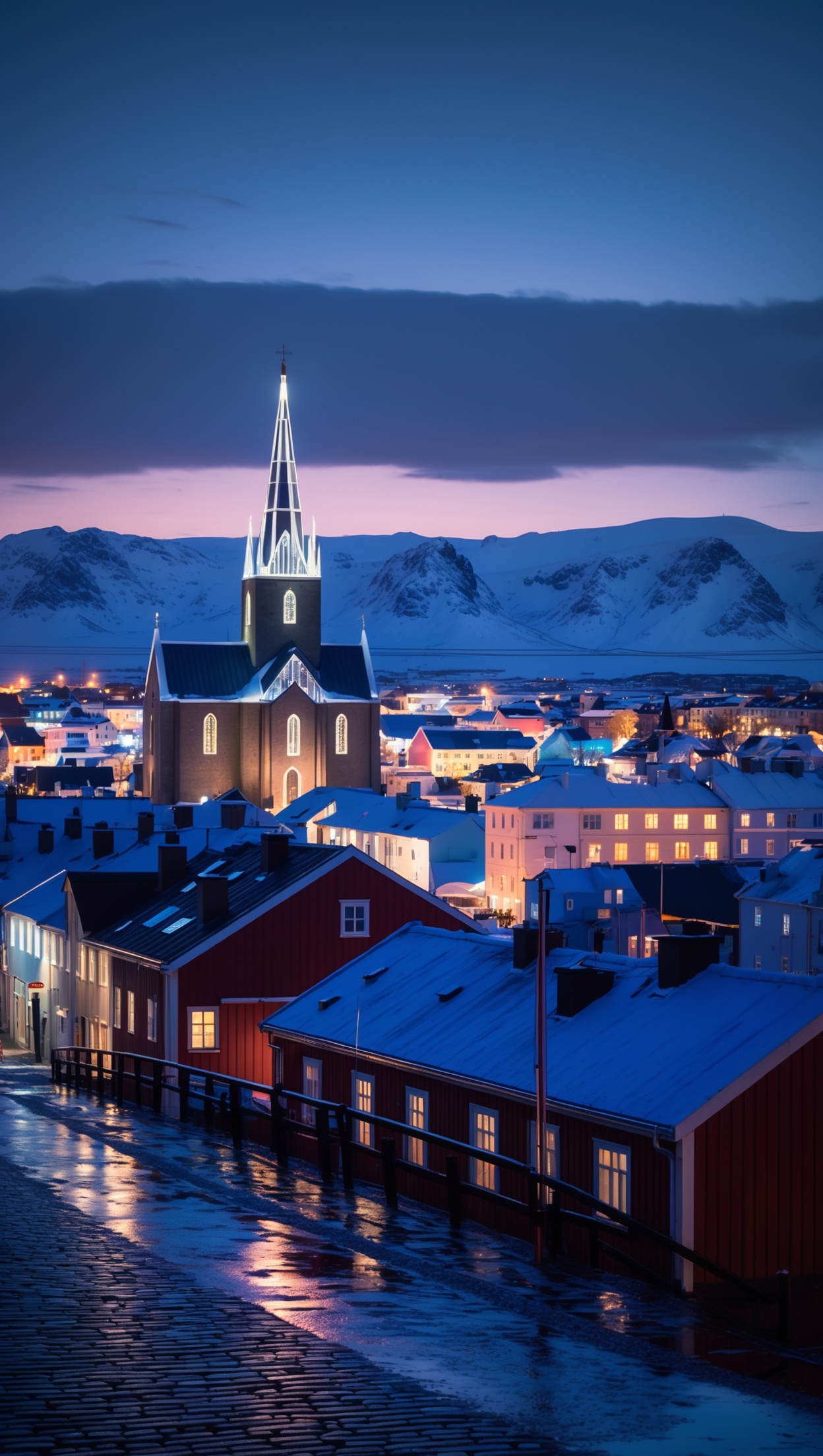
Reykjavik Travel Guide: Everything You Need to Know
Reykjavik is unlike any city on Earth. Perched on the edge of the Arctic, Iceland's compact and colourful capital blends Viking heritage with cutting-edge design, geothermal wonders with world-class cuisine, and jaw-dropping natural scenery with a buzzing creative scene. Whether you're chasing the Northern Lights, soaking in a hot spring, or bar-hopping through the weekend nightlife, Reykjavik delivers on every front. This guide covers everything you need to plan an unforgettable visit.
Why Visit Reykjavik?
With a population of just over 130,000, Reykjavik is the world's northernmost capital — and arguably one of its most fascinating. Despite its small size, the city punches well above its weight in culture, cuisine, and character. Here's why travellers keep coming back:
- Incredible natural access: Day trips to glaciers, geysers, and volcanic landscapes are easy from the city.
- Unique architecture: From the towering Hallgrímskirkja to the Harpa Concert Hall, the skyline is deeply photogenic.
- Sustainability focus: Reykjavik runs almost entirely on renewable energy — a model city for eco-conscious travellers.
- Safe and welcoming: Iceland consistently ranks among the world's safest and most peaceful countries.
- Vibrant culture: Year-round festivals, a legendary music scene, and a thriving arts community make every visit feel alive.
Top Attractions in Reykjavik
Hallgrímskirkja Church
No visit to Reykjavik is complete without seeing Hallgrímskirkja, the city's iconic Lutheran church that dominates the skyline. The expressionist concrete structure took over 40 years to build and stands 74.5 metres tall. Take the lift to the top for sweeping panoramic views across the city and the surrounding mountains. Entrance to the tower costs a small fee but is absolutely worth it.
The Old Harbour (Grandi)
The waterfront Grandi district has transformed from a working fishing harbour into one of Reykjavik's hippest neighbourhoods. Explore the Whales of Iceland museum, sample fresh langoustine soup at the harbour stalls, or browse the indie boutiques and design studios that line the streets. It's a perfect half-day wander.
Harpa Concert Hall
The glass-and-steel Harpa Concert Hall is a striking piece of architecture on the waterfront. Designed by Henning Larsen Architects with a geometric facade by artist Olafur Eliasson, it hosts world-class music and theatre performances. Even if you don't catch a show, the building is worth exploring inside and out — especially at night when it glows with colour.
The Sun Voyager Sculpture
A short stroll along the seafront promenade brings you to Sólfar, the Sun Voyager — a dreamboat-like steel sculpture by Jón Gunnar Árnason. With Mount Esja as its backdrop and the North Atlantic stretching endlessly ahead, it's one of Reykjavik's most photographed spots and genuinely moving in person.
Laugavegur Street
Reykjavik's main shopping and dining street, Laugavegur, is the heartbeat of the city. Lined with independent boutiques, vintage shops, cafés, and restaurants, it's the best place to soak up the local atmosphere. Start from Hlemmur Food Hall at one end and meander toward the old town, stopping as often as you like.
Day Trips from Reykjavik
Reykjavik's greatest superpower is its proximity to Iceland's epic natural wonders. The Golden Circle — covering Þingvellir National Park, the Geysir geothermal area, and Gullfoss waterfall — is the classic full-day trip and can be done independently or on a guided tour. The South Coast route takes in black sand beaches, towering waterfalls like Seljalandsfoss and Skógafoss, and even the edge of a glacier. Both are unmissable.
- Golden Circle: 300 km loop, best done in a full day.
- Blue Lagoon: 45 minutes from the city — book in advance, always.
- South Coast: Black sand beaches, waterfalls, and glaciers.
- Snæfellsnes Peninsula: A mini Iceland in a day — volcanoes, lava fields, and fishing villages.
Where to Stay in Reykjavik
Accommodation in Reykjavik ranges from cosy guesthouses to design-forward boutique hotels. The best areas to stay are around Laugavegur for central access to everything, or the Old Harbour for a more atmospheric, quieter stay. Budget travellers will find solid hostel options, while those looking for luxury have several high-end options near the city centre.
For the best hotel deals and availability in Reykjavik, book your stay through touriDat — you'll find curated hotel options with exclusive rates that suit every budget and travel style. Whether you're after a boutique design hotel or a comfortable guesthouse, touriDat makes finding and booking easy.
Getting Connected: SIM Cards & Data in Iceland
Staying connected in Iceland is essential, especially if you're planning self-drive day trips or navigating remote landscapes. Pick up a travel SIM before you arrive through TravSim travSIM DACH — a convenient solution for DACH-region travellers that ensures you have data coverage from the moment you land. With travSIM DACH, you won't need to hunt for a local SIM at Keflavik Airport or overpay for roaming charges.
Eating & Drinking in Reykjavik
Reykjavik's food scene has exploded in recent years. Here's what you should not miss:
- Skyr: Iceland's thick, protein-rich dairy product — eat it for breakfast or as a snack.
- Plokkfiskur: A traditional Icelandic fish stew, hearty and deeply comforting.
- Langoustine soup: Especially good at the harbour stalls.
- Hot dogs at Bæjarins Beztu: The most famous hot dog stand in the world — yes, really.
- Craft beer: Iceland's microbrewery scene is thriving. Try Kaldi or Borg Brugghús.
For coffee culture, head to Reykjavik Roasters or Kaffitár — both beloved local institutions. Dining out is expensive by most standards, so budget travellers may want to self-cater for some meals.
When to Visit Reykjavik
Reykjavik is a year-round destination, but each season offers a very different experience:
- Summer (June–August): Endless daylight, the Midnight Sun, outdoor festivals, and the best weather for hiking.
- Autumn (September–October): Fewer crowds, dramatic skies, and the first chances to see the Northern Lights.
- Winter (November–February): Northern Lights season, festive Christmas markets, and cosy indoor culture.
- Spring (March–May): Quieter, shoulder-season pricing, and increasingly long days.
Practical Tips for Visiting Reykjavik
- Currency: Iceland uses the Króna (ISK). Credit cards are accepted almost everywhere.
- Tipping: Not customary in Iceland — service is included in most prices.
- Language: Icelandic is the official language, but English is widely spoken.
- Getting around: The city is walkable, but renting a car is ideal for day trips.
- Reykjavik City Card: Offers free museum entry and public transport — worth it for a multi-day stay.
Final Thoughts
Reykjavik is one of those rare cities that genuinely surprises you. It's small enough to feel intimate, yet big enough to keep you busy for a week. The raw natural beauty on its doorstep is simply unparalleled anywhere else in Europe. Plan ahead, pack layers, and embrace the unexpected — that's the Reykjavik way. And when you're ready to book, remember to check the latest hotel deals on touriDat and sort your data plan with travSIM DACH before you fly.
Safe travels, and welcome to the edge of the world.
Plan your trip with our trusted travel partners: touriDat for curated hotel & experience deals across Europe. Some links are affiliate links.