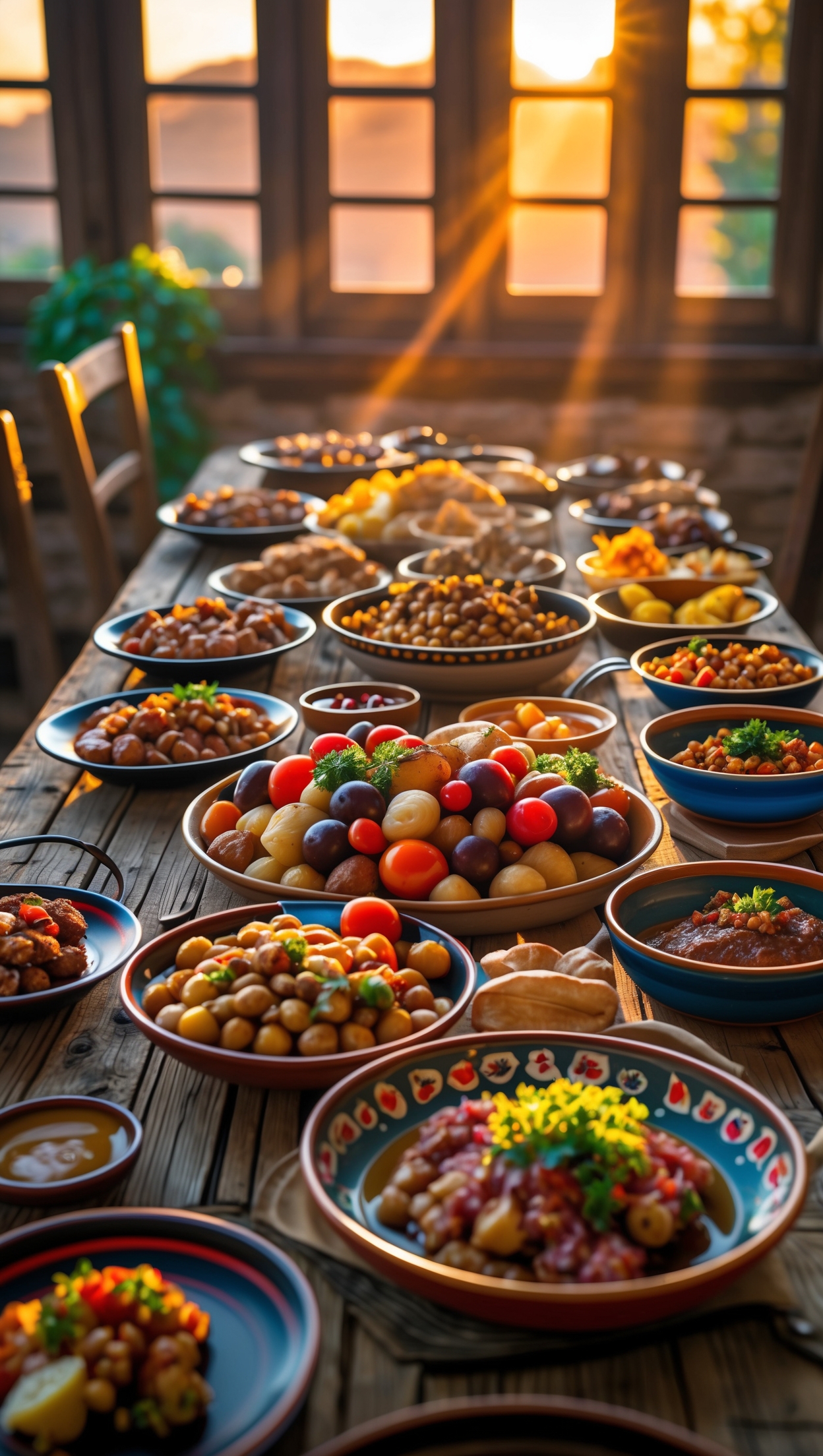
The Balkans offer one of Europe's most diverse and flavorful culinary landscapes, where centuries of cultural exchange have created a unique gastronomic identity. From the Mediterranean influences along the coast to the hearty mountain fare inland, traditional Balkan cuisine tells the story of a region shaped by Ottoman, Austro-Hungarian, and Mediterranean traditions.
Hearty Meat Dishes That Define the Region
Ćevapi stands as perhaps the most iconic Balkan dish, consisting of small grilled meat sausages traditionally served with flatbread, chopped onions, and a dollop of kajmak (creamy dairy spread). Each country claims its own variation, from the Bosnian version served with somun bread to the Serbian style accompanied by lepinja.
Pljeskavica, often called the "Balkan burger," is a large grilled patty made from a mixture of beef, lamb, and pork. This substantial dish comes topped with various ingredients including cheese, kajmak, and roasted peppers, creating a meal that's both satisfying and deeply flavorful.
Savory Pastries and Baked Specialties
Burek represents the pinnacle of Balkan pastry craftsmanship. This flaky phyllo dough creation can be filled with meat, cheese, spinach, or potatoes. The spiral-shaped börek is particularly popular, and locals often debate the merits of different regional preparations and fillings.
Gibanica showcases the region's mastery of layered pastries, combining thin pastry sheets with cheese, eggs, and milk to create a creamy, comforting dish that's perfect for breakfast or as a light meal throughout the day.
Soups and Stews for Every Season
Čorba encompasses various hearty soups found throughout the Balkans. Fish čorba from the Danube region features freshwater fish in a paprika-rich broth, while wedding soup (wedding čorba) combines various meats and vegetables for special celebrations.
Goulash reflects the Austro-Hungarian influence, particularly in northern regions. This paprika-seasoned stew varies from thin, soup-like versions to thick, hearty preparations served with bread or dumplings.
Sweet Endings and Traditional Desserts
Baklava demonstrates the Ottoman influence on Balkan sweets, with layers of phyllo pastry, nuts, and honey syrup creating an indulgent treat. Local variations might include different nuts or slight changes in the syrup preparation.
Palačinke are thin crepes that can be filled with sweet or savory ingredients. Popular sweet versions include jam, chocolate, or ground walnuts with sugar, while savory options might feature cheese or ham.
Dairy Delights and Regional Specialties
Kajmak is a rich, creamy dairy product somewhere between clotted cream and soft cheese. This versatile accompaniment enhances everything from grilled meats to fresh bread, and its production methods have been passed down through generations.
Ajvar is a beloved pepper-based relish that appears on virtually every Balkan table. Made from roasted red peppers, eggplant, and garlic, this "vegetarian caviar" adds depth and smoky flavor to countless dishes.
Experiencing Authentic Balkan Cuisine
To truly appreciate these traditional foods, seek out family-run restaurants and local establishments where recipes have been preserved for generations. Many dishes require time-intensive preparation methods that reflect the region's agricultural heritage and community-centered food culture.
The best Balkan dining experiences often happen in traditional tavernas, where the atmosphere is as important as the food. These gathering places foster the social aspect of dining that's central to Balkan culture, where meals are meant to be shared and savored slowly among friends and family.
Whether you're exploring the coastal regions with their seafood specialties or venturing into mountain villages known for their hearty stews, the traditional foods of the Balkans offer an authentic taste of this culturally rich region that will leave lasting memories long after your journey ends.
Plan your trip with our trusted travel partners: touriDat for curated hotel & experience deals across Europe. Some links are affiliate links.