This article contains affiliate links. If you buy through them, we may earn a commission at no extra cost to you.
Kyoto Travel Guide: Everything You Need to Know
Kyoto is Japan at its most timeless. Once the imperial capital for over a thousand years, this city of 1.5 million people manages to feel like a living museum — yet never a dusty one. Whether you're chasing cherry blossoms in spring, fiery maples in autumn, or the quiet hush of a snow-dusted temple in winter, Kyoto delivers on every visit. This complete travel guide covers everything you need to plan your perfect trip, from the best neighbourhoods to eat in, to booking your tours through GoWithGuide.
When to Visit Kyoto
Kyoto is a year-round destination, but timing your visit can make a dramatic difference in your experience.
- Spring (March–May): The most iconic season. Cherry blossoms typically peak in late March to early April. Crowds are heavy, but the scenery is unmatched.
- Summer (June–August): Hot and humid, but home to stunning festivals like Gion Matsuri in July — one of Japan's most famous celebrations.
- Autumn (September–November): Arguably the best time to visit. Maple foliage turns vivid red and orange from mid-November, creating postcard-perfect scenes at temples across the city.
- Winter (December–February): The quietest season. Snow-dusted temples and far fewer tourists make for a magical, intimate experience.
Top Attractions in Kyoto
Fushimi Inari Taisha
No visit to Kyoto is complete without walking through the thousands of vermillion torii gates that wind up Mount Inari. Go early — by 7am — to beat the crowds and experience something truly spiritual. The full hike to the summit takes about two hours and rewards you with panoramic views over the city.
Arashiyama Bamboo Grove
A short train ride west of central Kyoto, Arashiyama is home to the famous bamboo grove, the scenic Togetsukyo Bridge, and the enchanting Tenryu-ji Garden — a UNESCO World Heritage Site. Rent a rickshaw or simply wander on foot through one of Japan's most photogenic landscapes.
Kinkaku-ji (The Golden Pavilion)
The three-storey zen temple covered in gold leaf is one of Japan's most recognisable icons. Visit on a clear morning when the pavilion reflects perfectly in the surrounding pond. Admission is ¥500 and the site is open daily.
Gion District
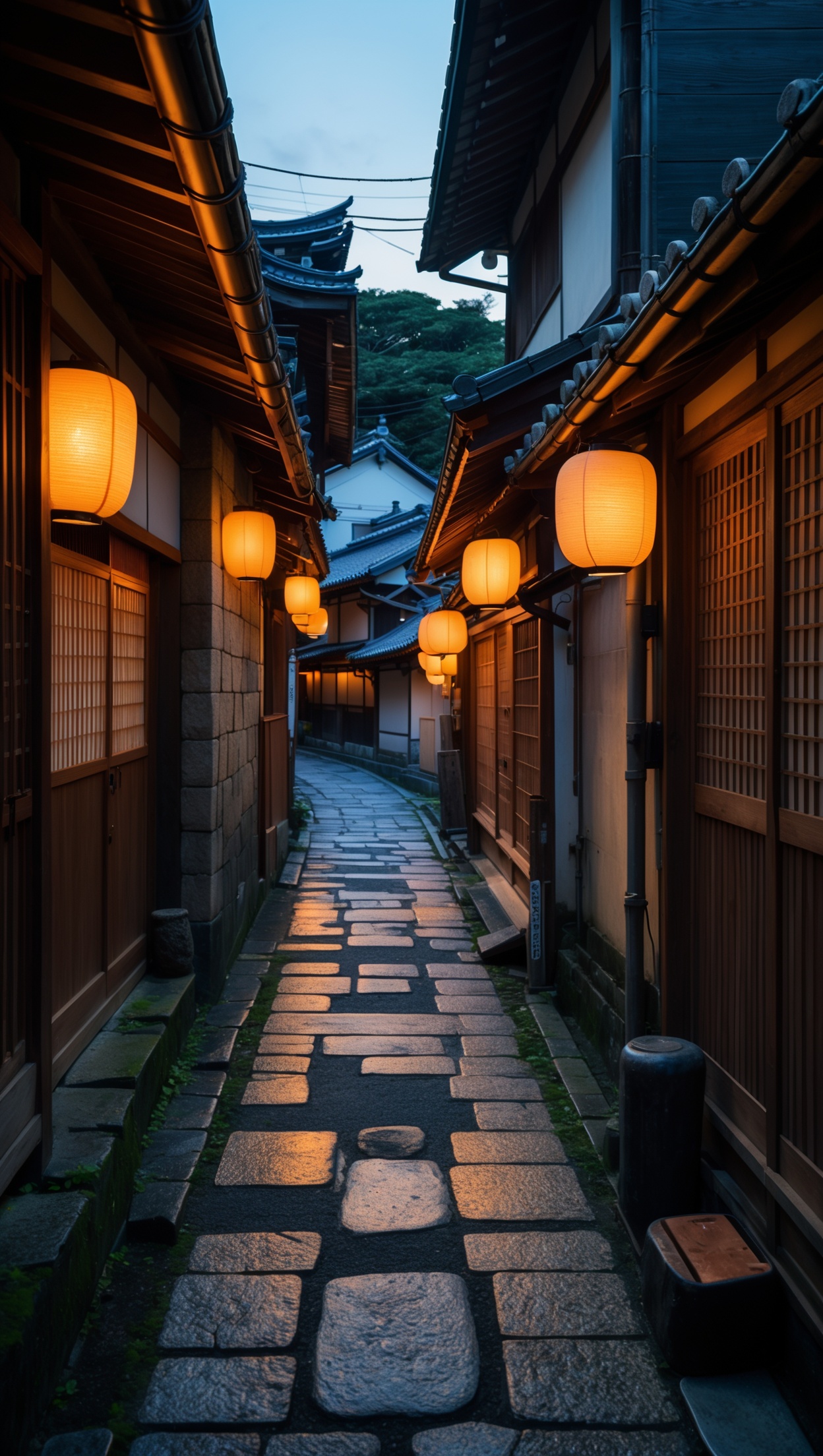
Kyoto's most atmospheric neighbourhood, Gion is the city's historic geisha district. Stroll along Hanamikoji Street in the early evening for your best chance of spotting a maiko (apprentice geisha) gliding between appointments. The wooden machiya townhouses lining these lantern-lit lanes are unlike anywhere else on earth.
Philosopher's Path
A two-kilometre canal-side walking path lined with cherry trees, connecting Nanzen-ji to Ginkaku-ji (the Silver Pavilion). In spring it is overwhelmingly beautiful. Along the way, stop into independent cafés, pottery studios, and small shrines tucked between the trees.
How to Get Around Kyoto
Kyoto's public transport system is reliable and visitor-friendly:
- Buses: The most flexible way to reach major temples. Day passes (¥700) offer unlimited travel and are excellent value.
- Subway: Two lines — the Karasuma Line and Tozai Line — connect key areas efficiently.
- Bicycle: Kyoto is extremely cycle-friendly. Hire a bike for the day and explore at your own pace — highly recommended.
- Taxi: Readily available and metered, though can be expensive during peak season.
If you're arriving from Tokyo, the Shinkansen (bullet train) from Tokyo Station to Kyoto Station takes just under 2.5 hours on the Nozomi service.
Where to Stay in Kyoto
Kyoto offers a remarkable range of accommodation, from ultra-modern hotels to traditional machiya townhouse rentals and genuine ryokan (Japanese inns). Staying in a ryokan — with tatami rooms, yukata robes, and a multi-course kaiseki dinner — is one of the great travel experiences in the world.
For the best selection of hotels, ryokan, and guesthouses at competitive rates, book through touriDat. Whether you want a budget guesthouse near Kyoto Station or a luxury ryokan in the hills of Higashiyama, touriDat makes it easy to compare and book with confidence.
Best Neighbourhoods to Stay
- Higashiyama: Best for atmosphere and proximity to major temples. Slightly pricier but incomparable for evening walks.
- Kyoto Station Area: Best for transport links, budget options, and convenience if you're making day trips.
- Gion: Perfect for experiencing traditional Kyoto life, excellent restaurants, and easy access to highlights.
- Arashiyama: Ideal if you want a quieter, nature-focused stay away from the city centre.
Food & Drink in Kyoto
Kyoto cuisine — known as Kyo-ryori — is celebrated across Japan for its elegance, seasonality, and balance. Key dishes to try include:
- Kaiseki: A multi-course tasting menu that is the pinnacle of Japanese fine dining. Even a modest kaiseki meal is a cultural experience worth the price.
- Tofu dishes: Kyoto is Japan's tofu capital. Silken yudofu (simmered tofu) served in broth is a revelation.
- Matcha everything: From matcha soba to matcha parfaits, the city runs on green tea. Uji, just south of Kyoto, is the country's most famous matcha-growing region.
- Obanzai: Traditional Kyoto home cooking — small seasonal dishes served tapas-style, best found in the covered Nishiki Market.
For food tours, sake tastings, and immersive cultural experiences with local guides, book through GoWithGuide. Their platform connects you with vetted private guides who know Kyoto's food scene intimately — a game-changer for serious food travellers.
Guided Tours vs. Exploring Solo
Kyoto rewards both independent exploration and guided experiences. If you want deep cultural context — understanding the symbolism of a temple's architecture, the history behind a geisha district, or the etiquette of a tea ceremony — a private guide is invaluable. GoWithGuide offers flexible, customisable private tours led by passionate local experts. You set the itinerary; they provide the knowledge.
Practical Tips for Visiting Kyoto
- Book accommodation early: Especially for cherry blossom and autumn foliage seasons, rooms sell out months in advance. Use touriDat to lock in your stay as early as possible.
- Respect temple etiquette: Dress modestly, lower your voice, and never touch sacred objects or structures.
- Get an IC card: A Suica or ICOCA card lets you pay for buses, trains, and even convenience store purchases seamlessly.
- Visit popular sites early or late: Fushimi Inari, Arashiyama, and Kinkaku-ji are best at dawn or after 5pm when day-trippers have gone.
- Pack comfortable shoes: You will walk. A lot. Cobblestones, temple steps, and forest paths are all part of the Kyoto experience.
- Download Google Maps offline: WiFi is widely available, but having offline maps is a genuine lifesaver in quieter neighbourhoods.
Final Thoughts
Kyoto is not just a destination — it is an experience that stays with you long after you've left. Few cities on earth offer this depth of history, natural beauty, culinary excellence, and living cultural tradition all in one place. Go slowly. Wander down alleys with no particular destination. Sit in a garden and let the silence do its work.
When you're ready to plan your trip, find your perfect accommodation through touriDat and book your private guided experiences through GoWithGuide. Kyoto is waiting.
Plan your trip with our trusted travel partners: touriDat for curated hotel & experience deals across Europe. Some links are affiliate links.